
Vandaag of morgen in huis

Kwaliteit gegarandeerd

Welkomstaanbiedingen ontgrendelen: GRATIS bezorging | Tot 80% korting | Gratis 30 dagen JoyPlus-proefperiode
Download de app
Buying a Korean facial cleanser seems simple, until you have to choose between a cleansing foam, gel cleanser, cleansing oil or a product containing BHA. Marketing copy often promises deep cleansing, smaller pores or calmer-looking skin. Such claims are not automatically a guarantee for your skin. Always look at the formula, how to use it and the safety information first.
A richly foaming cleansing foam can remove excess sebum and dirt, but a tight feeling after washing does not mean your skin has been cleansed more effectively. Over-cleansing can feel uncomfortable, especially if you have sensitive or combination skin.
A mild facial cleanser with a gel texture is often more practical for daily use. Do check the ingredients list and directions for use. A low pH can be a useful indication, but the exact pH of a product is not always stated.
A facial cleanser is usually massaged into the skin briefly and then rinsed off. So do not expect it to work in the same way as a leave-on product. Acids such as BHA are sometimes used to cleanse pores and remove blackheads. A BHA exfoliant generally stays on the skin and should be introduced gradually and carefully.
According to the brand’s own research, the salicylic acid in BHA Blackhead Power Liquid is intended to target sebum and dead skin cells in pores. This is a brand claim, not a guaranteed result for every user. Use the product according to the label and do not combine several exfoliants straight away.
A cleansing oil is useful for removing make-up, sun cream and oily residue. You generally apply the oil to a dry face, massage gently and then add water to emulsify it. You can then use a water-based cleanser.
If you do not wear make-up or heavy sun protection, double cleansing is not always necessary. Rubbing for a long time or cleansing several times can instead place unnecessary strain on your skin.
Start with your main use case:
Salicylic acid, betaine salicylate and capryloyl salicylic acid are ingredients found in some BHA products and cleansers. Their presence does not automatically make a product suitable for daily use. Introduce it gradually and avoid using it on damaged or irritated skin.
With a low pH cleanser such as Low-pH Good Morning Cleanser, the focus is on a gentle cleansing concept. The product description mentions betaïne salicylate and tea tree oil, among other ingredients. As tea tree oil and fragrance-like ingredients can cause sensitivity for some users, the ingredients list is more important than the marketing name.
Do not compare the price alone; consider the size too. A 50 ml tube is convenient for trying a product, while 150 to 240 ml may be more suitable for regular use. Always check:
Stop using the product if you experience redness, itching, a burning sensation or swelling. If symptoms persist, contact a doctor or dermatologist.
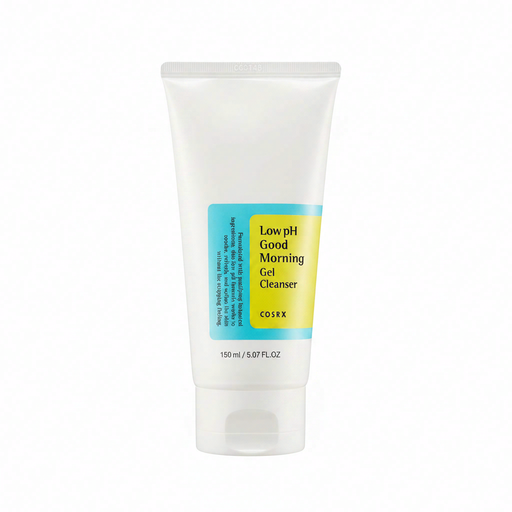
Why it suits this profile: The 50 ml size makes it easier to try a low pH cleanser first. According to the directions, apply the gel to a damp face and rinse off.
You choose a small pack instead of buying a large supply straight away. However, check first whether tea tree oil suits your routine.
50 ml size, gel texture, intended for morning and evening use and suitable as a daily facial cleanser according to the product information.
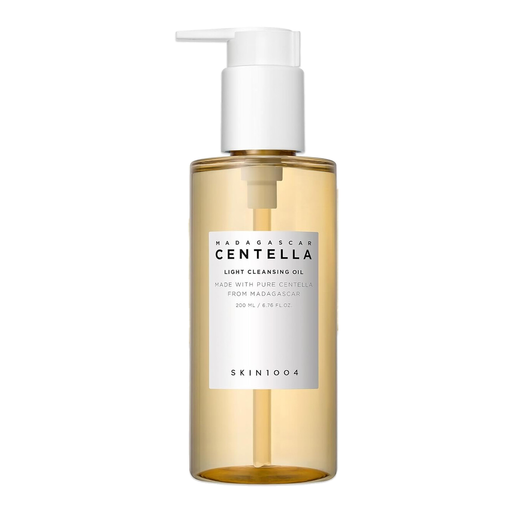
Why it suits this profile: This cleansing oil is intended as a first step for removing make-up and sun protection. The product information mentions six plant oils and centella extract.
The directions make it clear that you use the product on a dry face and then rinse with lukewarm water. This helps prevent unnecessarily long massaging.
200 ml size, lightweight oil formula and suitable as a make-up remover as part of a double-cleansing routine.
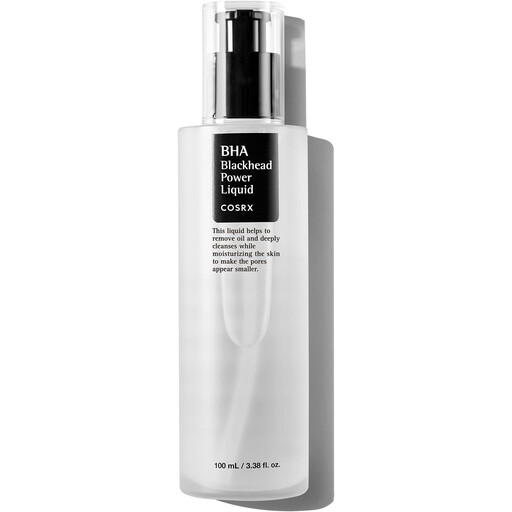
Why it suits this profile: This is not a rinse-off cleanser, but a leave-on BHA product for use after cleansing. It suits anyone who wants to target the T-zone and blackheads.
The separate product category makes it clear that you do not use this as an ordinary face wash. Start slowly and do not combine it with other acids straight away.
100 ml size, contains BHA and can be applied to the nose, chin and T-zone as directed in the product description.
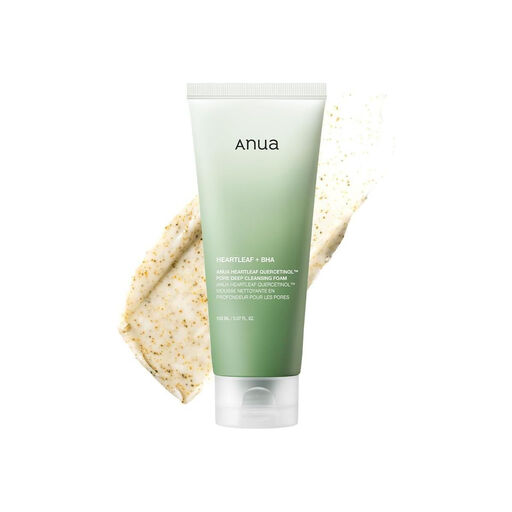
Why it suits this profile: The product description mentions a foaming texture, 33% heartleaf extract and ingredients such as panthenol and allantoin. This makes it an option for anyone looking for a rich foam, while still checking the ingredients list first.
The product information explicitly lists warnings and the ingredients. Please note: fragrance is also listed, so sensitive users should test it first.
150 ml size, micro-fine foam and cleansing ingredients such as sodium cocoyl glycinate and sodium lauroyl glutamate.
We have put together a complete, up-to-date list of products that fully meet these strict selection criteria and the applicable European safety regulations.
An ordinary cleanser is usually used once or twice a day, depending on your skin and routine. If you have dry or sensitive skin, cleansing once in the evening may be enough. Follow the directions for use and adjust the frequency if your skin feels tight or irritated.
It can be, particularly if you want to remove make-up or sun cream. A cleansing oil is not the same as a moisturiser and does not have to feel heavy when it emulsifies and rinses off properly. Test a small amount first and then use a mild water-based cleanser if needed.
That depends on the ingredients. If both the cleanser and exfoliant contain acids or other active ingredients, the combination may be too intense. Check the INCI list, start with a low frequency and stop if irritation occurs. If you have persistent acne or skin complaints, advice from a doctor or dermatologist is more sensible than continually adding more products.
