
Vandaag of morgen in huis

Kwaliteit gegarandeerd

Welkomstaanbiedingen ontgrendelen: GRATIS bezorging | Tot 80% korting | Gratis 30 dagen JoyPlus-proefperiode
Download de app
Choosing a Korean facial cleanser seems simple enough – until you have to decide between a cleansing foam, cleansing oil, cleansing balm or cleansing milk. Products often promise a fresh complexion, smaller pores or intensive hydration. But such claims don’t automatically apply to everyone. The right choice depends mainly on your skin type, how you use make-up, your texture preference and the ingredients list.
A rich cleansing foam can remove dirt, sebum and light residue, but waterproof mascara or long-lasting foundation often calls for a first cleansing step. A cleansing oil, cleansing balm or cleansing milk is typically used on dry skin to break down make-up and oily residue. After that, you can follow up with a water-based cleanser if you wish.
Centella, hyaluronic acid, rice extract and AHAs are common in Korean skincare cleanser formulas. Yet one ingredient alone doesn’t tell you everything about suitability. The full ingredients list, the texture and the usage instructions are at least as important. A product positioned as hydrating, for example, can still feel unsuitable if your skin doesn’t tolerate a particular fragrance or exfoliating ingredient.
A 150 ml or 200 ml pack may seem good value, but a product you don’t enjoy using will just sit unused. If you have sensitive skin, a smaller size – such as the Skin1004 Madagascar Centella Ampoule Foam in 20 ml – is practical for testing the experience first. Stop if you notice redness, swelling, itching or a burning sensation, and follow the safety information on the packaging.
For normal or combination skin, a daily cleansing foam can work well, especially if you mainly want to remove sunscreen, sebum and light impurities. Oily skin may benefit from a product that, according to its description, removes excess sebum and make-up – but a tight feeling after washing is a sign to cleanse less often or use a gentler formula.
If you have dry or sensitive skin, you might prefer a mild cleanser for sensitive skin, a cleansing milk or a formula with glycerin, panthenol, ceramides or hyaluronic acid. These ingredients are used in product formulas to give the skin a more comfortable feel; they don’t guarantee a specific skin result.
Check whether the ingredients suit your preferences and sensitivities. A hyaluronic acid cleanser may contain different forms of hyaluronic acid, while a Centella cleanser usually lists Centella Asiatica extract. For products with AHAs, clay or salt, it’s wise to pay attention to how often you use them.
Brands may mention their own studies or dermatological tests. Treat such information as a brand claim and check the packaging or official product information. According to the product description, Torriden DIVE-IN Cleansing Foam, for example, contains eight forms of hyaluronic acid. That doesn’t automatically mean every skin will feel more intensively hydrated.
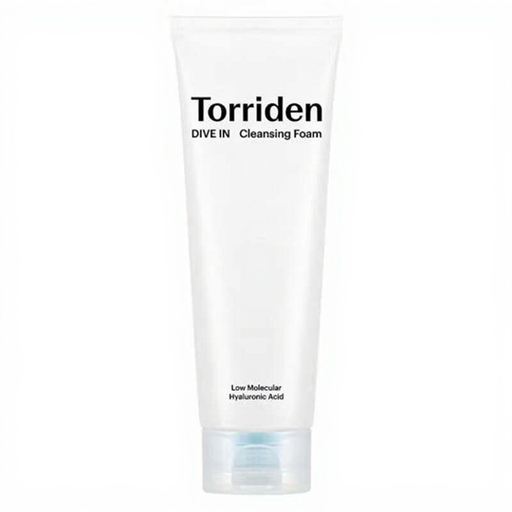
Why this suits the profile: The 150 ml size and foam texture fit a simple daily facial cleansing routine in the morning and evening.
The product description mentions a vegan cleansing foam with eight forms of hyaluronic acid, so you’re not relying solely on a marketing term like “foam”.
150 ml; the ingredients list includes hyaluronic acid, glycerin, panthenol and allantoin; use on a damp face.
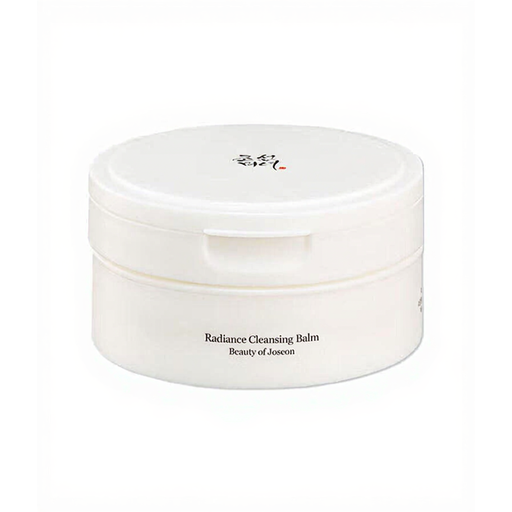
Why this suits the profile: This balm is a great option for anyone looking for a solid first step to break down make-up and oily residue.
The instructions for use clearly describe the steps: apply to a dry face, emulsify with warm water and then rinse off.
100 ml; balm that, according to the product description, melts into an oily texture; suitable as a first cleansing step.
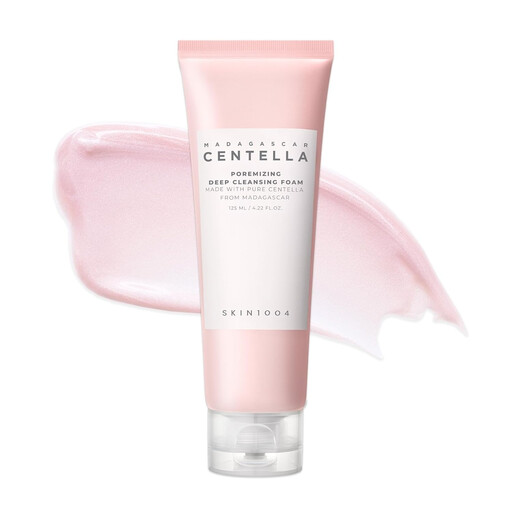
Why this suits the profile: The combination of foam, kaolin and pink salt appeals to users who pay extra attention to sebum, make-up and pore cleansing.
The product description specifies the ingredients used and the purpose of the formula, rather than just a general claim about “deep cleansing”.
125 ml; kaolin and Himalayan Pink Salt according to the product description; Centella Asiatica is listed in the formula.
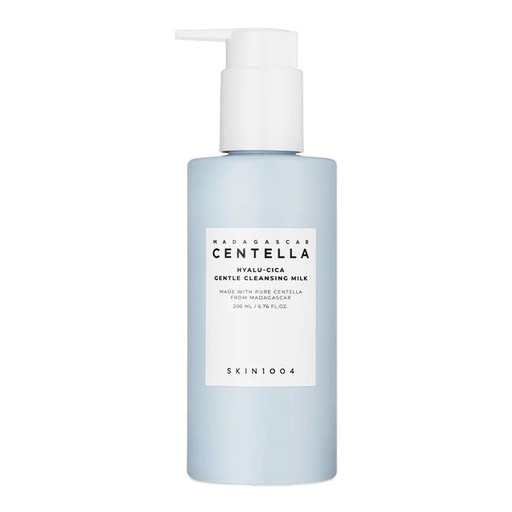
Why this suits the profile: The milky texture and use on a dry face suit anyone looking for a gentler alternative to foaming cleansers.
The packaging includes a clear warning to do a patch test on sensitive skin and advises using a second cleanser for heavy make-up.
200 ml; Centella Asiatica, panthenol, allantoin, ceramide NP and hydrolysed sodium hyaluronate in the ingredients list.
We’ve put together a full, up-to-date list of products that fully meet these strict selection criteria and comply with current European safety regulations.
That depends on the formula. Many foaming cleansers are described as suitable for daily use, but AHAs, clay or other exfoliating ingredients may mean you need to adjust how often you use them. Always follow the label and reduce usage if your skin feels tight or irritated.
For light make-up, one facial cleanser may seem enough, but waterproof make-up and sunscreen can make double cleansing more practical. Start with a cleansing oil or cleansing balm and then follow up with a mild foam cleanser if needed.
How long it lasts depends on the size and how much you use each time. A 150 ml pack can last a good while with daily use, but always check the expiry information and batch number on the packaging. Store the product according to the instructions and don’t share a cleanser with others to avoid unnecessary contamination.
