
Livraison le jour même et le lendemain

Qualité garantie

Débloquez vos offres de bienvenue: Livraison GRATUITE | Jusqu'à -80 % | 30 jours d'essai gratuits à JoyPlus
Téléchargez l'application
Buying a Korean facial cleanser seems straightforward, until you have to choose between a cleansing gel, cleansing foam, cleansing milk or oil. Marketing terms like “calm”, “pore cleansing” and “barrier-friendly” don’t tell you much on their own. The right choice depends mainly on your skin type, how you use make-up, and the product’s formulation.
If you cleanse your skin daily in the UK, you’ll usually want to combine three things: removing make-up, sebum and dirt, without leaving a tight feeling afterwards. So don’t just look at the product name – also check the instructions, ingredients and texture.
A foaming facial cleanser feels thorough, but lots of foam doesn’t automatically mean the formula is right for your skin. If you have dry or sensitive skin, an intensely cleansing product can leave an unpleasant tight sensation. Instead, look at the surfactants, hydrating ingredients like glycerine, and the recommended skin types.
Centella Asiatica appears in many Korean skincare products, but products containing Centella vary widely. Some formulas also include tea tree, salicylic acid, perfumed oils or fruit extracts. That might work for one person but not for another. Always check the full ingredients list, especially for a cleanser for sensitive skin.
A water-based cleanser removes daily dirt and excess sebum, but heavy make-up or waterproof mascara may need a separate first cleansing step. A cleansing oil or cleansing milk is often more practical for that. According to product descriptions from various brands, double cleansing is recommended for some formulas, while other brands say it isn’t necessary. Treat such claims as product information from the brand, not as a universal rule.
A low pH cleanser typically has a pH level closer to the skin’s natural acidity. Products in this selection, for example, state a pH of 5 or 5.5. That’s verifiable product information, but the pH level alone doesn’t determine whether a cleanser feels comfortable for everyone.
A facial cleansing gel with mild surfactants is often practical for normal, combination or sensitive skin. A rich foam can be pleasant for oilier skin, while a milky cleanser suits dry or dehydrated skin better.
Pay attention to the combination of ingredients:
According to the product description, the SKIN1004 Tea-Trica BHA Foam contains salicylic acid and tea tree. The manufacturer includes usage warnings and states that the product is not intended for children under three years old.
The method of use varies by product. A gel or foam cleanser is usually applied to damp skin and worked into a lather with water. A cleansing oil or milk is often massaged onto dry skin first. Then you add water or rinse off directly, depending on the instructions.
This step may seem small, but it prevents unnecessary rubbing. Always follow the label and stop if you experience redness, a burning sensation, itching or swelling. Avoid contact with the eyes.
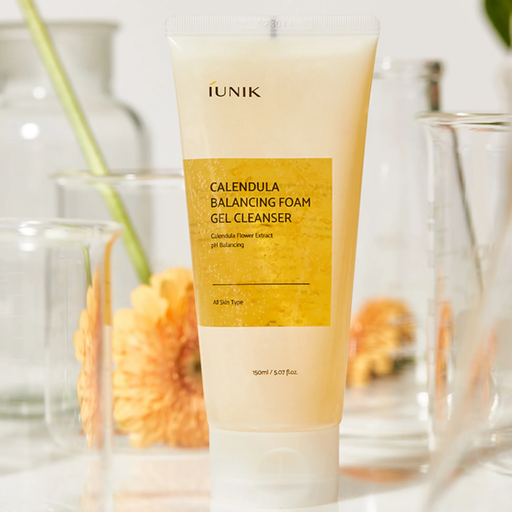
Why this fits the profile: The gel texture and 150 ml content make this a straightforward choice if you want to try Korean skincare without buying multiple products straight away. According to the usage instructions, the gel can be used both morning and evening.
The product information clearly states that you should check the ingredients first and stop if irritation occurs. This stops you from relying solely on the name “mild”.
150 ml content; gel that can be lathered with water according to the instructions; made in South Korea.
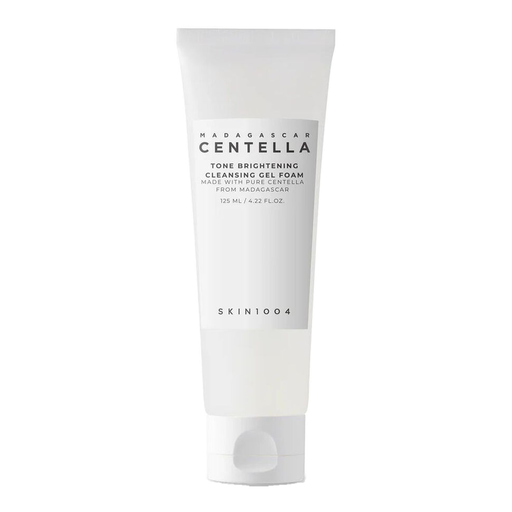
Why this fits the profile: This cleanser combines a gel texture with ingredients like Centella Asiatica, madecassoside, glycerine and panthenol. According to the product description, it is intended for normal, sensitive and combination skin.
The ingredients list is available, so you don’t have to rely solely on the Centella name. The description also mentions use on damp hands and rinsing with lukewarm water.
150 ml; Centella Asiatica and madecassoside in the formula; gel that turns into a gentle foam according to the product information.
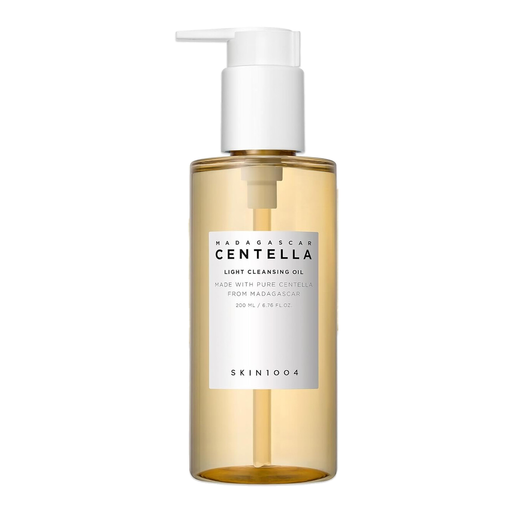
Why this fits the profile: A cleansing oil suits users who regularly want to dissolve make-up, sunscreen or excess sebum before possibly using a second cleanser.
The instructions mention use on a dry face with dry hands. This stops you from trying to use an oil directly as a foaming facial cleanser.
200 ml; six plant-based oils according to the product description; designed to dissolve make-up and impurities before rinsing off.
We’ve put together a full, up-to-date list of products that fully meet these strict selection criteria and comply with current European safety regulations.
For daily facial cleansing, you usually only need a small amount. Wet your face and hands if the packaging says to, let the cleanser lather briefly, and massage without rubbing hard. Rinse with lukewarm water and pat dry with a clean towel.
If you wear make-up or waterproof sunscreen, start with a cleansing oil or cleansing milk. The SKIN1004 Hyalu-Cica Gentle Cleansing Milk is, according to the product information, intended for use on a dry face and is recommended for dry, sensitive, normal and dehydrated skin. For heavy make-up, the brand mentions a second cleanser as a possible next step.
Acne-prone skin doesn’t automatically benefit from the most powerful foam. Instead, choose based on the ingredients list and how often you use it. A product with salicylic acid or tea tree can be a specific choice, but follow the warnings and stop if irritation occurs.
Many cleansers are designed for use in the morning and evening, but that doesn’t mean you always need to cleanse vigorously. Follow the product instructions and pay attention to how your skin reacts. After exercise or heavy sweating, extra cleansing can be practical; with dry skin, washing for too long or too often can feel uncomfortable.
Yes, a cleansing oil is designed to dissolve make-up and oily residues. Apply the product as directed, usually to a dry face with dry hands, then add water and rinse off. For heavy make-up, a second cleanser may be useful according to the product description.
Always check the expiry date and the jar symbol on the packaging. The exact shelf life varies by product. Store a cleanser in a cool, dry place away from direct sunlight, and close the packaging properly after use. Do not use the product if the smell, colour or texture has clearly changed.
