
Vandaag of morgen in huis

Kwaliteit gegarandeerd

Welkomstaanbiedingen ontgrendelen: GRATIS bezorging | Tot 80% korting | Gratis 30 dagen JoyPlus-proefperiode
Download de app
A Korean facial cleanser can be a simple step in your routine, but the sheer range of options makes choosing one tricky. Are you looking for a foam cleanser, a gel, or a hydrating facial cleanser? And does “deep pore cleansing” automatically mean a product is suitable for daily use?
As a Joybuy Product Recommendation Officer, I focus on verifiable information: skin type, volume, cleansing ingredients, usage instructions and warnings. This way, you avoid being swayed by a flashy marketing claim alone.
A facial cleansing foam with a very rich lather can feel pleasant, but a tight sensation after rinsing doesn’t mean your skin is cleaner. For oily skin, a strong cleanse might feel comfortable temporarily, whereas if you have dry or sensitive skin, you’re more likely to experience dryness.
So, pay attention to the combination of surfactants, how often you use it and your skin type. The term “deep cleansing” doesn’t automatically describe how your skin will react in the long term.
Some cleansers for acne-prone or oily skin contain salicylic acid, citric acid or gluconolactone. These ingredients can be part of a formula designed to remove sebum and dead skin cells, but they aren’t suitable for everyone.
The Some By Mi AHA/BHA/PHA Miracle Acne Clear Foam contains, according to the product information, salicylic acid, citric acid, gluconolactone and peppermint oil. The packaging warns that AHA and PHA can increase sensitivity to the sun, and that salicylic acid is not intended for children under 3 years old. Always check the full ingredients list.
Claims like “cleaner pores” or “completely removes make-up” depend on the formula, your skin, the amount of product and how you cleanse. According to Some By Mi’s own research, the Lactosoy Enzyme Deep Cleansing Foam is said to improve pore cleansing by 91.7% and remove ultrafine dust by 99.5%. These are brand-specific research claims, not a guarantee for every user.
A Korean cleanser isn’t automatically suitable for every skin type. “K-beauty skincare” is a broad category that includes both simple gel cleansers and foams with acids, fragrances or many additional ingredients.
For a hydrating facial cleanser, you’ll often see glycerine, panthenol, hyaluronic acid or ingredients that, according to the product description, help retain moisture. Centella asiatica is common in Korean skincare. Its presence alone doesn’t mean a product prevents irritation or treats a skin condition.
If you’re looking for a facial cleanser for sensitive skin, it’s wise to check fragrance, essential oils and potential allergens extra carefully. A patch test on a small area of skin is sensible with any new formula.
The products in this selection include 50 ml, 100 ml, 125 ml and 150 ml. A larger pack isn’t automatically better value if you don’t like the product and therefore use it less often.
Use a foam cleanser on a damp face: lather it in your hands first, massage gently and rinse with lukewarm water. For waterproof make-up or stubborn sunscreen, a separate first cleansing step may be necessary. So don’t blindly trust the claim that one cleanser makes double cleansing redundant.
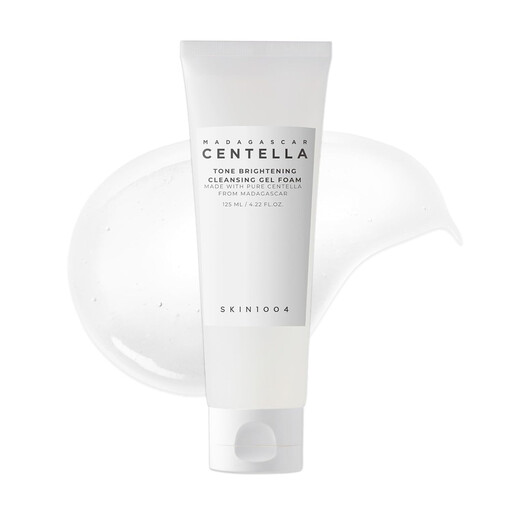
Why this fits the profile: The gel texture lathers up and, according to the product description, is intended for daily use and all skin types. This makes it a straightforward option for anyone starting out with Korean skincare.
The product information mentions a gentle foam and non-drying cleansing, without tying the choice solely to a “deep cleansing” claim.
125 ml volume; glycerine, centella asiatica, panthenol and mild cleansing agents are listed in the ingredients.
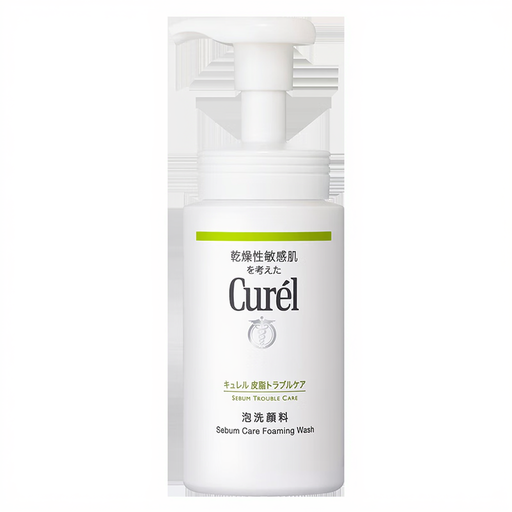
Why this fits the profile: This foaming cleanser is, according to the product description, aimed at dry and sensitive skin, with ceramides, a fragrance-free formula and a pH-neutral positioning.
The choice here isn’t about an aggressive pore claim, but about a fragrance-free formula and moisture retention, as per the product description.
150 ml; fragrance-free, hypoallergenic and pH-balanced according to the provided product data.
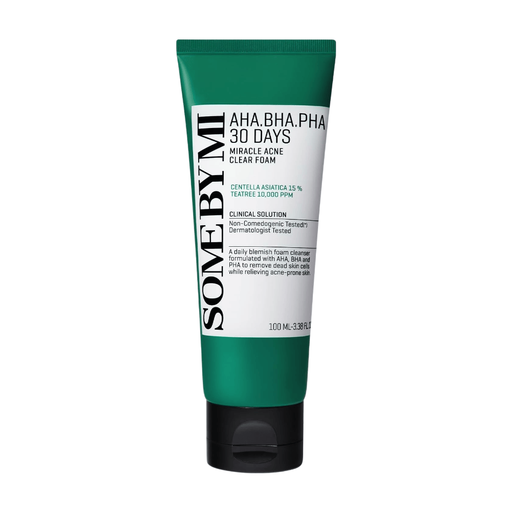
Why this fits the profile: The product description targets this foam cleanser at oily, combination and problem skin. The formula contains salicylic acid and gluconolactone, among other ingredients.
The acids present are clearly listed, so you can factor them into your routine and perform a patch test. Use appropriate sun protection when exposed to sunlight.
100 ml; contains salicylic acid, centella asiatica and tea tree water according to the ingredients list; intended for daily use according to the product information.
We’ve put together a full, up-to-date list of products that fully meet these strict selection criteria and comply with current European safety regulations.
For many formulas, use in the morning and evening is possible according to the product information. If you have sensitive skin, you might start with once a day. Massage briefly and gently; rubbing for longer doesn’t automatically make a cleanser more effective.
Look for a gel or foam cleanser with a cleansing level that removes sebum without leaving a lasting tight feeling. Formulas with salicylic acid can be interesting if you’re looking for a facial cleanser for acne or oily skin, but check the warnings and don’t combine multiple acids straight away.
The shelf life is stated on the packaging. For the Advanced Snail Mucin Power Gel Cleanser, the product information mentions a shelf life after opening of 12 months. Always check the label on your own product and close the packaging properly after use.
