
Vandaag of morgen in huis

Kwaliteit gegarandeerd

Welkomstaanbiedingen ontgrendelen: GRATIS bezorging | Tot 80% korting | Gratis 30 dagen JoyPlus-proefperiode
Download de app
A Korean facial cleanser can help remove make-up, sebum and dirt as part of your daily routine. However, a pretty package or a term like "pore cleansing" is no guarantee that a product will suit your skin. The right choice depends mainly on the texture, cleansing power, ingredients and how you use the cleanser.
Lots of foam doesn't automatically mean your face gets cleaner. A cleansing foam with a strong degreasing feel can actually cause tightness on dry or sensitive skin. So pay attention to the full ingredients list, not just terms like "deep cleansing" or "rich foam".
An acne cleanser or exfoliating cleanser can contain ingredients such as salicylic acid, AHA, BHA or PHA. These substances are often chosen for oily or blemished skin, but can feel uncomfortable with overuse. A product with acids isn't automatically suitable for every day or every skin type.
A cleansing oil works differently from a cleansing gel. You usually apply the oil to a dry face, massage to loosen make-up and sunscreen, then add water. The oil then turns into a milky emulsion. If you rinse too quickly or too little, a film can remain. With double cleansing, a water-based facial cleanser follows afterwards.
Choose the product type based on your routine:
Also check the size. The products mentioned range, for example, from mini sizes of 20 or 50 ml to bottles and tubes of 150 to 240 ml. A small package can be handy for trying out a formula first.
Don't just look at one popular ingredient. The overall formula is more important.
Always follow the label. Product instructions generally advise use on wet skin for a gel or foam, and on dry skin for a cleansing oil. Avoid contact with the eyes. Stop if redness, itching, swelling or a burning sensation occurs.
A low pH isn't given as a measurement for every product. So don't take "low-pH" as your only selection criterion. Also check the recommended skin types, fragrances and active ingredients.

Why this fits the profile: The gel texture and 100 ml size make this a straightforward choice for anyone starting out with Korean skincare and looking for a daily facial cleanser.
The product description mentions a light gel cleanser without essential oil and with glycerine. This helps you choose more purposefully than relying on foam alone.
Gel texture, 100 ml size, glycerine and plum water according to the ingredients list. The usage instructions are simple: apply to a damp face and rinse off.
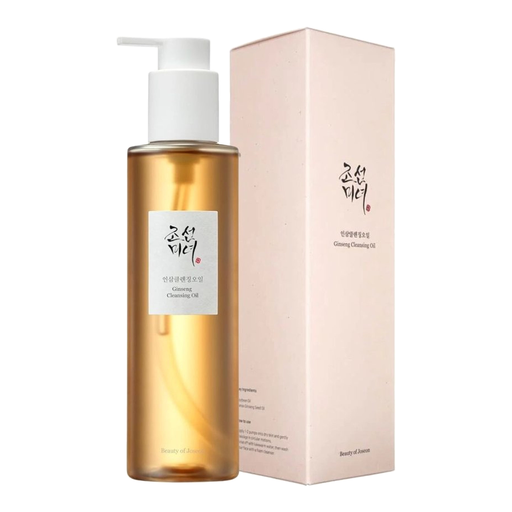
Why this fits the profile: This 210 ml cleansing oil suits an extensive evening routine with make-up remover and double cleansing.
The usage instructions state that you should apply it to dry skin and rinse with lukewarm water. This makes it clear how to use and remove the oil.
Pump bottle, 210 ml size and a formula containing, among other ingredients, soybean oil, olive oil and ginseng seed oil according to the product information.
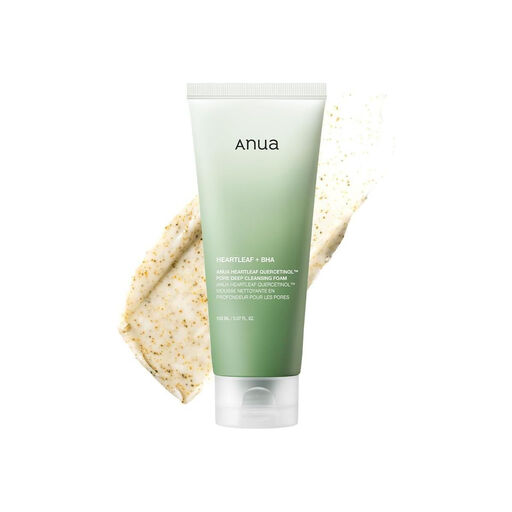
Why this fits the profile: Those looking for a foaming cleanser for oily or combination skin will find a formula here that contains salicylic acid and has a dense foam texture.
The ingredients list shows that it contains salicylic acid, capryloyl salicylic acid, fragrance and several forms of hyaluronic acid. This allows for an informed choice for sensitive skin.
150 ml size, Sodium Cocoyl Glycinate and Sodium Lauroyl Glutamate as cleansing ingredients, plus panthenol and allantoin according to the product information.
Double cleansing is especially useful when you want to remove make-up, water-resistant sunscreen or excess sebum. First, use a cleansing oil, such as Beauty of Joseon Ginseng Cleansing Oil, SKIN1004 Madagascar Centella Light Cleansing Oil or ANUA Heartleaf Pore Control Cleansing Oil Mild. Apply the oil to a dry face, massage gently and add water to emulsify.
Then use a cleansing gel or foam. For a normal day without make-up, one water-based facial cleanser is often enough. Cleansing too often or for too long can make dry skin uncomfortable.
Look for a gentle formula without lots of fragrance, essential oils or exfoliating acids. Test a new product on a small area of skin first and stop if irritation occurs. A product description with "hypoallergenic" is information from the brand and not a guarantee that everyone will tolerate it.
It can be, especially if you're removing make-up or sunscreen. Choose a light oil and emulsify it well with water. Afterwards, you can use a cleansing gel if needed. Check the ingredients and your own skin reaction; "non-comedogenic" is a claim from the product description, not a certainty for every individual.
Check the expiry date, batch information and the symbol for the period after opening on the packaging. Store the cleanser in a cool, dry place away from direct sunlight, and close the pump or cap properly after use. The exact shelf life can vary by product and packaging.
We've put together a full, up-to-date list of products that fully meet these strict selection criteria and comply with current European safety regulations.
