
Livraison le jour même et le lendemain

Qualité garantie

Débloquez vos offres de bienvenue: Livraison GRATUITE | Jusqu'à -80 % | 30 jours d'essai gratuits à JoyPlus
Téléchargez l'application
Korean facial cleansing isn’t just about pretty packaging or a long list of ingredients. What really matters is that the texture, cleansing power and frequency of use match your skin type and routine. A dry skin, for example, needs something different from an oily or acne-prone one.
Many wrong purchases come down to three recurring pitfalls:
The format of a facial cleanser determines how you use it and which routine it suits best.
For waterproof make-up or several layers of sunscreen, an oil or balm can be useful as a first step. Afterwards, you can follow up with a cleansing foam or gel as a second step.
A low pH cleanser has an acidity level that, according to the product description, is closer to that of your skin. Low pH Good Morning Gel Cleanser contains, among other things, cocamidopropyl betaine and tea tree oil. The manufacturer positions this gel as a daily cleanser for, among others, oily and acne-prone skin. That doesn’t mean the product feels the same for everyone: tea tree oil can cause sensitivity in some users.
Also look out for exfoliating ingredients. An AHA BHA PHA cleanser may contain acids such as salicylic acid, citric acid, mandelic acid or gluconolactone. Build up use gradually and don’t automatically combine multiple exfoliating products. A cleanser with these ingredients is also not the same as a leave-on exfoliant.
A well-known name like, Beauty of Joseon or Sulwhasoo can be appealing, but the size and application determine the value for your routine. A 50 ml mini is handy for trying out a product or taking it with you, while 150 to 210 ml can be more practical for daily use.
Always check:
The product description for Beauty of Joseon Ginseng Cleansing Oil mentions soybean oil, olive oil, sunflower oil and ginseng seed oil. The oil base and 210 ml volume make this a logical choice for anyone looking for a generous cleansing oil. The mentioned nourishing or collagen-supporting effect is a brand claim and should not be read as a guaranteed result.
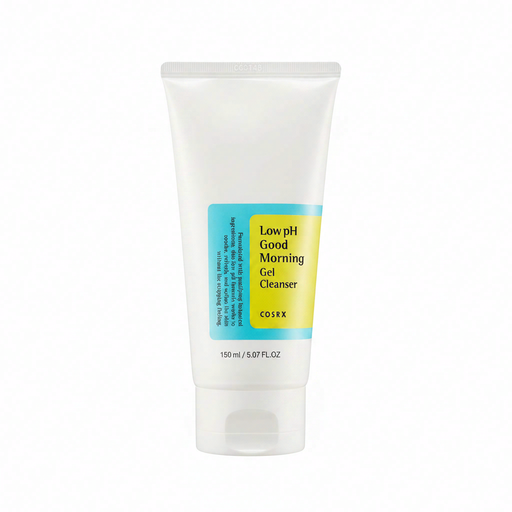
Why this suits the profile: The compact 50 ml size is ideal for trying out a low pH cleanser without committing to a large bottle straight away.
The gel texture and stated low pH make it clear which type of cleanser you’re buying; just check whether tea tree oil suits your skin.
50 ml; gel texture; glycerine in the ingredients list; suitable for use on a damp face.
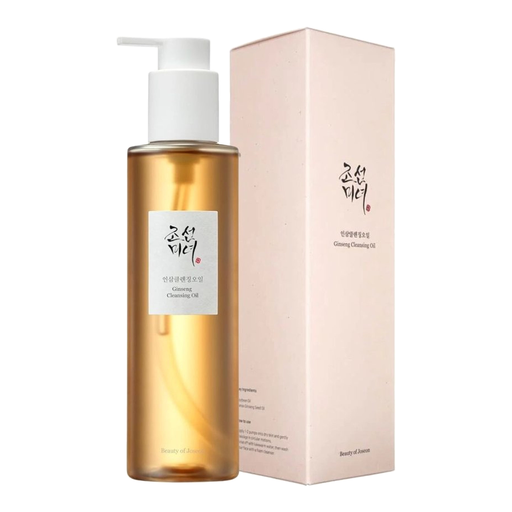
Why this suits the profile: The pump bottle and generous volume fit a consistent evening routine with make-up, sunscreen or dry skin.
The product information clearly states it’s a cleansing oil for the face, with instructions for use on dry skin.
210 ml; pump packaging; soybean oil and ginseng seed oil listed in the ingredients.
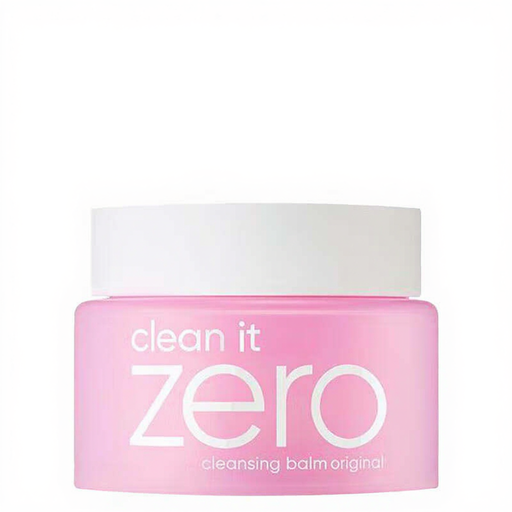
Why this suits the profile: A balm is handy for anyone who removes make-up or sunscreen daily and prefers working with a melting texture.
The usage instructions explicitly mention dispensing, massaging onto a dry face, emulsifying with water and rinsing thoroughly.
100 ml; balm texture; suitable as a first cleansing step; spatula included for dispensing.
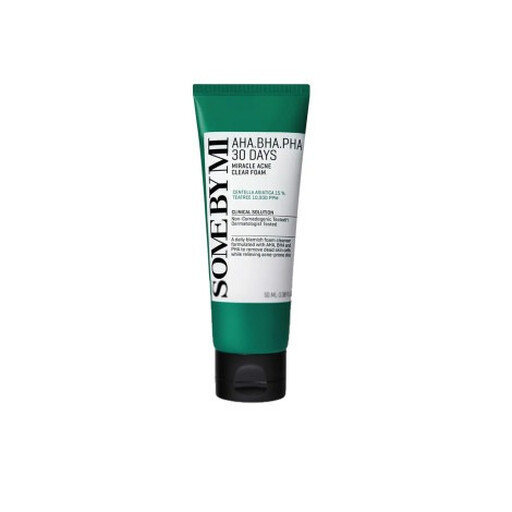
Why this suits the profile: The 50 ml mini is ideal for users who want to try a cleanser with acids and build up the frequency themselves.
The product is labelled as a facial cleanser, unlike the Some By Mi body cleanser. The ingredients list mentions salicylic acid, AHA, BHA and PHA.
50 ml; foaming formula; salicylic acid listed; cica and zinc mentioned in the product information.
We’ve put together a full, up-to-date list of products that fully meet these strict selection criteria and comply with current European safety regulations.
A standard gel or foam cleanser can often be used in the morning and evening, according to the product instructions. For dry or sensitive skin, once a day may be more comfortable. A cleanser with AHA, BHA or PHA requires more caution. Follow the label and stop if irritation occurs.
It can be, especially if you want to dissolve make-up, sunscreen or excess sebum. Apply the oil to a dry face, add water to emulsify and rinse thoroughly. Test how your skin reacts first and, if needed, choose a light cleansing gel as a second step.
Check the expiry date, batch information and the symbol for the period after opening on the packaging. Store the product in a cool, dry place, close the packaging properly and don’t use any cosmetics that smell different, have changed colour or cause irritation.
