
Same-day & Next-day Delivery

Quality Guaranteed

Unlock Your Welcome Offers: FREE Delivery | Up to 80% OFF | Free 30-day JoyPlus trial
Download the APP
A Korean facial cleanser can be a practical addition to your daily routine, but the choice isn't always straightforward. A cleansing foam, cleansing gel, cleansing oil and cleansing balm don't all work in the same way. If you rely solely on terms like "deep cleansing" or "for all skin types", you could end up buying a product that cleanses too harshly, doesn't remove make-up completely, or leaves your skin feeling tight after use.
As a Joybuy Product Recommendation Officer, I filter the most important product information based on verifiable specifications. This helps you separate marketing language from the features that really matter in your bathroom.
Deep cleansing doesn't automatically mean a facial cleanser is suitable for daily use. A product that removes a lot of sebum can feel uncomfortable on dry or sensitive skin. So pay attention to the type of cleanser, how often you use it, and the ingredients list.
A gentle facial cleanser with a gel or foam texture is often practical for the morning. A cleansing oil or cleansing balm is mainly designed to break down make-up, sunscreen and oily residue.
A cleansing oil and cleansing balm dissolve make-up and oily impurities. However, after emulsifying with water and rinsing off, some residue can remain, depending on the formula and your skin. With double cleansing, a water-based cleanser such as a foam or gel often follows.
This isn't a mandatory routine for everyone. If you don't wear make-up or water-resistant sunscreen, one suitable facial cleanser may be enough.
A product claim for all skin types is general product information, not a personal guarantee. Sensitivity to fragrance, essential oils, acids or certain plant extracts varies from person to person. Always check the ingredients and test a new product on a small area of skin first.
According to the brands' product information, certain products may be suitable for sensitive or oily skin, but such claims come from the brand's product description. They are not a medical assessment and won't prevent individual irritation.
For a facial cleanser for sensitive skin, fragrance, essential oils and exfoliating ingredients are important factors to check. "Hypoallergenic" or "dermatologically tested" is product information from the supplier and not a guarantee that everyone will tolerate the product.
For a facial cleanser for oily skin, ingredients like salicylic acid might seem appealing. The Salicylic Acid Daily Gentle Cleanser lists 0.5% salicylic acid, tea tree oil and willow bark water. According to the product description, this formula is aimed at combination, oily and blemish-prone skin. If you have sensitivity, do a patch test and stop using it if irritation occurs.
A larger pack isn't always better value if you don't like the product or only use it for a short time. Check the capacity, for example 100, 150 or 200 ml, and look at the shelf life or period-after-opening information on the packaging.
Also follow the usage instructions. For the BIRCH JUICE MOISTURIZING CLEANSER (150 ml), the instructions state that you should apply a suitable amount to your hand, lather with water and rinse with lukewarm water. The product information mentions daily use in the morning and evening. Avoid contact with the eyes and stop if redness, swelling or irritation occurs.
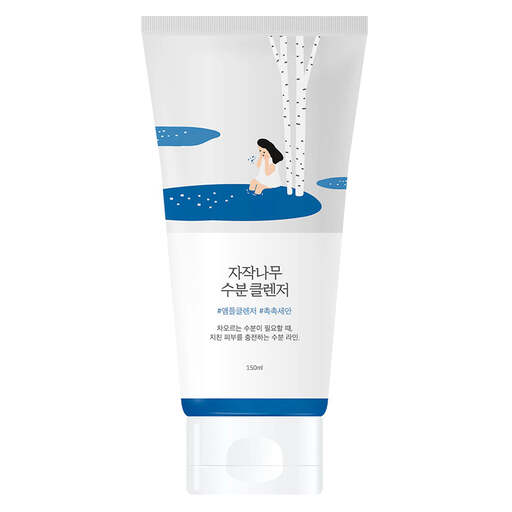
Why this fits the profile: A straightforward cleansing foam for anyone looking for a Korean facial cleanser for daily use without adding multiple steps to their routine straight away.
The usage instructions describe a normal amount, lathering and rinsing with lukewarm water. This makes it clear how to avoid over-scrubbing.
150 ml capacity; suitable according to the product information for use in the morning and evening.
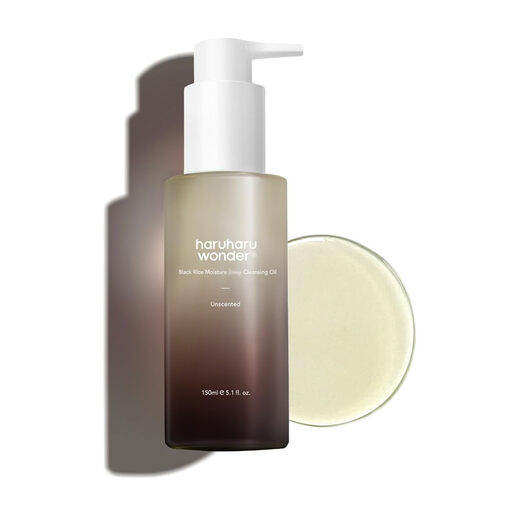
Why this fits the profile: For those who want to dissolve make-up and daily impurities with an oil first, then possibly follow up with a second cleanser.
The instructions mention massaging in for about 30 seconds and rinsing thoroughly with lukewarm water. The product description also notes an unscented formula.
150 ml capacity; according to the product information, suitable for removing make-up and dirt.
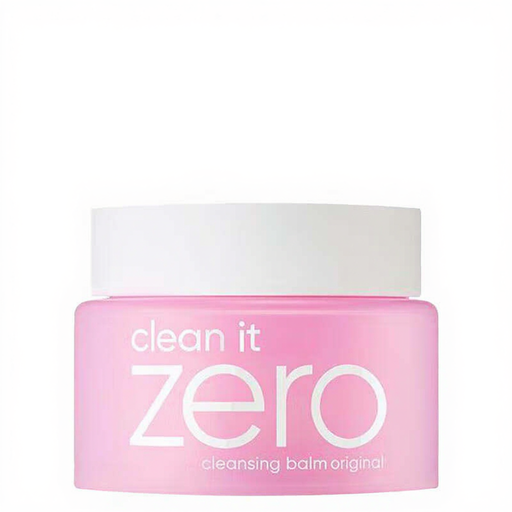
Why this fits the profile: A logical choice for anyone who regularly wears waterproof make-up and wants to replace a separate make-up remover with a balm.
The usage steps are concrete: apply balm to a dry face, massage in, emulsify with water and rinse thoroughly. This limits harsh rubbing when removing make-up.
100 ml capacity; solid balm texture that, according to the product description, transforms into an oily cleanser.

Why this fits the profile: Anyone paying extra attention to sebum and blemishes may want to consider a cleanser with a named active ingredient.
The ingredients list states 0.5% salicylic acid. The product warning advises a patch test and to stop if irritation occurs; this keeps the choice based on verifiable information.
150 ml capacity; foaming formula with 0.5% salicylic acid according to the product information.
We've put together a full, up-to-date list of products that fully meet these strict selection criteria and comply with current European safety regulations.
Not automatically. Choose based on your skin type, the ingredients and the cleansing power you need. A gentle gel can work for daily use, while a cleansing balm is especially handy for make-up. For sensitive skin, fragrance, essential oils and acids are particularly important things to check.
Usually apply the product with dry hands to a dry face. Massage gently to loosen make-up and sebum. Then add a little water so the product emulsifies, and rinse off with lukewarm water. With double cleansing, you can then use a water-based cleanser.
That depends on the capacity and how much you use each time. A 150 ml pack typically lasts longer with daily use than a 50 ml size, but the actual duration varies from person to person. Always check the expiry date and the period-after-opening information on the packaging.
