
Livraison le jour même et le lendemain

Qualité garantie

Débloquez vos offres de bienvenue: Livraison GRATUITE | Jusqu'à -80 % | 30 jours d'essai gratuits à JoyPlus
Téléchargez l'application
A Korean facial cleanser can come as a gel, foam, cleansing oil or powder. This wide range can make choosing one far from straightforward. A rich layer of foam, for example, doesn’t automatically mean a product is suitable for daily use. Terms like “pore control” and “miracle” also tell you very little about the formula or how to use it.
The main pitfalls to watch out for with a Korean skincare cleanser are:
The texture determines how you use the cleanser:
A cleanser for acne-prone skin isn’t automatically suitable for sensitive skin. Check whether it contains salicylic acid, fragrance, essential oils or other potential allergens.
A low-pH cleanser is formulated with an acidity level closer to the skin’s natural environment. The Low-pH Good Morning Cleanser, for example, states it has a low-pH formula and contains betaine salicylate and tea tree oil. The product description targets oily and acne-prone skin; this is a brand description and not a medical guarantee.
With exfoliating formulas, pay attention to the concentration and combination:
Use such products according to the label and stop if irritation occurs. A cleanser is rinsed off, so don’t expect results as if it were a leave-on treatment.
For light daily cleansing, one water-based facial cleanser is usually sufficient. If you wear a lot of make-up or water-resistant sunscreen, double cleansing can be more practical:
The ANUA Heartleaf Pore Control Cleansing Oil Mild advises, according to the product description, 2 to 3 pumps on dry skin followed by a water-based cleanser. This makes the product particularly interesting for an evening routine with make-up removal. A cleansing oil doesn’t always replace the second cleansing step.

Why this fits the profile: The gel texture, 100 ml volume and mention of suitability for all skin types make this a straightforward starting point for anyone looking for a mild facial cleanser.
The product information doesn’t list acids as a main focus and gives simple usage instructions with water and rinsing.
Gel texture; 100 ml; according to the product details, vegan, fragrance-free and suitable for all skin types.
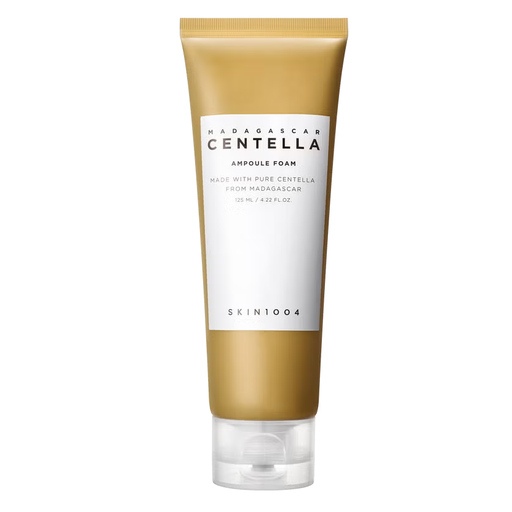
Why this fits the profile: The product description mentions a pH of 5, a 125 ml volume and use for multiple skin types. These are verifiable points for anyone who doesn’t rely solely on scent or foam.
The stated pH value gives more information than just the description “mild”. Always check the packaging and ingredients yourself.
pH 5 according to the product details; 125 ml; designed for dirt, sebum and make-up residue.
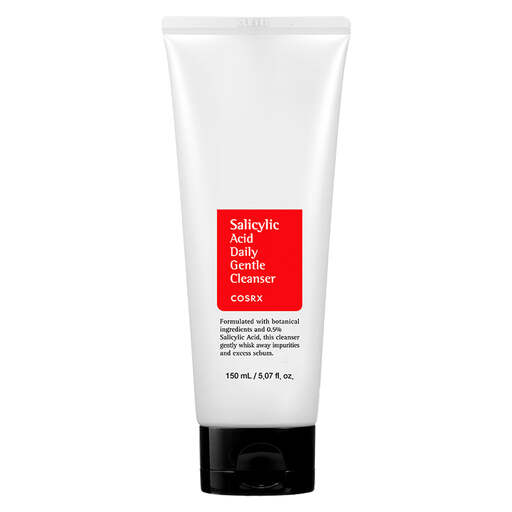
Why this fits the profile: The formula states 0.5% salicylic acid and, according to the product description, is aimed at combination, oily or acne-prone skin.
The salicylic acid concentration is stated. Build up use gradually and don’t combine directly with multiple exfoliating products.
0.5% salicylic acid according to the product information; 150 ml; also contains tea tree oil and willow bark water.
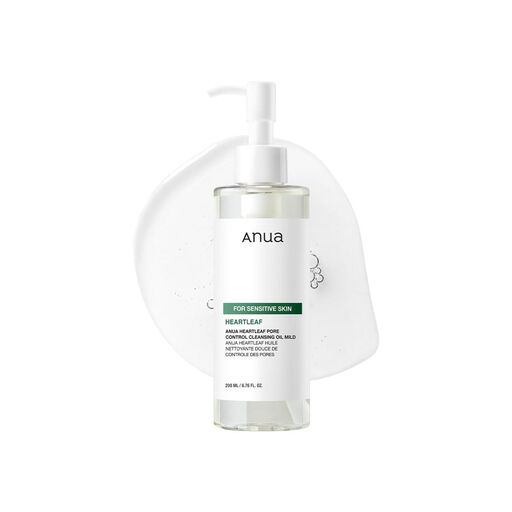
Why this fits the profile: This 200 ml cleansing oil is designed for use on dry skin and can loosen make-up and impurities before a second cleanser.
The instructions describe emulsifying with water and then using a water-based cleanser. This keeps the routine clear.
200 ml; suitable as a first step in double cleansing; usage advice of 2 to 3 pumps.
We’ve put together a full, up-to-date list of products that fully meet these strict selection criteria and comply with current European safety regulations.
That depends on the formula and your skin. A mild gel or foam is often used morning and evening according to the label. With an AHA BHA PHA cleanser or salicylic acid cleanser, it’s wiser to start slowly. If your skin feels tight, stinging or red, reduce usage and stop if irritation persists.
Yes, a cleansing oil can also work for oily skin, especially to loosen make-up and sunscreen. Rinse thoroughly and then use a water-based facial cleanser if needed. Check the ingredients if you’re sensitive to fragrance or essential oils.
How long it lasts depends on the volume and how much you use each time. A 150 or 200 ml product generally lasts longer with daily use than a 50 ml mini. Always check the expiry information, batch code and the period-after-opening symbol on the packaging.
