
Livraison le jour même et le lendemain

Qualité garantie

Débloquez vos offres de bienvenue: Livraison GRATUITE | Jusqu'à -80 % | 30 jours d'essai gratuits à JoyPlus
Téléchargez l'application
Buying a Korean facial cleanser seems straightforward – until you have to choose between a gel cleanser, cleansing foam, cleansing oil or cleansing balm. Marketing copy often promises a deep cleanse, a gentle formula and a fresh complexion. Yet a bold claim on the packaging doesn’t always tell you whether a product will suit your skin and your routine.
Pay particular attention to these three common pitfalls:
The right facial cleanser depends on what you need to remove and how your skin reacts. A simple breakdown helps:
Check whether the product is intended for a dry or damp face. Cleansing oil and cleansing balm are usually applied to a dry face. A gel cleanser or foam cleanser is typically used with damp hands and a damp face.
Want to remove make-up in particular? Choose an oil or balm as your first step. Looking for a cleanser for oily skin without make-up? Then a gel cleanser or foam cleanser may be more practical.
Don’t just look at the front of the packaging. Watch out for:
A product description may call a cleanser “mild” or “suitable for sensitive skin”. Treat that as information from the brand or seller, not as a guarantee for your skin. If you have sensitive skin, it’s wise to do a small patch test on a limited area. Stop if you experience redness, itching, swelling or a burning sensation, and consult a dermatologist if symptoms persist.
Compare the size with how often you’ll use it. A 200 ml bottle may seem good value, but the amount you use per wash matters more than just the millilitres. Also check:
Use a cleansing balm with a clean spatula where possible, and close the pot immediately after use.

Why this fits the profile: The gel texture is easy to incorporate into a daily routine. The 100 ml tube is a manageable size for anyone starting out with K-beauty who wants to try just one cleanser first.
The product information states it is a gel cleanser without perfume or essential oil. Always check the current packaging and ingredients list, though.
100 ml, gel texture, glycerine and several plant extracts according to the product list. The brand states the formula is vegan and hypoallergenic.
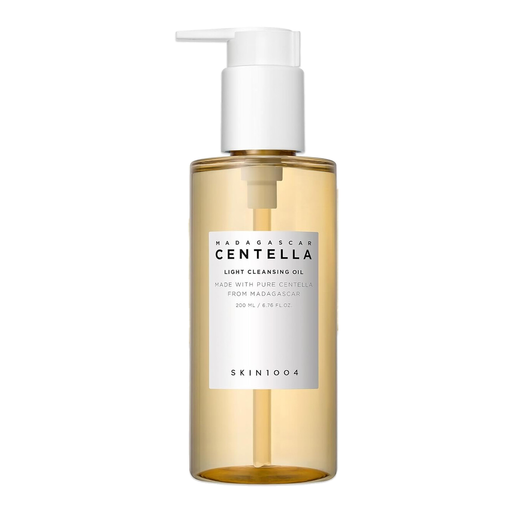
Why this fits the profile: Ideal for anyone who regularly wears make-up or sunscreen and wants a clear first step for double cleansing.
The instructions make it clear that you apply the oil to a dry face and emulsify with water. This prevents unnecessary harsh rubbing.
200 ml, six plant-based oils according to the product description, and designed as a make-up remover and first step of double cleansing.
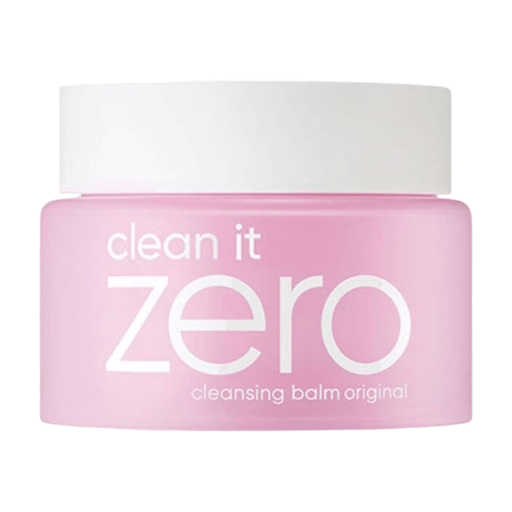
Why this fits the profile: A practical choice for heavy make-up, such as waterproof mascara, and for users who prefer working with a balm texture.
According to the product description, the balm turns into an oily texture and should then be rinsed off with warm water. Use a second cleanser if any residue remains.
100 ml, sherbet-like balm texture and suitable for all skin types according to the product information. The formula contains perfume; check this if you have sensitivities.
We’ve put together a full, up-to-date list of products that fully meet these strict selection criteria and comply with current European safety regulations.
That depends on the ingredients and your personal tolerance. If you have sensitive skin, choose a gentle facial cleanser without perfume or essential oil where possible, and avoid massaging for too long. A product claim such as “hypoallergenic” comes from the brand or product information and is not a guarantee that no one will react.
For most routines, cleansing in the morning and evening is sufficient, but this isn’t a fixed rule. In the evening, use a cleansing oil or cleansing balm if you’re wearing make-up or sunscreen, followed by a gel cleanser. If your skin feels dry or tight, reduce the intensity or choose a milder formula.
That varies depending on the size, the amount used per wash and how often you use it. A 150 to 200 ml bottle typically lasts longer with daily use than a 50 ml tube. After opening, check the jar symbol on the packaging and store the product in a cool, dry place away from direct sunlight.
