
Vandaag of morgen in huis

Kwaliteit gegarandeerd

Welkomstaanbiedingen ontgrendelen: GRATIS bezorging | Tot 80% korting | Gratis 30 dagen JoyPlus-proefperiode
Download de app
A Korean facial cleanser can be a practical addition to your daily routine, but not every cleanser suits every skin type. A foaming texture can feel thorough, while a gel cleanser often feels lighter. Popular terms such as “low-pH”, “pore cleansing” and “hydrating” do not tell the whole story either.
When buying a Korean cleanser in the UK, it is worth looking beyond the packaging and brand name. Pay particular attention to the ingredients list, the skin type the product is intended for and the instructions for use.
A foam cleanser or foaming facial cleanser can produce plenty of foam through the combination of water, surfactants and the way it is applied. Lots of foam does not automatically mean that the cleanser is better or gentler. A tight feeling after rinsing may indicate that the formula feels too intense for your skin.
Words such as “deep cleansing”, “blackhead care” or “tox” sound appealing. However, they do not always describe a measurable result. With a cleanser, it is more realistic to consider the listed ingredients and intended use. Salicylic acid, clay, green tea or AHAs may be part of a formula, but a cosmetic product should not be considered a treatment for acne or a skin condition.
Even a gentle facial cleanser may contain fragrance, essential oils or ingredients you are sensitive to. If you have sensitive skin, it is sensible to check the full ingredients list and test the product on a small area of skin first. Stop using it if you experience redness, itching, a burning sensation or swelling, and follow the safety information on the packaging.
Choose the texture based on your routine:
A facial cleanser for daily use should be practical: you should be able to dispense it easily, rinse it off thoroughly and use it without vigorous rubbing.
A low-pH cleanser is often chosen because, according to the product information, the formula is designed to cleanse gently and support skin comfort. However, check whether the exact pH value is actually stated on the packaging or product page. The term alone does not guarantee a particular user experience.
Also look at the surfactants. Ingredients such as cocamidopropyl betaine, sodium methyl cocoyl taurate or potassium cocoyl glycinate are used in various gentle cleansers. An ingredients list containing glycerine, betaine, panthenol or similar moisturising ingredients may be worth considering if you are looking for a hydrating facial cleanser.
For a cleanser for all skin types, personal skin comfort remains more important than the label. Oily skin may benefit from a formula that removes excess sebum, while dry or sensitive skin often responds better to brief cleansing with lukewarm water and a less strongly foaming formula.
Also consider the size:
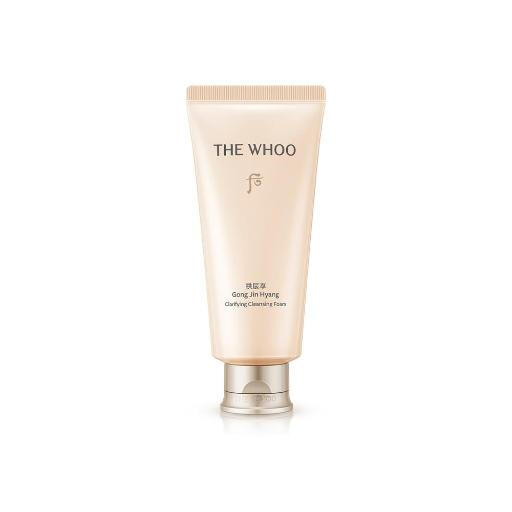
Why it suits this profile: If you value a richer foaming texture and traditional Korean ingredients, this variant may be worth considering for your daily facial cleansing routine.
The product description mentions gentle surfactants and a size of 180 ml. Do not automatically expect hydration; rinse thoroughly and judge the skin feel for yourself.
180 ml size; foaming cleanser; product information mentions ginseng, liquorice and pearl powder extract.
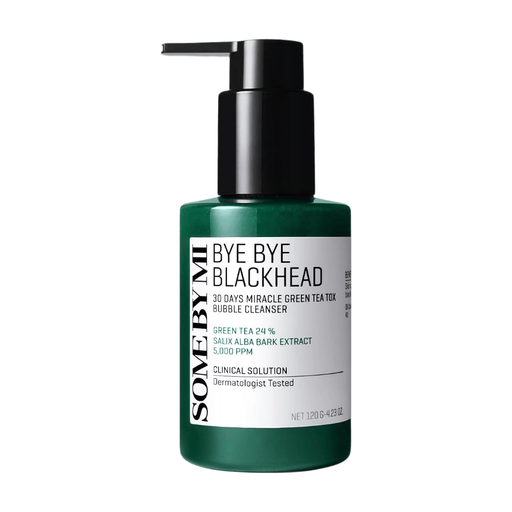
Why it suits this profile: This bubble cleanser is aimed at oily or combination skin and users who pay particular attention to blackheads and congested pores.
The instructions state a contact time of 3–5 minutes and recommend a patch test. As it contains AHA/BHA-related ingredients and peppermint oil, it is sensible to introduce it gradually.
120 g size; bubble formula; product information mentions green tea, clay-based cleansing and use for excess sebum and congested pores.
We have put together a complete, up-to-date list of products that fully meet these strict selection criteria and the applicable European safety regulations.
A cleanser for blemish-prone skin or a cleanser for blackheads and congested pores does not need to remain on the skin for a long time every day. Always follow the instructions for the specific product. If skin problems persist, it is best to seek advice from a qualified healthcare professional.
That depends on the formula and your skin. According to their product information, many products are intended for use morning and evening. Dry or sensitive skin may benefit from cleansing less often or using a shorter contact time. Stop using the product if irritation occurs and check the safety warnings.
A gel cleanser or foaming facial cleanser containing ingredients such as salicylic acid may be worth considering if you want to remove excess sebum and impurities. This does not mean that the product treats acne. Be mindful of potential fragrances, essential oils and acids if your skin reacts easily.
A 150 ml bottle can last from several weeks to several months with daily use. The actual lifespan depends on the amount used each time and whether you cleanse once or twice a day. A pump bottle or clear dosage instructions can help reduce waste. Also always check the expiry information on the packaging.
