
Vandaag of morgen in huis

Kwaliteit gegarandeerd

Welkomstaanbiedingen ontgrendelen: GRATIS bezorging | Tot 80% korting | Gratis 30 dagen JoyPlus-proefperiode
Download de app
A Korean facial cleanser can be a practical step in a daily skincare routine. However, not every foaming facial cleanser is suitable for every skin type. A formula that works well for oily skin can leave sensitive skin feeling tight and uncomfortable. Terms like “deep cleansing”, “pore care” and “glow” also tell you very little about the actual formulation.
That’s why the Joybuy Product Recommendation Officer selects products based on verifiable criteria: texture, volume, ingredients, pH information, usage instructions and warnings. This way, you avoid paying for packaging or marketing language alone.
A rich foam feels refreshing, but the amount of foam doesn’t automatically tell you how mild a product is. Instead, look at the listed cleansing ingredients, such as amino acid or coconut-based surfactants. Also check whether perfume, essential oils or any ingredients you’re sensitive to appear on the list.
A salicylic acid cleanser or a cleanser with AHA, BHA and PHA can be appealing for oily or blemished skin. However, it’s still a rinse-off cleansing product. More active ingredients don’t automatically mean better results. If you have sensitive skin, it’s wise to introduce them gradually and not use multiple exfoliating products at the same time.
“For all skin types” is no guarantee that a Korean cleanser will feel comfortable for everyone. Check the full ingredients list. Skin that reacts quickly, for example, may not tolerate fragrances or tea tree oil well. When in doubt, choose a simple formula and first test a small amount on a limited area of skin.
A low pH cleanser usually has a slightly acidic pH level. The Dr. Althea Green Relief Amino Gel Cleanser, for example, states a pH of 5.0 to 6.0. The SKIN1004 Madagascar Centella Ampoule Foam states a pH of 5. A pH value helps with comparison, but it doesn’t tell you everything about the final skin feel. Surfactants, fragrance and washing time also play a role.
Look at the INCI list rather than just the front of the packaging. Glycerin, betaine and hyaluronic acid are examples of hydrating ingredients that appear in many product descriptions. On the other hand, perfume, limonene, linalool or essential oils can be points of concern for people with reactive skin.
A mild facial cleanser doesn’t have to be completely foam-free, either. What matters most is the combination of cleansing agents, how long you use it for, and how your skin feels after rinsing.
For daily use, sizes of 100 to 150 ml are practical. A mini size of 20 or 50 ml is handy for travel or for trying out a formula first. Bear in mind that a mini isn’t always better value per millilitre. So compare the volume with the price and check the expiry information on the packaging.

Why this fits the profile: The gel texture and 100 ml volume make this a straightforward choice for anyone wanting to try a daily facial cleansing gel without buying a whole range of products at once.
The product information states a gel type, 100 ml volume and a concrete ingredients list. This means you can check the formula rather than relying solely on terms like “refreshing”.
Gel texture, 100 ml volume and glycerin in the ingredients list. The product page also states no perfume and no essential oils.
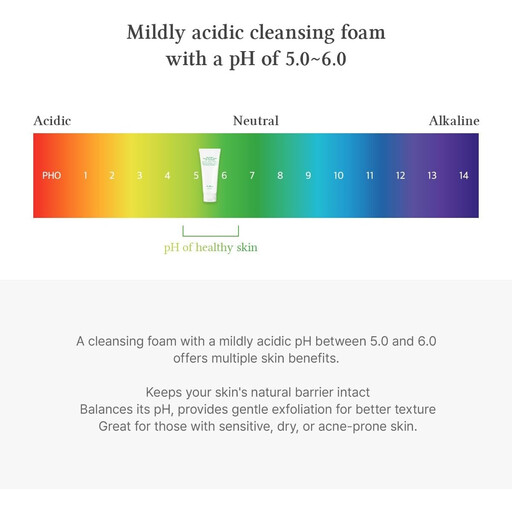
Why this fits the profile: Ideal for shoppers who want to weigh up pH information and surfactant type when making their purchase, rather than simply following a skin-type claim.
The stated pH of 5.0–6.0 and the amino acid and coconut-based cleansing agents provide more concrete information than a general claim about mildness.
100 ml gel cleanser, pH 5.0–6.0 and ingredients such as glycerin, betaine, ceramide and hydrolysed hyaluronic acid.
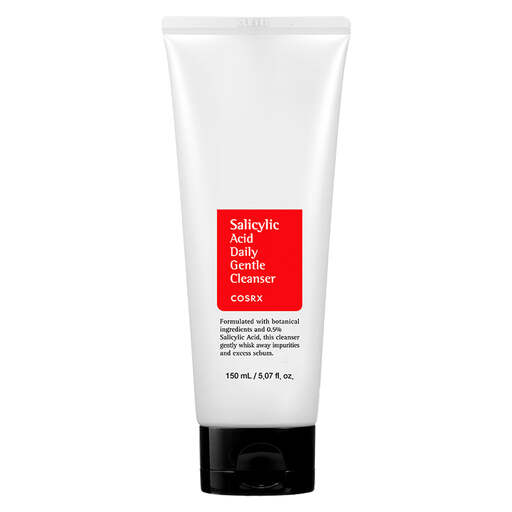
Why this fits the profile: This option is aimed at users who consciously want to incorporate salicylic acid into their cleansing routine and follow the recommended usage warnings.
The product information specifically states 0.5% salicylic acid. This makes it easier to distinguish this product from cleansers where “pore care” isn’t explained further.
150 ml volume, 0.5% salicylic acid according to the product information and glycerin in the formula. The description also mentions tea tree oil and willow bark water.
Wet your face with lukewarm water, take a small amount and massage gently with your fingertips. Rinse thoroughly and pat your skin dry. With a foaming facial cleanser, there’s no need to scrub hard. Don’t automatically use a cleanser with acids more often just because your skin feels oily.
Keep the following points in mind:
We’ve put together a full, up-to-date list of products that fully meet these strict selection criteria and comply with current European safety regulations.
That depends on the formula and how your skin reacts. A simple gel or foam cleanser without strong active ingredients is often recommended for daily use. Always check the usage instructions and stop if irritation occurs.
Look for a low pH cleanser or a salicylic acid cleanser if you’re specifically seeking these ingredients. The product information states 0.5% salicylic acid for the Salicylic Acid Daily Gentle Cleanser. This is product information from the brand and not a guarantee of a particular skin result. For persistent skin concerns, you can consult a GP or dermatologist.
A 100 to 150 ml bottle can last several weeks to months with daily use, depending on how much you use per wash. A mini size of 20 or 50 ml is mainly suitable for travel or for first determining whether the texture and formulation suit you. Always check the exact expiry date on the packaging.
