
Vandaag of morgen in huis

Kwaliteit gegarandeerd

Welkomstaanbiedingen ontgrendelen: GRATIS bezorging | Tot 80% korting | Gratis 30 dagen JoyPlus-proefperiode
Download de app
Choosing a Korean facial cleanser might seem straightforward, but the options vary widely in texture, cleansing power and ingredients. A cleansing oil works differently from a cleansing gel or foam. Even a popular packaging design says little about whether it suits your skin.
The most common buying pitfalls are:
Your skin type and daily habits determine which type of facial cleanser makes sense.
Double cleansing usually means you start with an oil or balm, followed by a water-based cleanser. This is especially useful when you need to remove make-up or water-resistant sunscreen. On a make-up-free day, one suitable facial cleanser is often enough.
A low-pH cleanser typically has an acidity level closer to that of your skin. This can feel comfortable for some users, but “low pH” alone doesn’t automatically make a product suitable for every skin type.
Also look at the ingredients list. Glycerin, betaine, hyaluronic acid and certain plant extracts are commonly used in hydrating formulas. Fragrance, essential oils and some active ingredients may be less suitable for sensitive users. Always check the current packaging, as formulations can change.
With a facial cleanser for acne-prone skin, caution is important. A product containing salicylic acid may, according to the product description, help cleanse oily or blemished skin, but this is not a medical treatment. Use it as directed on the label and stop if irritation occurs.
Don’t just compare the price – also compare the volume and amount used per wash. A pump bottle makes dispensing easy; a tube is handy for travel. Also check:
A larger pack isn’t automatically better value if the formula isn’t pleasant enough to use every day.

Why this fits the profile: The gel texture and 100 ml tube are straightforward for anyone starting out with Korean skincare and looking for a daily cleanser.
The product information states a light gel cleanser without essential oils and without fragrance. Check the current ingredients list on the packaging.
100 ml, gel texture, use on damp skin and an ingredients list including glycerin and mild cleansing agents.
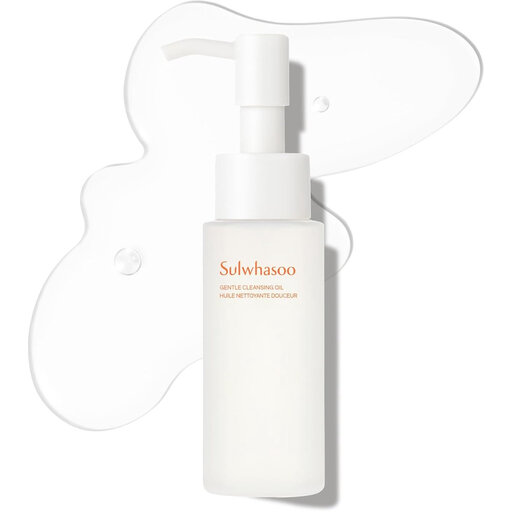
Why this fits the profile: The small pump bottle is ideal for anyone wanting to try an oil cleanser or looking for a compact option for travel.
The usage instructions describe emulsifying with water before rinsing off. This helps minimise any oily residue after cleansing.
50 ml, pump packaging and use on dry hands and a dry face. The product information mentions jojoba, grapeseed and apricot kernel oils.
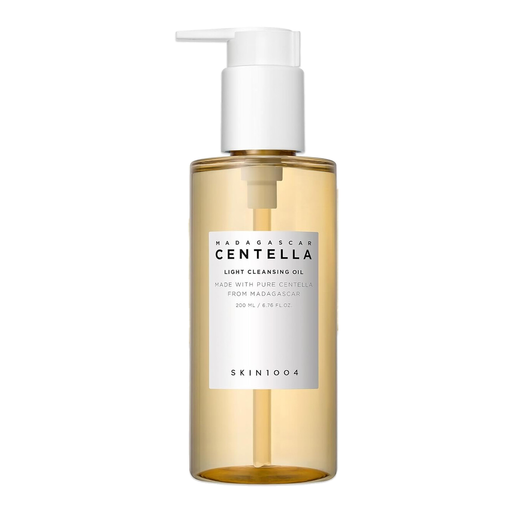
Why this fits the profile: The 200 ml volume suits regular use of a cleansing oil, for example with daily make-up or sunscreen.
The description mentions a light texture and rinsing off with lukewarm water. Follow the instructions and, if needed, follow up with a water-based cleanser.
200 ml, pump bottle and six plant-based oils according to the product information. Designed for make-up, sebum and daily double cleansing.
Use a gel or foam on damp skin and massage without rubbing too hard. Rinse off with lukewarm water and pat dry. With a cleansing oil or balm, start with dry hands on a dry face. Then add water until a milky emulsion forms.
If you have sensitive skin, it’s best to introduce one new product at a time. Test a small amount according to the product instructions and stop if you experience redness, itching, swelling or a burning sensation. A facial cleanser for acne-prone skin does not replace advice from a doctor or dermatologist.
We’ve put together a full, up-to-date list of products that fully meet these strict selection criteria and comply with current European safety regulations.
That depends on the formula and your skin. Many gels and foams are intended for daily use, but always check the label. A tight or burning sensation is a sign to cleanse less often or choose a different formula.
Not always. Double cleansing can be useful for removing make-up, sunscreen or if you have oily skin at the end of the day. Start with a cleansing oil or cleansing balm, then follow with a gentle facial cleanser. Without such products, one cleanser is often enough.
The length of use depends on the volume and the amount used per wash. A product of 150 to 200 ml typically lasts longer with daily use than a miniature, but always check the symbol for the period after opening and the shelf life information on the packaging.
