
Vandaag of morgen in huis

Kwaliteit gegarandeerd

Welkomstaanbiedingen ontgrendelen: GRATIS bezorging | Tot 80% korting | Gratis 30 dagen JoyPlus-proefperiode
Download de app
A Korean cleanser can effectively remove make-up, sebum and dirt, but not every facial cleanser is right for every skin type. A product that works well on oily skin can leave dry or sensitive skin feeling tight and uncomfortable. What’s more, marketing terms like “glow”, “deep cleansing” and “acne control” aren’t enough to base a purchase on.
With this practical guide, you can focus on the formula, how to use it and what’s inside. That way, you’ll avoid buying a product that ends up sitting unused in your bathroom after just a few goes.
A cleansing oil is great for breaking down make-up, sunscreen and oily residue. But that doesn’t automatically mean one step is enough for everyone. If you wear a lot of make-up or waterproof sun protection, you might prefer to follow up with a cleansing foam or gel cleanser.
Also, pay attention to the instructions. Many oils are applied to dry skin and then emulsified with water into a milky texture. Without this step, a greasy film can be left behind.
A low pH cleanser can be appealing for daily use, but the acidity level doesn’t tell you everything. The surfactants, fragrances, essential oils and exfoliating ingredients also determine how a formula feels on your skin.
So a gentle facial cleanser isn’t automatically suitable for sensitive skin. Always check the full ingredients list, and stop using it if you experience redness, a burning sensation, itching or swelling.
AHA, BHA and PHA are used for exfoliation, but they’re not a reason to skip your regular cleanse. A peeling gel or exfoliating toner should be used as an extra step, and in moderation. What’s more, some products in this category are intended for the body, not the face.
For example, the Some By Mi AHA-BHA-PHA Body Cleanser is explicitly a body cleanser. The product information states it’s for the body, with extra attention to the back, chest and shoulders. Don’t use this type of product on your face unless the packaging clearly says you can.
First, choose based on your routine:
A cleansing oil like the Beauty of Joseon Ginseng Cleansing Oil 210 ml is, according to the product description, massaged onto dry skin and then rinsed off with lukewarm water. It contains 210 ml and comes in a pump bottle.
For dry skin, look for glycerine, oils and other moisturising ingredients. For oily or combination skin, many people choose a light gel cleanser or a formula with salicylic acid. This ingredient can be too harsh for some, especially with frequent use.
A cleanser for acne-prone skin is not a medicine and doesn’t guarantee it will prevent spots. So treat claims about sebum regulation or calming the skin as product information from the brand, not as a proven medical result.
For sensitive skin, a short ingredients list, a fragrance-free formula and avoiding essential oils are possible points to consider. Always test a new product on a small area of skin first.
Compare the size with how often you’ll use it. A 50 ml mini is handy for travel or trying out a formula, while 150 to 210 ml can be more practical for daily use.
Also check:
Use lukewarm water and massage without scrubbing hard. A longer or more vigorous cleanse doesn’t automatically make a product more effective.
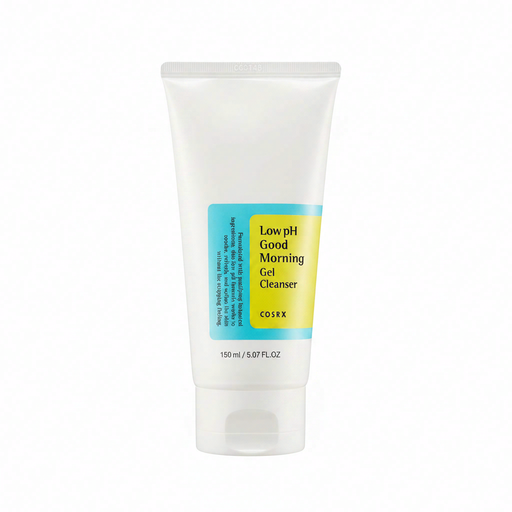
Why this fits the profile: The 50 ml packaging is a straightforward way to try out a low pH cleanser or take it with you when travelling.
The product information states the gel texture, a low pH and use on a damp face. So you know in advance how to apply the cleanser.
50 ml, gel texture, low pH and, according to the product description, suitable for morning use.
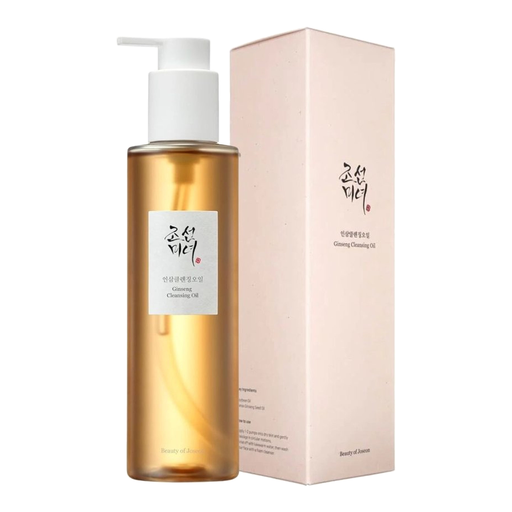
Why this fits the profile: The 210 ml pump bottle is ideal for a regular evening routine with make-up or sun protection.
The instructions clearly describe emulsifying with water. This makes the practical difference between breaking down oil and rinsing it off clear.
210 ml, pump packaging and ingredients such as soybean oil, olive oil and ginseng seed oil according to the listed product information.
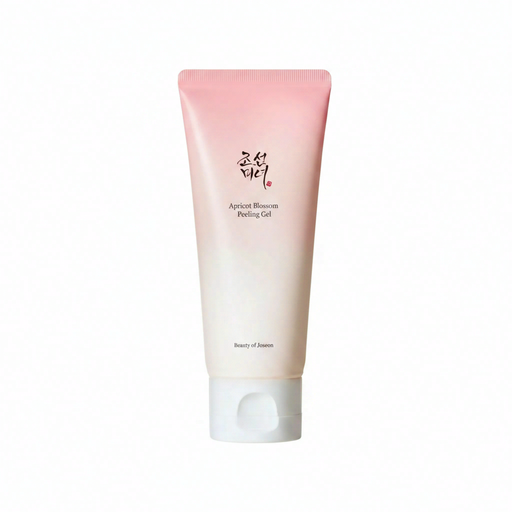
Why this fits the profile: For users who want to add an occasional separate exfoliation step alongside a daily cleanser.
The instructions mention a frequency of once or twice a week. This makes it clear that the product is not a daily facial cleanser.
100 ml, cellulose as an exfoliating component and, according to the product information, free from fragrance and essential oils.
We’ve put together a full, up-to-date list of products that fully meet these strict selection criteria and comply with current European safety regulations.
That depends on the formula. A standard gel cleanser or foam is often intended for daily use according to the label. A peeling gel and products with AHA, BHA or PHA require more restraint. Always follow the instructions and reduce how often you use it if irritation occurs.
Not always, but many people choose a double cleanse in the evening: first oil to break down make-up and sun protection, then a gel cleanser or foam to rinse away any residue. With a light routine, one gentle cleanser can be enough.
How long it lasts depends on the size and how often you use it. A 150 to 210 ml bottle used daily will generally last longer than a 50 ml mini. After opening, check the symbol and information on the packaging. Store the product in a cool, dry place away from direct sunlight.
