
Vandaag of morgen in huis

Kwaliteit gegarandeerd

Welkomstaanbiedingen ontgrendelen: GRATIS bezorging | Tot 80% korting | Gratis 30 dagen JoyPlus-proefperiode
Download de app
Choosing a Korean facial cleanser sounds simple until you have to decide between a cleansing oil, cleansing balm, cleansing foam, gel cleanser or micellar water. Marketing terms such as “deep cleansing”, “pore care” and “glow” say little on their own about whether a product is suitable for everyday use.
The right choice mainly depends on your skin type, make-up habits and the list of ingredients. Below, you’ll find out which features to check, which pitfalls to avoid and which products suit different situations.
Lots of foam does not automatically mean that a facial cleanser cleans better. A strongly degreasing product can leave your skin feeling tight after washing, particularly if you have dry or sensitive skin. This feeling is sometimes interpreted as being “extra clean”, but it can also indicate that the formula is not right for your skin.
So pay attention to the type of cleanser, the recommended skin types and the directions for use. A gel cleanser or mild foam may be more suitable for everyday use than an intensely cleansing formula.
A cleansing oil is generally most practical when applied to dry skin with dry hands. This allows the oil to loosen make-up, sun cream and sebum. Then add water to emulsify the oil and rinse thoroughly.
According to the product descriptions for SKIN1004 and Beauty of Joseon, among others, this method is intended to loosen make-up and impurities. Always check the instructions on the packaging, as application may vary from one product to another.
A product described in its product information as suitable for all skin types will not automatically feel comfortable for every user. Fragrances, essential oils, exfoliating acids and certain plant extracts may be less suitable for some people.
So check the full INCI list. If you have sensitive skin, it is advisable to test a small amount on a limited area of skin first. Stop using the product if you experience redness, itching, a burning sensation or swelling, and follow the safety information on the packaging.
With double cleansing, you first use an oil or balm cleanser, followed by a water-based cleanser. This can be useful when wearing make-up or waterproof sun cream, or if your skin feels noticeably greasy.
A cleansing oil or cleansing balm is not always needed in the morning. For many routines, a gel cleanser, foam or lukewarm water is enough, depending on your skin and the product recommendations. Micellar water is practical for removing make-up, but check whether rinsing is recommended.
A low pH cleanser is formulated with an acidity level closer to the skin’s natural acid mantle. However, the pH value alone does not determine whether a product feels comfortable. Also look at:
Also check the expiry date, batch information and the period after opening, where stated on the packaging.

Why it suits this profile: This gel cleanser is a straightforward first step for anyone who does not need double cleansing and is looking for a product for everyday use. The size is 100 ml.
The product information describes a lightweight gel texture and states that it contains no fragrance or essential oils. Always check the current packaging and ingredients list yourself.
Gel cleanser; 100 ml; product information mentions glycerine, green tea and plum water.
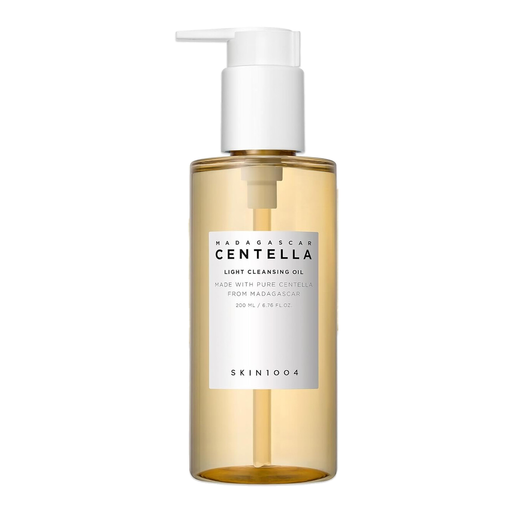
Why it suits this profile: This Korean oil cleanser is suitable for users who want to loosen make-up, sun cream and excess sebum as the first step in a double-cleansing routine.
The instructions state that the oil should be applied to a dry face and then rinsed off with lukewarm water. This helps prevent incorrect use on wet skin.
200 ml; lightweight oil formula; according to the product information, formulated with six plant oils and Madagascar centella.
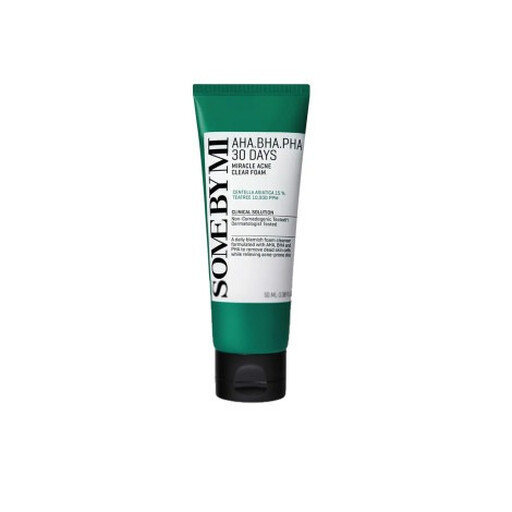
Why it suits this profile: The 50 ml mini is practical for anyone who wants to try a cleanser with exfoliating ingredients on a smaller scale first.
The smaller pack helps reduce waste if acids do not suit your skin. Use according to the label and take care when combining it with other exfoliants.
50 ml; foam cleanser; product information mentions salicylic acid and AHA/BHA/PHA.
We have compiled a complete, up-to-date list of products that fully meet these strict selection criteria and the applicable European safety regulations.
Not always. A cleansing oil or balm is particularly practical when wearing make-up or waterproof sun cream, or if your skin produces a lot of sebum. You then use a water-based gel cleanser or foam. Without these products, one mild facial cleanser may be sufficient.
This depends on the formula and your skin. A mild gel cleanser is often used in the morning and evening, in line with the product recommendations. A cleanser containing exfoliating acids requires more caution. Always check the label and stop using it if irritation occurs.
How long it lasts depends on the size and how much you use each time you wash. A 150 to 200 ml bottle will generally last longer with daily use than a 30 or 50 ml mini. Also check the expiry information and the period-after-opening symbol on the packaging.
