
Vandaag of morgen in huis

Kwaliteit gegarandeerd

Welkomstaanbiedingen ontgrendelen: GRATIS bezorging | Tot 80% korting | Gratis 30 dagen JoyPlus-proefperiode
Download de app
A Korean facial cleanser can become a regular part of your daily skincare routine, but not every cleanser suits every skin type. A rich cleansing foam can feel pleasant on oily skin, while dry or sensitive skin may respond better to a gentle cleansing gel. Japanese products, such as Senka and Sana, also offer interesting alternatives within Korean skincare.
However, the product name alone tells you very little. Pay particular attention to the ingredients list, texture and directions for use. This helps you avoid buying a facial cleanser that is too drying, does not fit well into your routine or ends up unused in the bathroom after a short time.
A tight or taut feeling after washing is sometimes seen as proof that your skin is thoroughly clean. It may also indicate that the cleanser is removing too much of your skin’s natural oil. This can be uncomfortable, particularly for dry, sensitive or combination skin.
Look for mild surfactants, hydrating ingredients such as glycerine and a texture you will enjoy using every day. Even if the packaging says a product is suitable for daily use, suitability is still personal: stop using it if you experience redness, irritation or a burning sensation.
Terms such as “pore cleansing”, “anti-acne” or “purifying” sound appealing, but they do not automatically describe a guaranteed result. A brand’s own research or product information may mention certain ingredients for this purpose, but the effect is not established for every user.
A salicylic acid cleanser, for example, contains an ingredient often chosen by people with oily or blemish-prone skin. Always check the concentration, other ingredients and warnings. Salicylic Acid Daily Gentle Cleanser lists 0.5% salicylic acid. This is a verifiable product specification, not a promise that spots will disappear.
A 200 ml tube may automatically seem better value than a 100 ml tube, but the amount used and the texture also matter. A compact cleansing foam can be economical when a small amount creates plenty of lather. A gel may be easier to measure out.
Compare the volume, recommended use and how you intend to use the cleanser: in the morning only, twice a day or as the second step after an oil or balm cleanser.
A cleansing foam creates an airy or creamy feel and suits consumers who like a visibly foaming step in their routine. A cleansing gel usually feels lighter and may be suitable for a simple morning routine. A lotion-to-foam formula changes from a smooth lotion into a foam as you massage it in.
Also pay attention to the directions for use. Most products are used on a damp face, but according to the product information, some gels can first be massaged into dry skin.
Check the ingredients list before buying, especially if you have previously reacted to fragrance, alcohol, essential oils or certain preservatives. Product information may also provide details about pH, vegan claims, dermatological testing or hypoallergenic properties. These are product claims made by the brand or seller and do not guarantee your personal experience.
Use a new cleanser sparingly at first and avoid contact with the eyes. Stop using it if irritation occurs. Always follow the label, expiry information and safety instructions on the packaging.

Why it suits this profile: The lightweight gel texture and 100 ml size make this a straightforward choice for anyone starting out with Korean skincare and looking for a simple daily cleanser.
The product information describes a gel for daily cleansing and hydration, so you do not have to start with an intensive clay or acid product.
100 ml; gel texture; ingredients list containing glycerine and several plant extracts; listed as free from fragrance and essential oils.
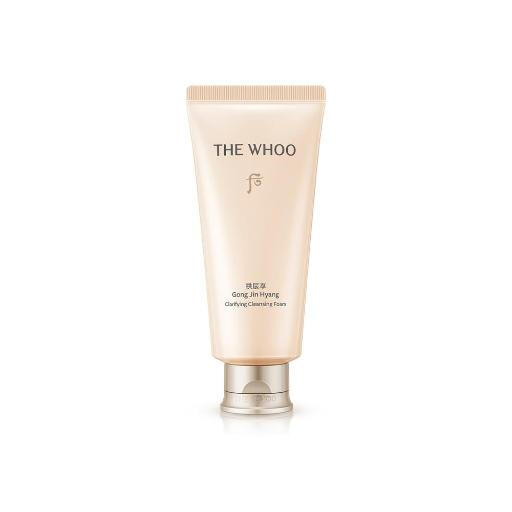
Why it suits this profile: If you value a larger pack and a rich cleansing foam, this Korean foam cleanser is worth considering.
The product specification states 180 ml and a usage time of 30–60 seconds. This lets you factor volume and usage into your comparison in a practical way.
180 ml; cleansing foam; product information lists ginseng extract, liquorice extract, pearl powder and mild surfactants.
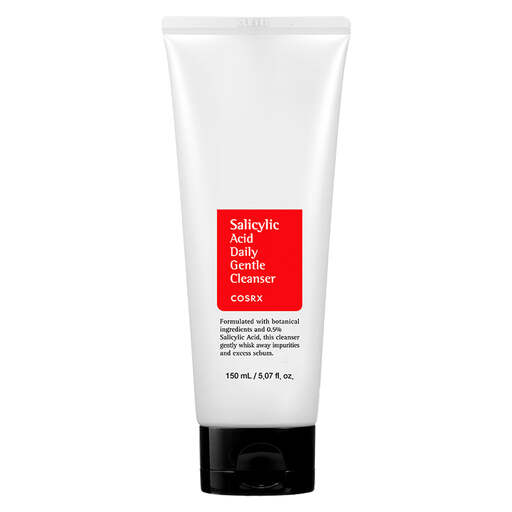
Why it suits this profile: The formula is aimed at consumers who pay extra attention to sebum, blemishes and ingredients such as salicylic acid.
The listed concentration of 0.5% salicylic acid makes the formula easier to compare than a vague claim about “deep” cleansing. A patch test is still advisable.
150 ml; 0.5% salicylic acid according to the product information; tea tree oil and willow bark water listed in the ingredients list.
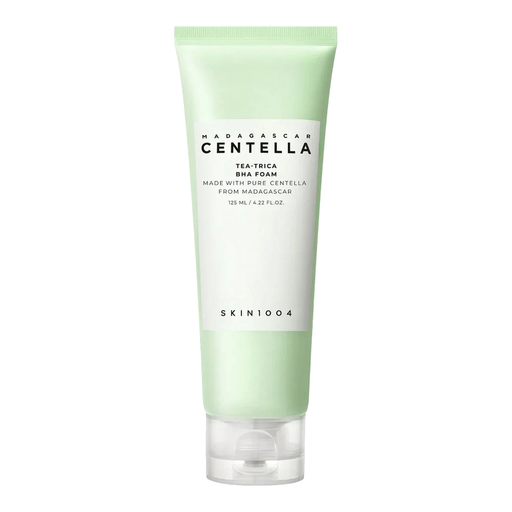
Why it suits this profile: This cleansing gel is suitable for anyone who considers a stated pH value and a lightweight gel texture important for their daily routine.
The product information states a pH of 5.5. It also clearly describes directions for use and safety instructions, rather than relying solely on general marketing language.
125 ml; cleansing gel; pH 5.5 according to the product listing; contains Centella Asiatica extract and tea tree oil.
We have put together a complete, up-to-date list of products that fully meet these strict selection criteria and the applicable European safety requirements.
Wet your face with lukewarm water and use a small amount of cleanser. Massage gently without rubbing hard. Rinse thoroughly and pat your skin dry with a clean towel. If you wear make-up or water-resistant sun cream, you may need an initial cleansing step before using a facial cleanser.
Start with a new formula once a day. If your skin responds well, you can adjust the frequency according to the label and your own routine. Store the tube in a cool, dry place, close the packaging securely and check the expiry information on the packaging.
Look for a simple formula without ingredients you have reacted to in the past. A low-pH cleanser or gentle gel may be practical, but even a low-pH product is not automatically suitable for everyone. Check for fragrance, essential oils and the warnings. Test a new cleanser on a small area of skin first.
This depends on the volume, the amount used each time and whether you use the product once or twice a day. Tubes in this range include 100, 120, 125, 150 and 180 ml, while some Japanese Sana products contain 200 ml. You will find the expiry date and batch information on the packaging.
Some products are marketed for daily use according to their product information, but individual tolerance varies. Check the stated concentration and do not combine several exfoliating products without careful consideration. Stop using the product if irritation occurs and seek advice from a doctor or dermatologist if skin problems persist.
