
Vandaag of morgen in huis

Kwaliteit gegarandeerd

Welkomstaanbiedingen ontgrendelen: GRATIS bezorging | Tot 80% korting | Gratis 30 dagen JoyPlus-proefperiode
Download de app
A good facial sunscreen needs more than a high sun protection factor. Its texture, ingredients, finish and the amount you need all affect whether you will continue to enjoy using it every morning. If you are looking for Korean facial sunscreen SPF50, you will also come across many terms such as “glass skin”, “no white cast” and “barrier repair”. These terms do not always tell you enough about the product’s practical features.
In this buying guide, the Joybuy Product Recommendation Officer outlines the key points to consider. This allows you to compare products based on verifiable specifications rather than marketing claims alone.
SPF mainly indicates protection against UVB rays, which can cause redness and sunburn, among other effects. An additional indication is needed for UVA protection. Korean products often display PA+++ or PA++++. This is a classification used in the Asian market and is not exactly the same as the European UVA logo. So always check the full product information and packaging.
A product with SPF50+ has also only been assessed under the stated test conditions. Applying a thin layer does not provide the same protection as the amount used in the SPF test.
A light sunscreen with chemical filters often leaves less visible residue than a mineral sunscreen with zinc oxide or titanium dioxide. However, your skin tone, the amount applied and how you rub it in can all affect the result. A mineral formula can remain visible, especially on darker skin.
A tint can partially conceal this, but it can also transfer colour onto clothing. So test a tinted sunscreen on your jawline first and let the formula absorb for a few minutes.
A moisturising sunscreen can feel comfortable on dry skin, but a shiny finish may feel less pleasant on oily or combination skin. Conversely, a matte sunscreen can feel tight on dry skin.
Pay attention to the formula as a whole. Glycerine, propanediol, hyaluronic acid and rice extract are often used to create a comfortable feel on the skin. Silicones, powders and light emollients can create a smoother or more matte finish. Also check for fragrance, alcohol and essential oils if your skin reacts easily.
Many consumers choose SPF50 or SPF50+ for daily use on the face. Also look for an indication of UVA protection, such as the European UVA symbol or information from the manufacturer. A product may be suitable for daily use, but it is not necessarily water-resistant.
Apply sunscreen as the last step in your morning routine. You need a generous amount for your face and neck; as a practical guideline, you can use two finger lengths for your face and neck, unless the packaging specifies a different dose. Reapply approximately every two hours during prolonged exposure, and after swimming, sweating or drying yourself.
Chemical sun filters such as Diethylamino Hydroxybenzoyl Hexyl Benzoate and Ethylhexyl Triazone are found in several Korean formulas. They often make a light, easy-to-spread texture possible.
Mineral sunscreen uses ingredients such as zinc oxide or titanium dioxide. This option may suit consumers who prefer this type of filter, but a white cast cannot always be avoided completely. For example, SKIN1004 Air-Fit Suncream Light lists zinc oxide as a mineral filter and has a light texture. Check the exact SPF level carefully: the product information provided states SPF30, not SPF50.
If you wear sunscreen under make-up, look for terms such as non-greasy, quick absorption, matte finish or no white cast. These descriptions come from product information and are not a guarantee for every skin type.
Fragrance-free products may be a logical choice if you are sensitive to fragrances. That does not automatically mean irritation is impossible. Always check the full ingredients list and, if you have sensitive skin, test the product on a small area of skin first.
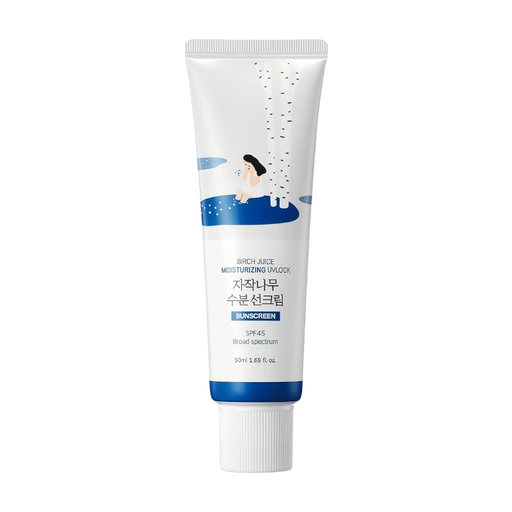
Why This Fits Their Persona: A practical option if you want to add a daily SPF50 facial formula to your Korean skincare routine.
The ingredients list includes several chemical UV filters, making it easier to assess the product than relying solely on a marketing description such as “light”.
50 ml; contains glycerine, sodium hyaluronate and hyaluronic acid ingredients according to the stated INCI list.

Why This Fits Their Persona: Suits you if you are looking for a moisturising sunscreen that, according to the product description, feels light and can be worn under make-up.
The product information describes a fragrance-free formula and a cream texture. This helps you compare fragrance and feel without making a general claim about suitability.
Lists SPF50+ PA+++; contains 30% rice extract and various fermented ingredients according to the ingredients list.
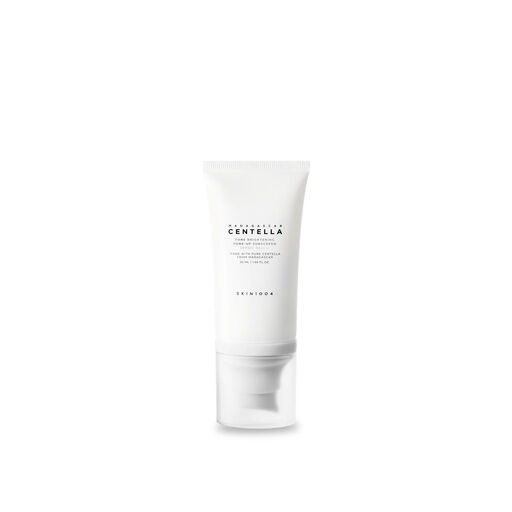
Why This Fits Their Persona: A tinted option if you are looking for a light peach-coloured finish rather than a completely transparent sunscreen.
The product details list titanium dioxide, chemical filters and iron oxides. The tint is therefore clearly reflected in the ingredients.
50 ml; lists SPF50+ and PA++++; contains centella asiatica, madecassoside and sodium hyaluronate according to the product list.
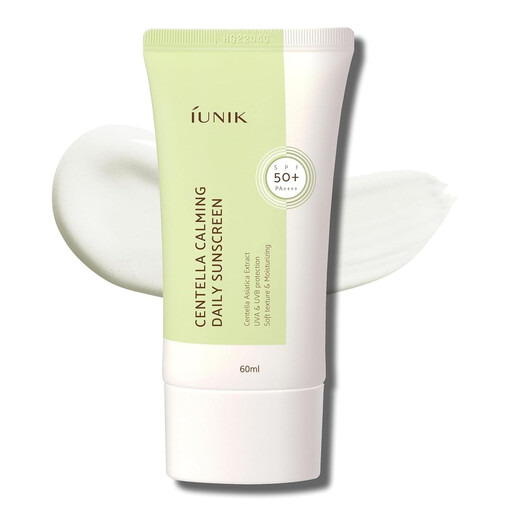
Why This Fits Their Persona: Suitable if you are looking for daily UVA and UVB protection and prefer to avoid fragrance in a light formula.
The product description explicitly states that it contains no fragrance and recommends reapplying after swimming or sweating.
60 ml; lists SPF50+ PA++++ and protection against UVA and UVB rays.
Browse a current selection of facial products with SPF and compare filter type, texture, finish and contents based on the product information.
Shelf life varies by product and is stated on the packaging. Ideally, note the date you open it and look out for changes in smell, colour or texture. Store sunscreen in a cool place away from direct sunlight. An opened tube that has been left in a hot car for a long time may become less pleasant to use.
That depends on the texture and the make-up you use. A light sunscreen that absorbs quickly may be more practical than a rich or heavily tinted formula. Apply your skincare first, let it absorb briefly and spread the sunscreen evenly. Then wait until the layer feels comfortable before applying make-up.
No. Fragrance-free only means that no fragrance has been added, according to the product information. Other ingredients may still cause sensitivity. Check the ingredients list, use a small amount first and stop if you experience redness, itching or swelling. Consult a doctor or dermatologist if symptoms persist.
