
Vandaag of morgen in huis

Kwaliteit gegarandeerd

Welkomstaanbiedingen ontgrendelen: GRATIS bezorging | Tot 80% korting | Gratis 30 dagen JoyPlus-proefperiode
Download de app
A Korean face sunscreen SPF 50 is often known for its thin texture, nourishing ingredients and a finish without white cast. Yet an attractive package or a long ingredient list can easily lead you astray. The right choice depends mainly on the UV classification, the type of filter, the texture and how you plan to use it.
SPF mainly refers to protection against UVB radiation. For UVA protection, Korean products often carry the PA++++ rating. This marking is useful when comparing products, but it is not a European legal classification. So also check whether the packaging and product information comply with current European cosmetics and labelling regulations.
A product with SPF 50+ is not a free pass to stay in the sun indefinitely. Applying a generous layer and reapplying regularly remain essential.
A mineral sunscreen typically uses zinc oxide, sometimes supplemented with titanium dioxide. These formulas can leave a visible light cast, especially when you apply a generous amount or have a deeper skin tone. The Haruharu Wonder Black Rice Pure Mineral Sunscreen itself states that zinc oxide can initially give a slight white cast and needs to be spread carefully.
Chemical sun filters often absorb more transparently. That doesn't automatically mean every formula feels light or comfortable. Also pay attention to silicones, oils, alcohol and the overall texture.
Rice extract, centella, niacinamide and hyaluronic acid can make a formula appealing for daily skincare. According to product descriptions, these ingredients are used for hydration or a comfortable skin feel. However, they do not change the product's protection value. So look first at SPF, UVA rating, usage advice and shelf life.
For daily use in the UK, a face sunscreen SPF 50+ is a practical choice when you want high protection. Apply the product as the last step of your morning routine, to your face, ears and neck. Many product instructions advise applying it around 15 to 30 minutes before sun exposure.
Reapply when outdoors, if you sweat or after towel drying. The instruction "every two hours" is especially relevant during prolonged exposure. A lightweight sunscreen under make-up therefore calls for a formula you can spread in thin layers without pilling.
Note the difference between:
Oily skin can benefit from a watery or gel-like formula. Dry skin often feels more comfortable with a hydrating face sunscreen containing glycerine, hyaluronic acid or a richer lotion texture. For sensitive skin, it's wise to assess perfume, known allergens and a long list of botanical extracts individually. Stop if you experience redness, itching or swelling and follow the safety instructions on the packaging.
A standard size of 50 ml is suitable for daily use in your toiletries bag. A travel-size sunscreen of 15 or 20 ml is more convenient for hand luggage, work or a weekend away, but runs out faster. Always check the net volume: in the product information of some minis, there can be a difference between the product name and the stated contents.
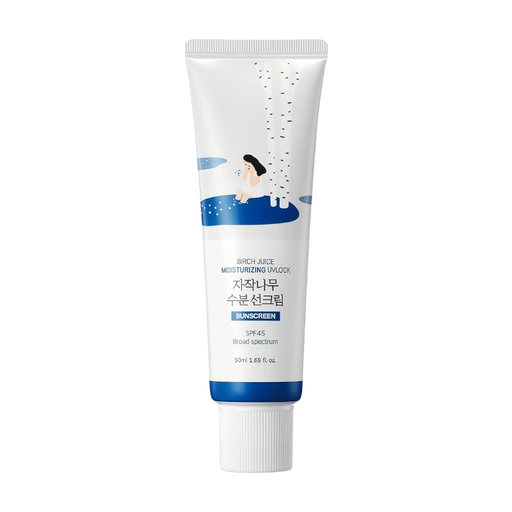
Why this fits the profile: The standard size and nourishing, lotion-like formula make this a straightforward starting point for daily use.
The filter information is clearly stated and the formula uses chemical UV filters, making a mineral white cast less likely.
50 ml; glycerine, birch sap and two forms of hyaluronic acid are listed in the ingredients.
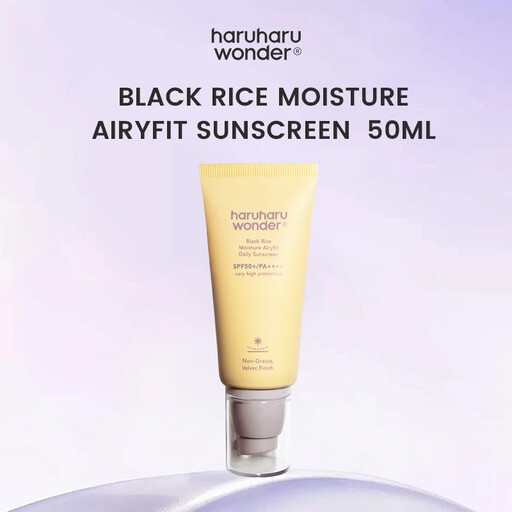
Why this fits the profile: The combination of SPF50+, PA++++ and a lightweight finish suits users looking for a well-groomed daily base under make-up.
According to the product description, the texture is light and non-greasy; the formula does not use zinc oxide as a listed UV filter.
50 ml; SPF50+ and PA++++; ingredient list includes rice extract, niacinamide and ceramide NP.
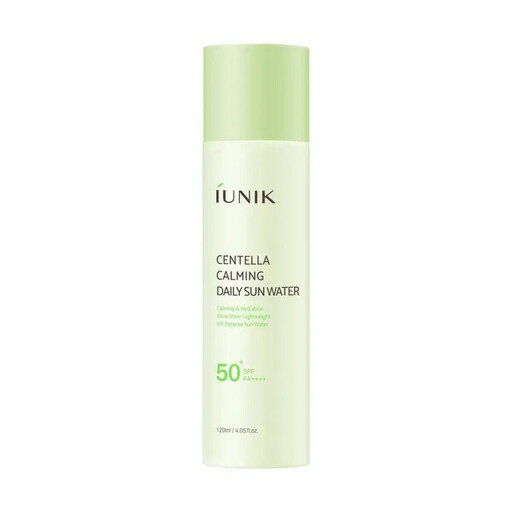
Why this fits the profile: The larger size is practical when you reapply often to your face and neck, for example during your commute or long days outdoors.
The product information explicitly states that this sunwater formula is not water-resistant. So use a different product for swimming or heavy sweating.
120 ml; SPF50+ PA++++; watery texture with centella, panthenol and hyaluronic acid according to the product information.
We've put together a full, up-to-date list of products that fully meet these strict selection criteria and comply with current European safety regulations.
It can be, provided the formula is thin enough and doesn't pill with your skincare or foundation. First apply an even layer and let it set briefly. A lightweight formula without a greasy feel, such as an airy-fit, serum or water texture, is often practical under make-up. If in doubt, test it on a small area of skin first.
During prolonged exposure, every two hours is generally recommended. Reapply after swimming, exercise, heavy sweating or towel drying. For a normal working day indoors, the practical frequency may differ, but a morning application remains important when you go outside.
Use the shelf-life information and batch number on the packaging. Store sunscreen in a cool, dry place away from direct sunlight and high temperatures. If the smell, colour or texture changes noticeably, do not use the product. The stated shelf life also only applies when the product has been stored according to the instructions.
