
Vandaag of morgen in huis

Kwaliteit gegarandeerd

Welkomstaanbiedingen ontgrendelen: GRATIS bezorging | Tot 80% korting | Gratis 30 dagen JoyPlus-proefperiode
Download de app
Korean face serums are popular because there are so many formulas available for hydration, uneven skin tone, redness and fine lines. However, having such a wide choice makes comparing products difficult. A serum with eye-catching claims or a long ingredients list is not automatically right for your skin.
Pay particular attention to these three common pitfalls:
A face serum works best when it has one clear purpose in your routine. Use the guide below as a starting point:
According to the brands’ product descriptions, these ingredients may help create a more even, smoother or more hydrated appearance. These are not medical claims, and results may vary from person to person.
A stated concentration is only useful if you also know how to use the product. According to the product information, the SKIN1004 Azelaic Acid 10% Ampoule contains 10% azelaic acid and is free from niacinamide. The recommended starting point is to use the ampoule every other day.
According to the ingredients list, ANUA Azelaic Acid 10 Hyaluron Redness Soothing Serum also contains azelaic acid, along with panthenol, hyaluronic acid, niacinamide and betaine salicylate, among other ingredients. The directions advise starting with 1–2 drops, once or twice a week. This difference shows why you should not look only at “10%”: the overall formula and recommended introduction schedule also matter.
Most Korean face serums in this selection contain 30 ml, although some products are larger. Hyaluronic Acid Hydrating Serum, for example, is available in a 100 ml size. A larger size can be practical when you use a simple hydrating serum every day, but it is less convenient if you want to try out an active formula first.
Always check the expiry date, batch information and period after opening shown on the packaging. Store vitamin C serum, retinal serum and other light-sensitive formulas according to the instructions, usually tightly closed and away from direct sunlight. Wear sunscreen during the day when advised in the product information, particularly when using products containing retinal, retinol, vitamin C or exfoliating ingredients.
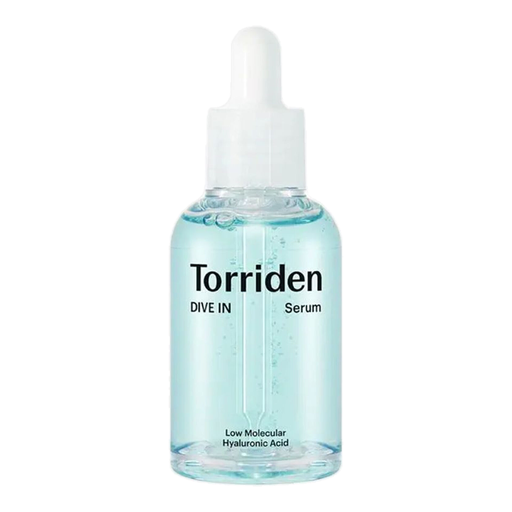
Why it suits this profile: According to the product information, the formula is designed to hydrate and contains five forms of hyaluronic acid, panthenol, ceramide NP and beta-glucan. This makes it a straightforward choice for a first serum.
The focus is on hydrating ingredients rather than combining several strong actives. This makes the routine easier to build gradually.
50 ml contents; fragrance-free according to the product description; suitable for use in the morning and evening according to the directions.
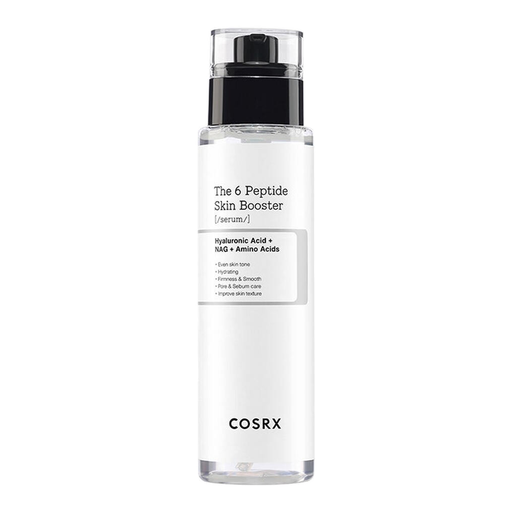
Why it suits this profile: According to the listed ingredients, this peptide serum contains six peptides, niacinamide, adenosine and sodium hyaluronate. The large size suits users looking for one multifunctional step.
The active ingredients are clearly listed in the product information. This makes it easier to compare the formula with other anti-ageing serums.
150 ml contents; six named peptides; use after toner in the morning and/or evening according to the product information.
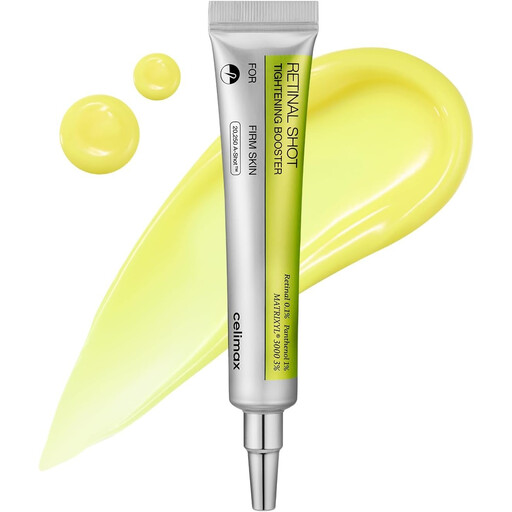
Why it suits this profile: According to the product description, this retinal serum contains 0.1% retinal and 3% Matrixyl 3000. It is intended for users who want to target texture and fine lines and can follow a gradual introduction schedule.
The directions specify night-time use, a small amount and gradually building up to every-other-day use. This helps prevent overuse.
0.1% pure retinal according to the product information; 15 ml; warning about sun sensitivity and advice to wear sunscreen during the day.
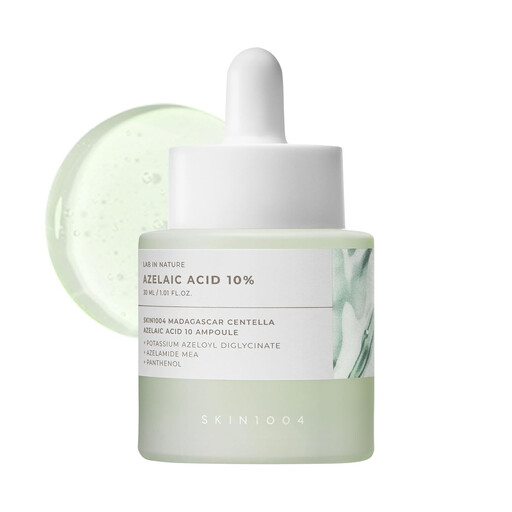
Why it suits this profile: The product information lists a formula that is free from niacinamide and contains 10% azelaic acid and Centella Asiatica. This may suit users who deliberately want to avoid niacinamide.
The formula and starting instructions are clearly explained. Begin every other day and combine with a moisturiser before increasing the frequency.
10% azelaic acid; free from niacinamide according to the product description; Centella Asiatica and 30 ml contents.
We have put together a complete, up-to-date list of products that fully meet these strict selection criteria and the applicable European safety regulations.
Do not automatically use retinal and retinol in the same routine as several exfoliating products. If irritation, swelling or itching persists, stop using the product and seek medical advice if necessary.
Start by looking for a simple, fragrance-free formula and begin with a low frequency of use. A hydrating serum with hyaluronic acid, panthenol or beta-glucan is often a sensible first step. If you want to use azelaic acid or vitamin C, test a small amount first and follow the instructions on the packaging.
This can work in some routines, but it is not necessary to use both at the same time. Check the full ingredients list and introduce one product at a time. For sensitive skin, using them at different times is often more straightforward than layering several active formulas together.
This depends on the contents, dosage and frequency of use. A 30 ml bottle will generally last longer when you use a few drops per application than when you apply it generously. Always follow the expiry date and period after opening shown on the packaging. Store the serum tightly closed and away from direct sunlight, particularly retinal and vitamin C formulas.
