
Vandaag of morgen in huis

Kwaliteit gegarandeerd

Welkomstaanbiedingen ontgrendelen: GRATIS bezorging | Tot 80% korting | Gratis 30 dagen JoyPlus-proefperiode
Download de app
Korean face serums cater to a wide range of skin needs, from dryness and a weakened skin barrier to visible pigmentation, redness and a dull complexion. But an attractive label doesn’t guarantee that a serum will fit into your routine. Three common pitfalls in particular can lead you to spend money on a product you barely use.
1. Mistaking a long ingredient list for a better formula
A serum with dozens of ingredients might sound appealing, but more isn’t automatically better suited to your skin. If you have sensitive skin, a shorter formula containing ingredients such as panthenol, beta-glucan or hyaluronic acid may be easier to assess. Also check whether it contains fragrance, alcohol or exfoliating ingredients.
2. Treating marketing claims as guaranteed results
Words such as “restorative”, “lifting” or “collagen-boosting” often come from the brand’s product marketing. A brand’s own research may link these claims to certain results, but that’s no guarantee for every user. Start by looking at information you can verify, such as the ingredients, concentration, size and directions for use.
3. Combining too many active ingredients at once
Using a niacinamide serum, an azelaic acid serum, a retinol product and an exfoliant in one routine can make things unnecessarily complicated. Start with one goal and build up gradually. If you experience irritation, burning, itching or swelling, stop using the product and follow the instructions on the packaging.
The most important factor isn’t where the serum comes from, but whether its ingredients suit your skin type and routine.
A percentage gives you more context than a striking claim on the front of the packaging. For example, Beauty Of Joseon Glow Deep Serum lists 2% alpha-arbutin and 68.6% rice bran water. ANUA Azelaic Acid lists 10% azelaic acid. Its directions recommend starting with one or two applications a week.
Also look out for potential points to consider:
A 20, 30, 50, 100 or 150 ml serum can last for very different lengths of time. A few drops per application make a small bottle a good way to try a product first, while a 150 ml booster can be handy for everyday use.
Also consider the texture:
Store Korean face serums in a cool, dry place away from direct sunlight, and close the packaging after use. Check the expiry or PAO information on the label.
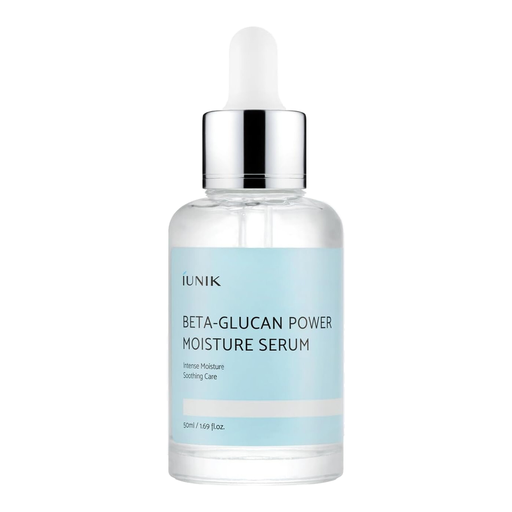
Why it suits this profile: A straightforward option if you’re starting out with a hydrating serum. The product information lists beta-glucan as a key ingredient and gives the size as 50 ml.
The product description focuses on hydration, so you don’t need to combine several potent active ingredients straight away.
50 ml; use after cleansing or toner; suitable for trying out as part of a simple routine.
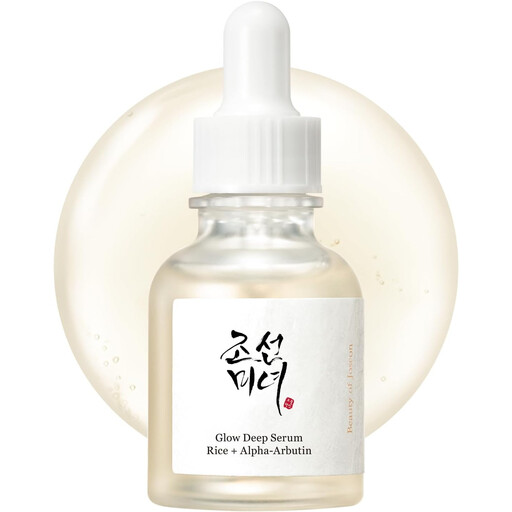
Why it suits this profile: A good option if you’re looking for a serum for pigmentation and a dull-looking complexion, and want to check the stated percentages.
The formula lists 2% alpha-arbutin and 68.6% rice bran water, so you can check which ingredients it contains.
30 ml; alcohol- and fragrance-free according to the product information; preferably use in the evening and follow with a moisturiser.
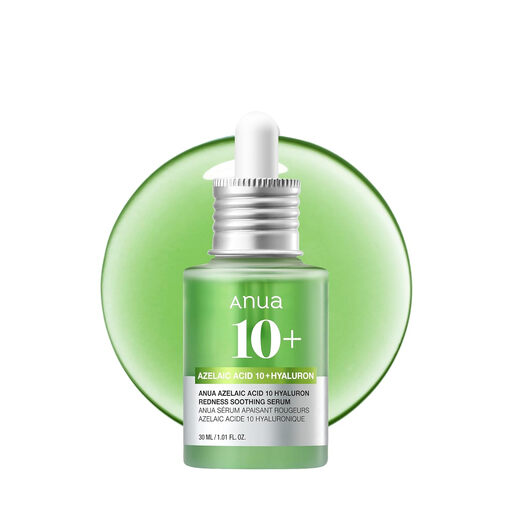
Why it suits this profile: For users focused on redness, uneven skin tone or skin that tends to feel oily.
The directions recommend building up gradually. This helps you avoid using too much azelaic acid straight away.
10% azelaic acid; hyaluronic acid, panthenol and ceramide NP in the ingredients list; niacinamide is not listed.
We’ve put together a complete, up-to-date list of products that meet these strict selection criteria and the applicable European safety requirements.
First, cleanse your face and use toner if you wish. Then apply a few drops of serum and gently pat it in. Finish with a moisturiser. Use sun protection during the day, especially with products containing retinol, azelaic acid or ingredients intended to even out your skin tone.
It depends on the size and how much you use. At two to three drops per application, 30 ml may last from several weeks to a few months. Always follow the recommended amount and check the expiry information on the packaging. Don’t store the serum in direct sunlight.
Start by looking for a simple formula without fragrance or known irritants. Ingredients such as panthenol, beta-glucan, ceramide NP and hyaluronic acid are often chosen for hydration and comfort. Patch test any new serum for sensitive skin on a small area, and don’t introduce several new active products at the same time.
