
Vandaag of morgen in huis

Kwaliteit gegarandeerd

Welkomstaanbiedingen ontgrendelen: GRATIS bezorging | Tot 80% korting | Gratis 30 dagen JoyPlus-proefperiode
Download de app
Korean face serums are popular thanks to their lightweight textures, extensive ingredient lists and formulas designed for hydration, pigmentation, acne and sensitive skin. However, eye-catching packaging or a high concentration does not automatically mean a product is the right match for your routine.
The biggest buying pitfalls are usually:
A good choice therefore starts with the ingredients, how often you use the product and your skin’s tolerance.
A hydrating serum often contains glycerine, hyaluronic acid, betaine, panthenol or ceramides. These ingredients help attract moisture or make the skin feel comfortable. If your skin is dry or feels tight, several hydrating ingredients in one formula are often more practical than one standout ingredient.
Niacinamide, vitamin C, tranexamic acid and alpha-arbutin are among the ingredients used to promote a radiant complexion. Check whether the product states the exact concentration. For example, according to the product information, the Beauty of Joseon Glow Deep Serum contains 2% alpha-arbutin and rice bran water. The Anua formula lists 10% niacinamide and 4% tranexamic acid.
Please note: according to a brand’s own research, ingredients may offer certain benefits, but such claims are not a guarantee of a specific result. Daily use of sunscreen is also important when addressing pigmentation.
A retinol serum and a retinal serum both contain vitamin A derivatives, but they are not the same ingredient. Both may feel intense for some users. Start by using them infrequently, apply small amounts and avoid using them on damaged or irritated skin.
The product information for retinol and retinal formulas warns that they can increase sensitivity to the sun. During the day, use a broad-spectrum sunscreen with at least SPF 30. If you are pregnant or breastfeeding, it is advisable to seek professional advice before using products containing retinol or retinal.
A 20 or 30 ml serum may be enough for daily use, while a 150 ml booster will last longer. The texture also affects how comfortable the product feels under moisturiser or make-up:
Vitamin C is particularly sensitive to light, air and heat. Vitamin C23, for example, advises storing the product in the fridge and using it within two months of opening to preserve the active ingredients. Always follow the packaging instructions, expiry date and period-after-opening guidance.
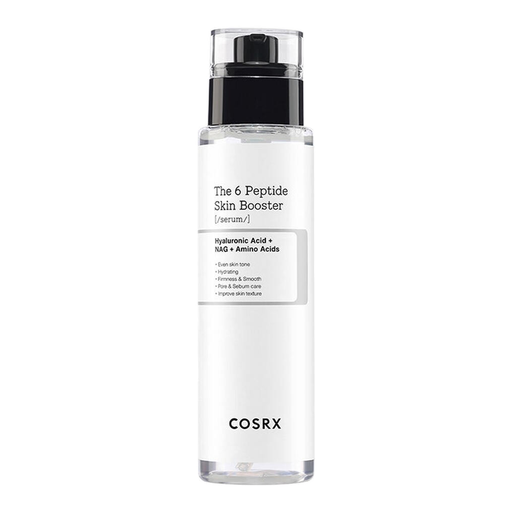
Why it suits this profile: The generous 150 ml size makes this an accessible choice if you want to add a serum without immediately choosing a potent active ingredient.
The formula does not rely on one highly concentrated acid or vitamin A ingredient. This makes it easier to measure out and incorporate into a simple routine.
Contains six types of peptides, niacinamide, glycerine and sodium hyaluronate. According to the product information, the booster is suitable for all skin types.
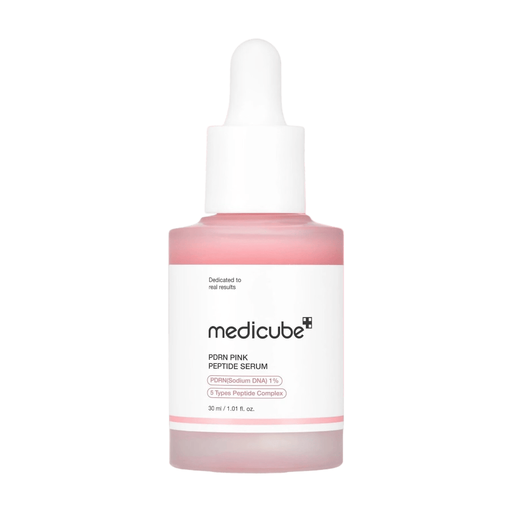
Why it suits this profile: This formula is worth considering if you want several nourishing ingredients in one serum and are prepared to check the full ingredients list carefully.
The complete ingredients list is available, allowing you to weigh up ingredients such as fragrance, collagen, peptides and sodium DNA against your own preferences.
Contains several peptides, niacinamide, hyaluronic acid and collagen. The packaging also states that the product contains fragrance, which is relevant if you have sensitive skin.
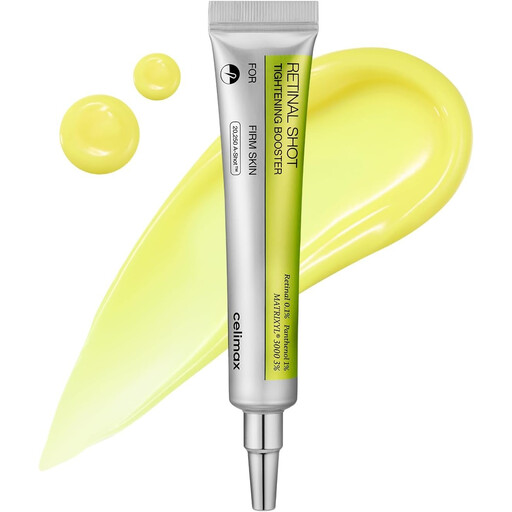
Why it suits this profile: This product is aimed at users who have consciously chosen a retinal serum and can follow an evening routine with a gradual introduction.
The usage instructions recommend starting every other evening for the first two weeks and using only a small amount. This helps prevent increasing usage too quickly.
Lists 0,1% pure retinal and 3% Matrixyl 3000. For evening use only; sunscreen the following morning is essential.
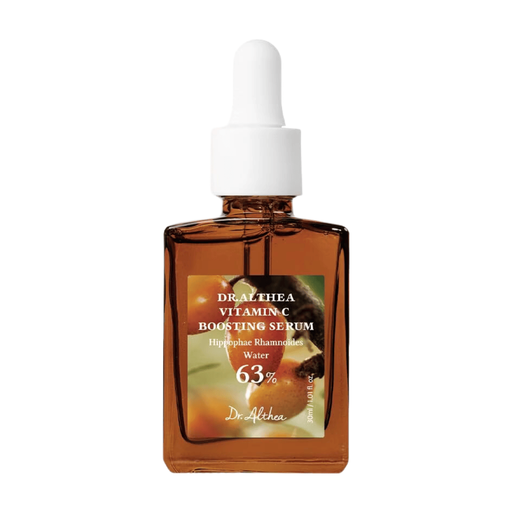
Why it suits this profile: The lightweight, hydrating texture is ideal if you are looking for a vitamin C serum that can be used during the day under moisturiser and sunscreen.
Alongside vitamin C derivatives, the formula contains panthenol, beta-glucan, ceramide NP and several forms of hyaluronic acid. Always check the complete INCI list if you have allergies.
Contains Hippophae Rhamnoides water, niacinamide, tranexamic acid and 3-O-ethyl ascorbic acid. According to the product description, the finish is lightweight and non-sticky.
We have put together a complete, up-to-date list of products that fully meet these strict selection criteria and the applicable European safety regulations.
A serum for sensitive skin is not identified solely by terms such as “gentle” or “soothing”. Also check the ingredients list for fragrance, alcohol, acids and vitamin A derivatives. According to the product information, the Dr. Althea Gentle Vitamin C Serum has a vegan formula without fragrances or colourings. This may be relevant, but individual sensitivity remains the deciding factor.
Look for ingredients such as niacinamide, tranexamic acid, alpha-arbutin or vitamin C. Based on their ingredients, products such as Beauty of Joseon Glow Deep Serum, Anua Niacinamide 10% + TXA 4% Serum and Medicube TXA Niacinamide 15 Serum are designed to promote a more even complexion. Use sunscreen during the day and do not expect immediate results.
This may work for some routines, but you do not need to apply them at the same time. For example, use vitamin C in the morning and retinol or retinal in the evening. Take it slowly and do not introduce several new active products at once.
This depends on the size and dosage. With daily use, a 30 ml bottle will generally last longer than a concentrated 9 or 15 ml product. Follow the recommended amount and pay attention to the period after opening. With a vitamin C serum, specific storage instructions, such as refrigeration, may affect how long it remains suitable for use.
