
Vandaag of morgen in huis

Kwaliteit gegarandeerd

Welkomstaanbiedingen ontgrendelen: GRATIS bezorging | Tot 80% korting | Gratis 30 dagen JoyPlus-proefperiode
Download de app
A serum can be a valuable step in a Korean skincare routine, but attractive packaging and terms such as “glow” do not always tell you enough. When buying Korean face serums, shoppers often focus mainly on the promised effect. As a result, important points such as the ingredients list, concentration, volume and usage warnings may be overlooked.
Three common pitfalls:
Before comparing products, decide which need matters most to you:
A higher percentage is not automatically more suitable. Beauty Of Joseon Glow Deep Serum, for example, lists 2% alpha-arbutin and rice bran water as key ingredients. The formula also contains glycerine, niacinamide and panthenol. This gives you more information than simply the claim “brightening”.
The concentration is also relevant in an azelaic acid serum. Products such as ANUA Azelaic Acid 10 Hyaluron Redness Soothing Serum and SKIN1004 Azelaic Acid 10 Ampoule list 10% azelaic acid. The product information recommends starting gradually. This is practical for sensitive skin, as dryness, stinging or irritation may occur.
Also look out for ingredients you would rather limit. A fragrance-free formula may be a sensible choice for a serum for sensitive skin. Check whether alcohol, essential oils or other ingredients that you have reacted to in the past are present.
The volume can vary considerably. A 30 ml bottle is common, while Hyaluronic Acid Hydrating Serum lists 100 ml and The 6 Peptide Skin Booster 150 ml. Compare the price per millilitre rather than just the price shown on the product card.
Always check the shelf-life information on the packaging. The official expiry date, batch code and period after opening may vary from product to product. Store serums in a cool, dry place away from direct sunlight, and close bottles with pipettes properly.
Usually apply a serum after cleansing and toner, followed by a moisturiser. During the day, sunscreen should be the final step, especially when using products with vitamin C, retinol, AHA, BHA or azelaic acid. Test a new product on a small area of skin first, and stop using it if persistent redness, swelling, itching or a burning sensation occurs.
The selection below is based on verifiable product information such as ingredients, volume, texture and usage instructions. Results vary depending on your skin and routine.
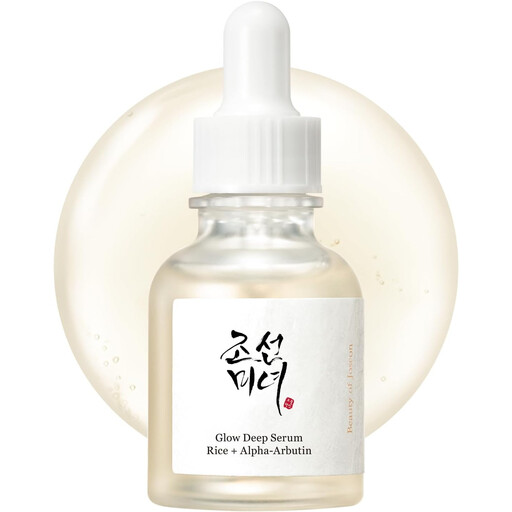
Why it suits this profile: A straightforward option for anyone looking for a lightweight serum to hydrate the skin and improve a dull, uneven complexion. The bottle contains 30 ml.
The product information lists specific ingredients: 2% alpha-arbutin, 68.6% rice bran water, glycerine and niacinamide. This means you can assess the formula more effectively than by relying on “glow” alone.
Alcohol- and fragrance-free according to the product information; contains hydrating ingredients and is designed for an uneven complexion.
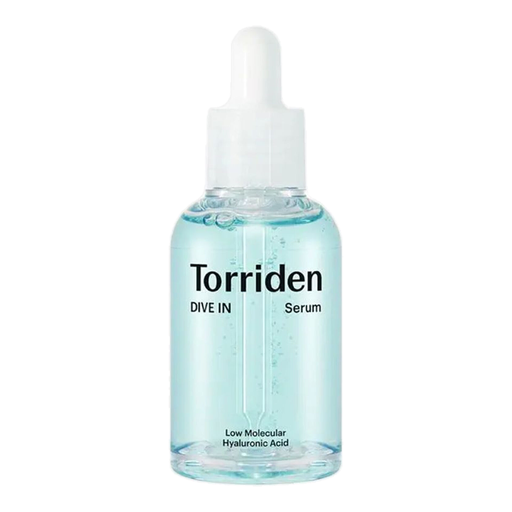
Why it suits this profile: Suitable for anyone who prioritises hydration and wants a fragrance-free, vegan formula with a lightweight texture for morning and evening use.
The product description mentions a complex containing five forms of hyaluronic acid, plus ingredients such as panthenol, ceramide NP and beta-glucan. You can therefore assess your choice against the INCI list.
50 ml; fragrance-free and suitable for all skin types according to the product information.
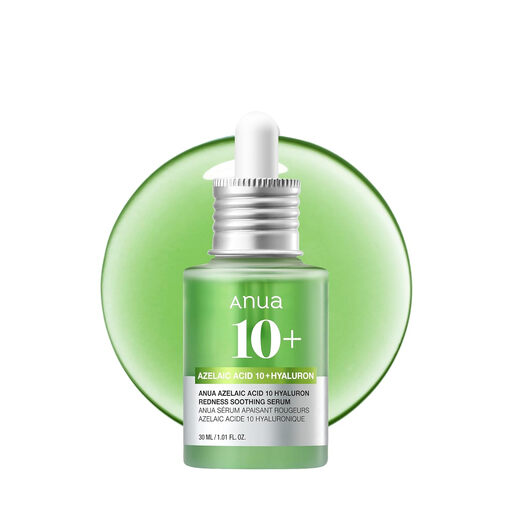
Why it suits this profile: A targeted choice for anyone who wants to combine azelaic acid, hydration and care for visibly red or unsettled skin in one routine.
The usage instructions recommend starting with 1–2 drops once or twice a week, then gradually increasing the frequency. This helps prevent using too much active ingredient straight away.
Contains 10% azelaic acid, panthenol, hyaluronic acid, centella and ceramide NP; the product information also mentions betaine and allantoin.
We have put together a complete, up-to-date list of products that fully meet these strict selection criteria and the applicable European safety regulations.
Do not use several new serums on the same day. This makes it easier to identify which product suits you. When using a serum with retinol or an acid, building up usage gradually is particularly important. A serum for redness or acne-prone skin can still cause irritation if you apply it too often or use too much.
That depends on the formula. A hydrating serum containing hyaluronic acid, for example, can often be used morning and evening according to the product instructions. It is better to introduce active formulas containing azelaic acid, retinol or vitamin C gradually. Always follow the packaging instructions and adjust the frequency if your skin reacts.
Look for a short, straightforward formula without fragrance, and focus on hydrating or soothing ingredients such as panthenol, centella, beta-glucan and allantoin. A product containing active acids is not automatically unsuitable, but it does require a patch test and gradual introduction. Do not use serum on damaged skin.
The shelf life is stated on the packaging. Check the expiry date, batch information and any period-after-opening symbol. Keep the bottle closed, dry and away from direct sunlight. If the smell, colour or texture changes, it is best to stop using the product, even if the date has not yet passed.
