
Vandaag of morgen in huis

Kwaliteit gegarandeerd

Welkomstaanbiedingen ontgrendelen: GRATIS bezorging | Tot 80% korting | Gratis 30 dagen JoyPlus-proefperiode
Download de app
A K-beauty serum can be a targeted step in your routine, but the wide range of options can make choosing difficult. A hydrating serum, brightening serum and retinol or retinal serum all have different properties. If you focus only on terms such as “glow”, “lifting” or “glass skin”, you could end up with a product that does not suit your skin or routine.
The most common pitfalls are:
Decide what you want to add to your routine with the serum:
A face serum will not usually replace a moisturiser. It is generally applied after cleansing and, if desired, toner, followed by a cream.
The ingredients list tells you more than the front of the packaging. Among other things, look out for:
A brand’s own research may suggest that certain ingredients can, for example, contribute to a more even complexion, a firmer-looking appearance or less visible fine lines. Treat this as product information, not a guaranteed result. Stop using the product if irritation persists.
Do not compare the price alone; compare the quantity too. The serums mentioned range from 9 ml to 150 ml. A small bottle can be useful for trying out an active ingredient first, while a 150 ml booster is practical for daily use across the whole face.
Also check:
For example, the product information for Vitamin C23 states that it should be used within two months of opening and stored in the fridge. This makes the serum less suitable if you are looking for a simple product that you can use without taking extra storage measures.
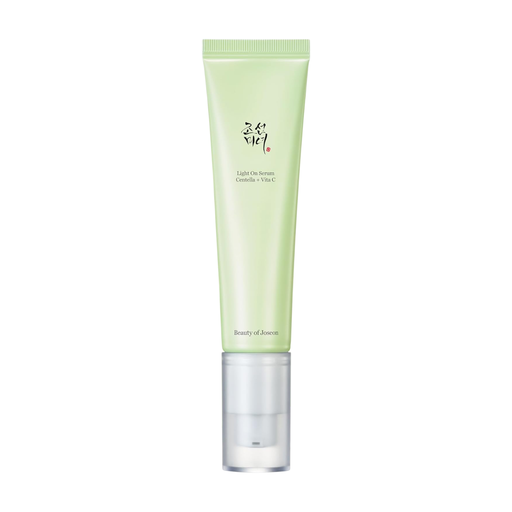
Why it suits this profile: The combination of centella asiatica, 3-O-ethyl ascorbic acid, glycerine and hydrated hyaluronic acid provides a straightforward starting point for anyone who wants to combine hydration with a radiant-looking complexion.
The product information states that it contains 30 ml, has a lightweight texture and can be used in the morning and evening. This makes it easier to place within a routine than a formula containing several strong retinoids or acids.
30 ml; centella asiatica and a vitamin C derivative; glycerine and hyaluronic acid for hydration; according to the product specification, free from essential oils.
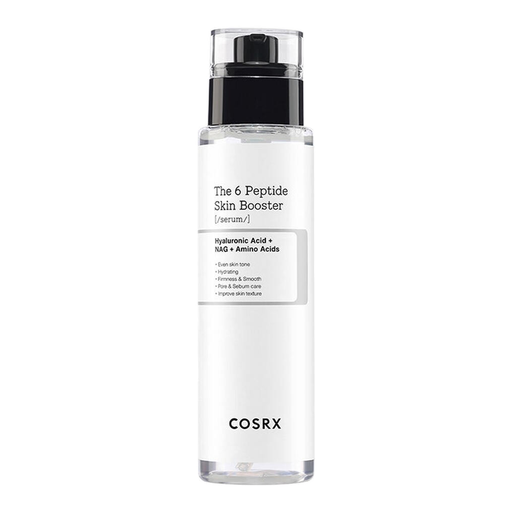
Why it suits this profile: The generous size and combination of six peptides, niacinamide, glycerine and sodium hyaluronate suit experienced users looking for a daily booster.
The formula does not contain retinol, retinal or a high concentration of vitamin C. This makes it easier to combine with a separate active step, as long as you build up your full routine gradually.
150 ml; six listed peptides; niacinamide, allantoin and several humectants; intended for morning and evening use according to the product information.
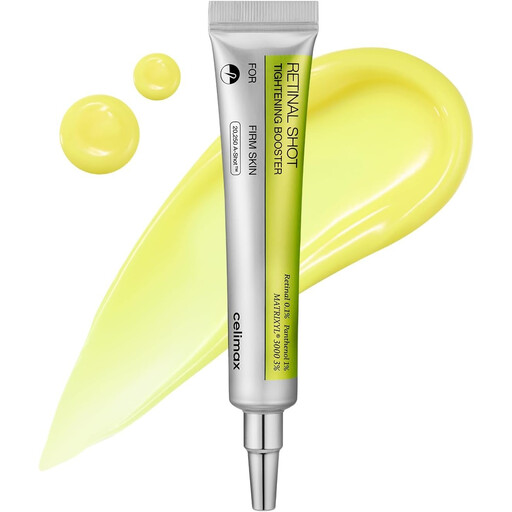
Why it suits this profile: This is a targeted night-time option for users who want to use retinal deliberately and are prepared to build up the frequency and amount carefully.
The usage instructions recommend starting in the evening, using a small amount and applying it every other evening during the first two weeks. This means the dosage is clearly defined rather than left to guesswork.
15 ml; 0.1% retinal and 3% Matrixyl 3000 according to the product description; clear warning about sun sensitivity and eye contact.
We have put together a complete, up-to-date list of products that fully meet these strict selection criteria and the applicable European safety regulations.
Apply the serum to cleansed skin, usually after toner and before moisturiser. Introduce one new product at a time. If you have sensitive skin, first test a small amount on a limited area of skin.
Use retinol, retinal and high-concentration vitamin C according to the product instructions. During the day, sunscreen should be part of any routine containing these active ingredients. Do not automatically combine a vitamin C serum with retinal or other strong actives; for example, alternate them between morning and evening.
When buying online, check the full ingredients list, contents, shelf life and responsible party. This information should be verifiable on the product page or packaging and is more important than simply choosing a popular product name.
Look for a simple formula with hydrating and soothing ingredients, such as glycerine, panthenol, centella asiatica or hyaluronic acid. Introduce each serum gradually and check whether it contains fragrance, alcohol or an active ingredient you have reacted to in the past.
This depends on the contents and how you use it. A 30 ml bottle will generally last longer with a few drops per application than a 9 or 15 ml product. Always follow the period-after-opening guidance on the packaging. With vitamin C serums, storage and the recommended period of use may be particularly important.
You can, but keep your routine straightforward. For example, combine a hydrating serum with a moisturiser, but do not introduce retinal, retinol, azelaic acid and a high dose of vitamin C all at once. Build up step by step so that you can better assess which product suits your skin.
