
Vandaag of morgen in huis

Kwaliteit gegarandeerd

Welkomstaanbiedingen ontgrendelen: GRATIS bezorging | Tot 80% korting | Gratis 30 dagen JoyPlus-proefperiode
Download de app
Korean face serums are popular for their lightweight textures, active ingredients and wide variety. But attractive packaging or a long ingredients list doesn’t guarantee that a serum will suit your skin. If you focus only on claims such as “glow”, “lifting” or “deep hydration”, you could end up with a product that stings, feels too heavy or sits unused in your bathroom.
A high-strength vitamin C serum may appeal to experienced users, but a formula like this can irritate sensitive skin more easily. According to the product information, Vitamin C23 Anti aging serum contains 23% ascorbic acid. The manufacturer recommends patch testing, refrigeration and avoiding use at the same time as retinol and certain other active ingredients.
So don’t just look at the percentage. Check the instructions, pH sensitivity, recommended frequency of use and any warnings too.
A serum for all skin types may be convenient, but your skin could still react to fragrance, essential oils, alcohol or a particular active ingredient. For sensitive or dry skin, a shorter ingredients list, hydrating ingredients and a fragrance-free formula can make it easier to assess.
A hydrating serum, for example, often contains glycerine, panthenol, beta-glucan or hyaluronic acid. These ingredients have a different profile from a serum for dark spots, which may contain niacinamide, alpha-arbutin, tranexamic acid or vitamin C.
A retinal serum, vitamin C serum, niacinamide serum and exfoliating product can each have a place in your routine. However, introducing them all at once makes it difficult to work out which product is causing redness or tightness. Introduce new products gradually and use a sunscreen with suitable protection during the day.
Stop using a product if you experience irritation, swelling, itching or a burning sensation. Use serums only as directed on the packaging. If symptoms persist, consult a doctor or dermatologist.
Are you using a serum to complement a simple routine of cleansing, moisturising and protecting your skin? If so, choose one main concern:
Ingredients can work differently for different people. Set your expectations based on the formula and instructions for use, rather than marketing claims alone.
A gel serum usually absorbs differently from an oily formula. If you use several layers, a lightweight texture may work well for you. Check the size too: 15, 20, 30 and 50 ml may seem similar, but how much you use each time and the shelf life after opening also affect how practical a product is.
A pump bottle can be more hygienic because you don’t need to touch the formula with your fingers as often. If the product has a pipette, avoid placing it directly against your skin, as stated in the instructions for the Beauty of Joseon Glow Deep Serum.
Some formulas need extra care. Retinal serums are generally used in the evening and should be paired with sun protection during the day. According to the product information, Vitamin C23 should be stored in the fridge, including after opening, and ideally used within two months of opening.
Always check the INCI list, expiry date and period-after-opening symbol on the packaging. Product information can change, so the packaging should always take precedence.
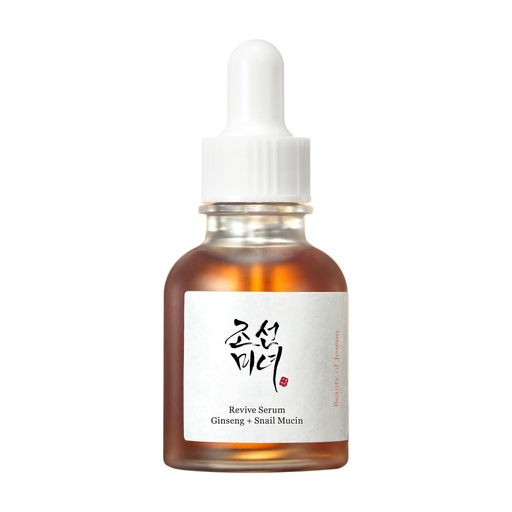
Why it suits this profile: The gel texture is designed for dry, normal and combination skin. The formula contains 3% snail mucin filtrate, ginseng root water, niacinamide and hyaluronic acid, among other ingredients.
The product description clearly lists the key ingredients, skin types and recommended amount to use. This makes it easier to compare the formula without relying solely on a general promise of a glow.
30 ml, pump bottle, gel texture and ingredients such as glycerine, niacinamide, Centella Asiatica and several forms of hyaluronic acid.
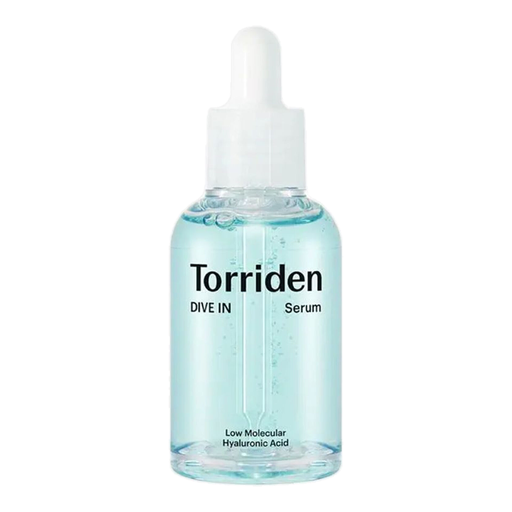
Why it suits this profile: A good choice if you’re mainly looking for a hydrating serum and want to combine several hydrating ingredients in one formula.
The product information lists five forms of hyaluronic acid, along with ingredients such as panthenol, ceramide NP and beta-glucan. This makes it easier to check whether the formula suits your routine.
50 ml, fragrance-free formula according to the product description, suitable for use in the morning and evening.
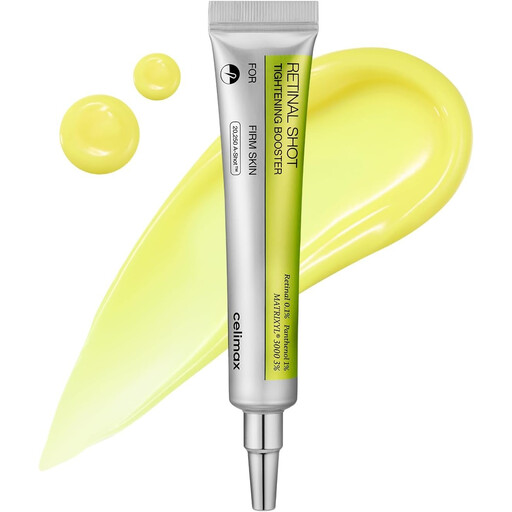
Why it suits this profile: This retinal serum is designed for users who want to use a vitamin A ingredient mindfully and can stick to an evening routine.
The manufacturer specifies 0.1% retinal, night-time use, gradually building up to every other evening, and warnings about sensitivity to sunlight. This makes the need for care clearer.
15 ml, 0.1% retinal and 3% Matrixyl 3000 according to the product description; you can gradually build up to using it every other evening.
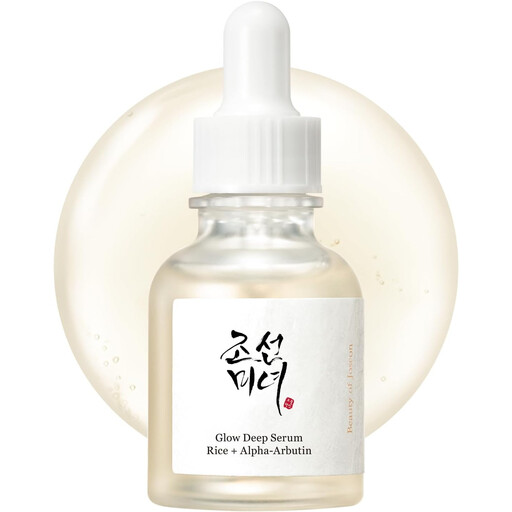
Why it suits this profile: The formula targets dull skin and uneven skin tone, with rice water, 2% alpha-arbutin, niacinamide and hydrating ingredients.
The product description specifies the concentration of alpha-arbutin and recommends using the serum in the evening. This gives you useful information beyond the brightening claim.
30 ml, fragrance-free and alcohol-free formula according to the product specifications, with 68.6% rice bran water and 2% alpha-arbutin.
We’ve put together a complete, up-to-date list of products that meet these strict selection criteria and current European safety regulations.
Cleanse your face first and use toner if you wish. Then apply one to a few drops of serum, following the instructions on the packaging. Finish with a moisturiser. Use sun protection during the day, particularly with serums containing vitamin C, retinal or other ingredients that may make your skin more sensitive.
It varies by product. Check the packaging for the period-after-opening symbol, such as 12M, and look out for changes in smell, colour or texture. Some formulas, such as concentrated vitamin C serums, have additional storage requirements and a shorter recommended period of use after opening, according to the product information.
Hyaluronic acid and niacinamide are often used in the same routine, but retinal requires more care. Start by using retinal on separate evenings, and don’t introduce several new active products at the same time. Always check the specific instructions for use and stop if you experience irritation.
