
Vandaag of morgen in huis

Kwaliteit gegarandeerd

Welkomstaanbiedingen ontgrendelen: GRATIS bezorging | Tot 80% korting | Gratis 30 dagen JoyPlus-proefperiode
Download de app
A K-beauty serum can complement a simple skincare routine, but the sheer range on offer can make choosing difficult. Are you looking for a hydrating serum, a serum for sensitive skin, or a formula for a dull complexion? A well-known brand name alone isn't a good enough reason to order.
Pay close attention to the ingredients list, usage instructions and texture. This way, you can avoid buying a product that doesn't suit your skin type or ends up sitting unused in the bathroom after a few applications.
A product with a striking percentage of niacinamide, vitamin C, or another active ingredient might look appealing. However, a concentrated formula can be less pleasant for some skin types. Sensitive skin, for example, can react to pure vitamin C, essential oils, retinol, or exfoliating ingredients.
So, look at the full product profile. A niacinamide serum sometimes also contains hydrating ingredients like glycerine, panthenol, or hyaluronic acid, but this varies from formula to formula.
Words like "pore-refining", "lifting", and "glow" often describe the goal or positioning of a cosmetic product. They don't guarantee a fixed result. According to a brand's own research, certain ingredients can contribute to a particular appearance, but that's not a universal promise.
With a serum for dark spots, it's wiser to look at ingredients like alpha-arbutin, niacinamide, or vitamin C, and to use sun protection during the day. A serum doesn't replace medical advice or treatment.
Centella, ginseng, rice extract, and plant extracts are popular ingredients in Korean skincare. Yet even a botanical ingredient can cause irritation for some users. So, check whether a product contains perfume, bergamot oil, lavender oil, or other fragrances, and do a patch test if you're unsure.
First, choose your skin goal, then compare the ingredients:
A gel or watery texture often works well under a day cream and sunscreen. A richer essence might be more interesting for dry skin, but can feel heavy on oilier skin.
Also check the volume: many serums contain 30 ml, while some essences contain 50 or 100 ml. A pump bottle can be practical for daily use; a dropper bottle requires extra attention to hygiene. Try not to touch your skin with the pipette.
Generally, apply a serum after cleansing and toner (if you use one), followed by a moisturiser. Use sunscreen during the day if your routine includes retinol, retinal, or vitamin C. The product packaging remains the guide for shelf life, batch information, and warnings.
For the SKIN1004 Retinol 0.2 Boosting Shot Ampoule, the product information mentions evening use, gradual build-up, and avoiding use during pregnancy or breastfeeding. Stop if you experience persistent redness, itching, or irritation.
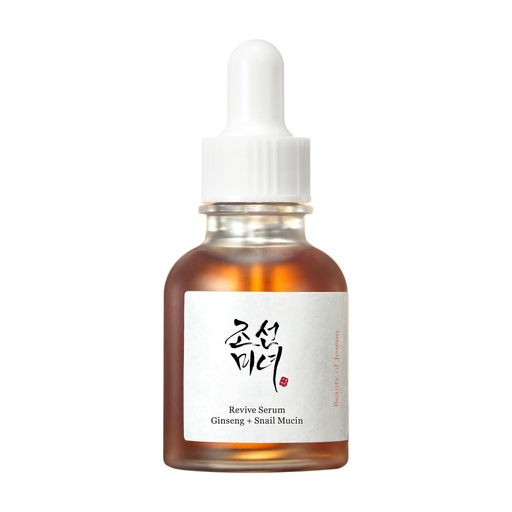
Why this profile fits: The gel texture and 30 ml volume suit those looking for an extra moisture layer without a complicated routine.
The ingredients list includes 3% snail mucin filtrate, ginseng root water, glycerine, and hyaluronic acid. Do check beforehand whether you tolerate snail mucin.
Contains niacinamide, centella asiatica, and several forms of hyaluronic acid; the packaging is a pump bottle.
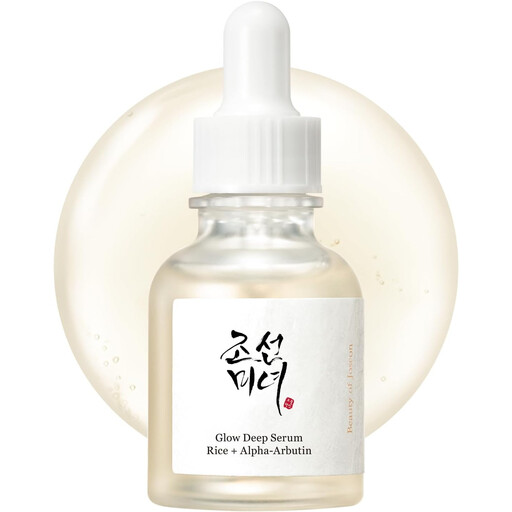
Why this profile fits: Aimed at those looking for a light serum for hydration and a more even-looking complexion.
The formula states 68.6% rice bran water and 2% alpha-arbutin. This lets you compare the composition claim concretely, rather than just relying on "glow".
Contains niacinamide, panthenol, and glycerine; according to the product information, the serum is free from alcohol and perfume.
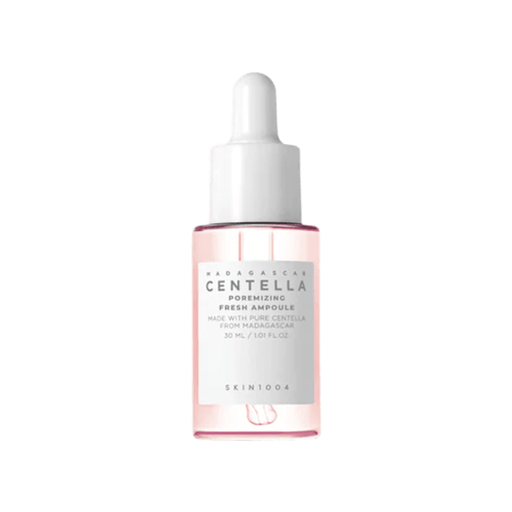
Why this profile fits: The light, low-grease texture is practical for skin that gets shiny quickly or uses multiple products a day.
The product description mentions a watery texture, hyaluronic acid, and use for oily, combination, and sensitive skin. Don't expect a permanent change in pores.
Contains centella asiatica, panthenol, three forms of hyaluronic acid, and several peptides.
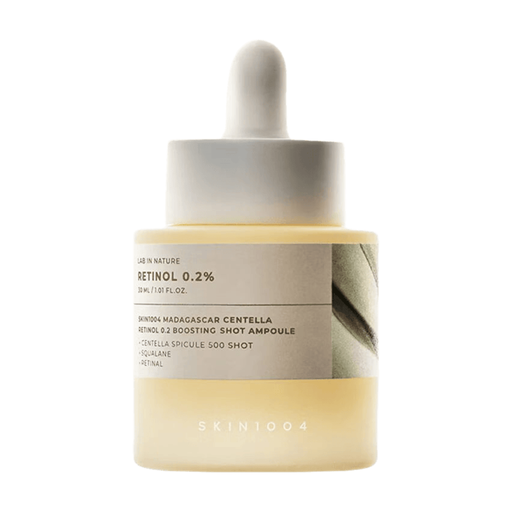
Why this profile fits: Suitable for experienced users who want to consciously introduce retinol and retinal into an evening routine.
The instructions recommend a build-up schedule: start two to three times a week, use in the evening, and reduce frequency if irritation occurs.
Contains retinol, retinal, squalane, panthenol, and madecassoside. The product information also mentions daily SPF 30 or higher.
Start with one new serum and use a small amount as directed on the label. Give your skin time to react before adding a second active product. Ideally, don't combine retinol directly with strong vitamin C or multiple exfoliating products.
A simple order is:
Store vitamin C serums away from heat and direct light. A formula like Some By Mi Galactomyces Pure Vitamin C Glow Serum states 3% pure ascorbic acid and also contains bergamot and lavender oil. That makes a patch test especially relevant for sensitive skin.
Compare additional serums and ampoules based on skin type, texture, and ingredients in our current range.
Look for a short ingredients list without perfume or essential oils. A simple centella ampoule, like the SKIN1004 Madagascar Centella Ampoule, can fit into a routine focused on soothing and hydrating care. Always test on a small area of skin first.
That depends on the ingredients. A formula with alpha-arbutin or niacinamide is often used daily as per the label. Pure vitamin C and retinoids may require gradual build-up. Use sunscreen during the day and stop if irritation occurs.
Check the expiry date and the period-after-opening symbol on the packaging. Store the product in a cool, dry place away from direct sunlight. A change in smell, colour, or texture could be a reason to stop using the product.
