
Vandaag of morgen in huis

Kwaliteit gegarandeerd

Welkomstaanbiedingen ontgrendelen: GRATIS bezorging | Tot 80% korting | Gratis 30 dagen JoyPlus-proefperiode
Download de app
Korean face serums come in a wide range of textures, formulas and price points. That makes choosing one exciting, but it can also be confusing. Stylish packaging, terms such as “glow” and a long ingredients list don’t tell you much on their own about whether a product is right for your skin.
Pay particular attention to these three common pitfalls:
A hydrating serum often contains glycerine, hyaluronic acid, panthenol or squalane. These ingredients generally work well in a simple routine. For dry skin, the moisturiser you apply afterwards is just as important as the ingredient itself.
If you’re looking for a serum for blemish-prone skin or a serum for uneven-looking skin tone, you could consider azelaic acid, niacinamide or vitamin C. Always check the full ingredients list. A formula may contain several active ingredients, but that doesn’t mean you need all of them.
For dark spots or a dull-looking complexion, the Beauty of Joseon Light On Serum: Centella + Vita C and some vitamin C formulas are possible options. According to the product description, the Beauty of Joseon serum contains 3-O-ethyl ascorbic acid, centella asiatica and hydrating ingredients such as glycerine and hyaluronate.
A watery ampoule usually absorbs quickly and may feel comfortable on combination or oily skin. A gel serum often feels lightweight, while a formula containing squalane or silicones may feel more comfortable on dry skin.
Check the packaging and volume, too. A 9 ml product is handy for trying out an active formula, but it may cost more per millilitre. A 30, 50 or 100 ml bottle is more practical for daily use once you know the formula works for your routine.
A retinol serum or product containing retinal calls for extra care. According to its ingredients list, the SKIN1004 Madagascar Centella Retinol 0.2 Boosting Shot Ampoule contains retinol and retinal. The product information recommends starting with two to three evenings a week, using a small amount and wearing sun protection during the day. Don’t use this product during pregnancy or while breastfeeding unless a healthcare professional advises otherwise.
An azelaic acid serum containing 10% azelaic acid may also cause tingling or warmth at first. Introduce it gradually and don’t apply it to damaged or irritated skin. Stop using the product if you experience persistent redness, itching, swelling or a burning sensation.
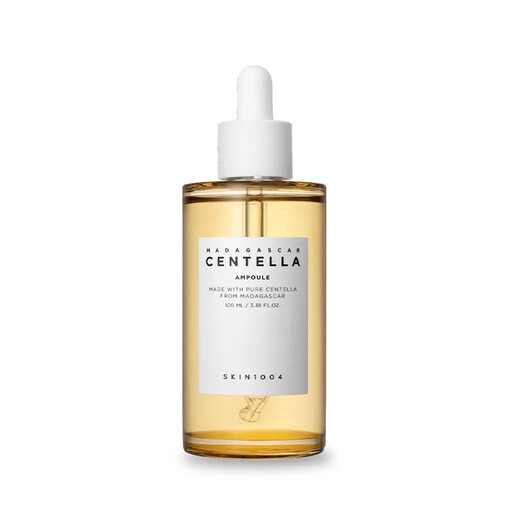
Why it suits this profile: The generous 100 ml size is practical for daily use if you want to build a simple centella asiatica routine.
The formula is straightforward: according to the product information, it consists mainly of centella asiatica extract and contains no retinol or high percentage of acid.
100 ml; use 2 to 3 drops each time, according to the product instructions; works well as a simple layer before moisturiser.
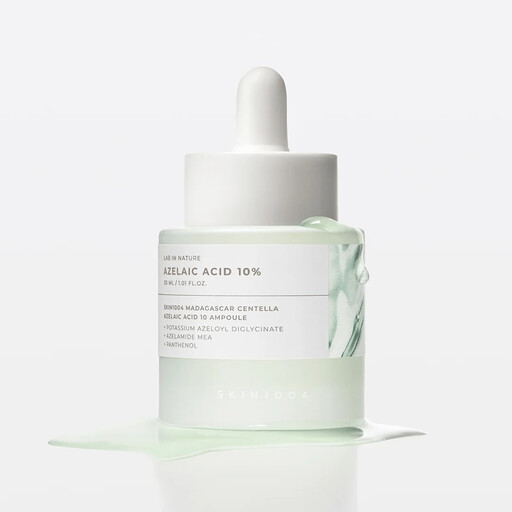
Why it suits this profile: This product is aimed at people who want to add an azelaic acid serum to their routine for blemish-prone or uneven-looking skin.
The 10% concentration is clearly stated in the product information. This lets you assess the strength in advance, rather than relying on a vague promise of glow.
Contains 10% azelaic acid, panthenol, allantoin and centella asiatica; instructions include a gradual build-up schedule.
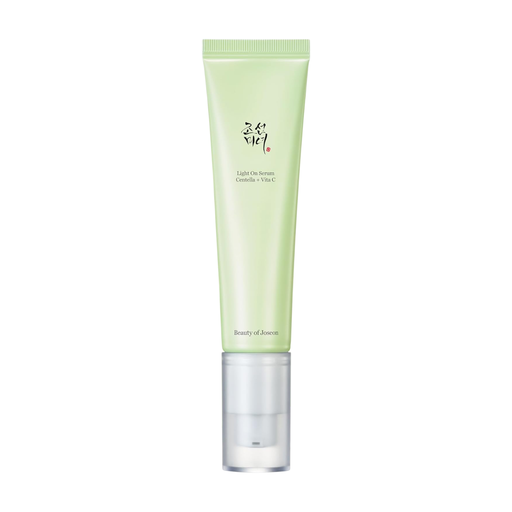
Why it suits this profile: The lightweight formula may suit anyone looking for a vitamin C serum with hydrating ingredients for morning and evening use.
The ingredients list includes 3-O-ethyl ascorbic acid, centella, glycerine and hyaluronate. It makes clear that this isn’t a pure, high-strength ascorbic acid serum.
30 ml; centella asiatica and hydrating ingredients; according to the product information, suitable for dry, normal and combination skin.
We’ve put together a complete, up-to-date list of products that meet these strict selection criteria and current European safety regulations.
Apply a serum after cleansing and, if you use one, after toner. Usually, two to three drops are enough, unless the packaging says otherwise. Finish with a moisturiser to help lock in moisture.
If you’re using an active ingredient, don’t add several new products to your routine at once. A simple approach:
Look for a short ingredients list without unnecessary fragrance, and choose a hydrating serum containing ingredients such as glycerine, panthenol, hyaluronic acid or centella asiatica. Introduce one new product at a time. “For sensitive skin” on the packaging is no guarantee, so always check the ingredients and warnings.
This may be too much for some routines. It’s better to use them at different times, for example vitamin C in the morning and retinol in the evening. Start with a low frequency and wear sun protection during the day. Always follow the product’s specific instructions.
That depends on the amount in the bottle and how much you use each time. With daily use, a 30 ml bottle will generally last longer than a 9 ml ampoule. Check the expiry date and the period after opening on the packaging. High-concentration vitamin C serums may also have specific storage instructions, such as keeping them cool and out of direct sunlight.
