
Vandaag of morgen in huis

Kwaliteit gegarandeerd

Welkomstaanbiedingen ontgrendelen: GRATIS bezorging | Tot 80% korting | Gratis 30 dagen JoyPlus-proefperiode
Download de app
There are Korean face serums for almost every skin concern, from a hyaluronic acid serum for dryness to a niacinamide serum for an uneven skin tone. The wide choice is useful, but it can also make comparing products more difficult. Eye-catching packaging or a long ingredients list doesn’t automatically mean a serum is right for your skin.
The most common purchasing mistakes are:
Decide which concern you want to address first. Common ingredients for hydration include glycerine, panthenol, beta-glucan, ceramides and hyaluronic acid. A hydrating serum is especially practical when your skin feels tight or flaky.
For dull skin or visible discolouration, you could look for niacinamide, alpha-arbutin, tranexamic acid or vitamin C. A serum for dark spots won’t clear discolouration in one go; consistent use and daily sun protection are still important.
For redness or skin that reacts easily, simple formulas containing ingredients such as centella asiatica, panthenol, allantoin or green tea are often easier to assess. A serum for redness isn’t a medical treatment. If your symptoms persist, it’s wiser to seek advice from a GP or dermatologist.
A percentage is only useful when you know how to use the product. According to the product information, Vitamin C23 contains 23% ascorbic acid. The advice is to carry out a patch test, store it in a cool place and use it within two months of opening. This makes it more suitable for experienced users than for someone just starting out.
According to the ingredients list, Some By Mi Retinol Intense Reactivating Serum contains 0.1% retinol, as well as retinal. The directions recommend building up use gradually, applying the product in the evening and using sun protection during the day. Don’t combine retinol with other strong active ingredients without careful consideration.
Don’t just look at the ingredient on the front of the pack. Check the following too:
The selection below is based on verifiable details such as size, ingredients, skin type and directions for use. Brand descriptions of visible results are not presented as guaranteed effects.
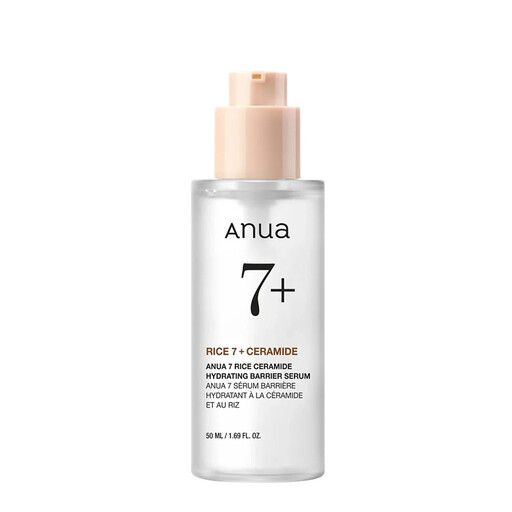
Why it suits this profile: The formula contains glycerine, niacinamide, sodium hyaluronate, ceramide NP and panthenol. At 50 ml, it also offers more product than many standard 30 ml serums.
Rather than choosing solely on the basis of a standout active ingredient, you’ll find several moisture-binding and barrier-supporting ingredients in the list. Check whether the formula contains fragrance if you want to avoid it.
50 ml size; glycerine, ceramide NP, panthenol and hyaluronic acid in the ingredients list.
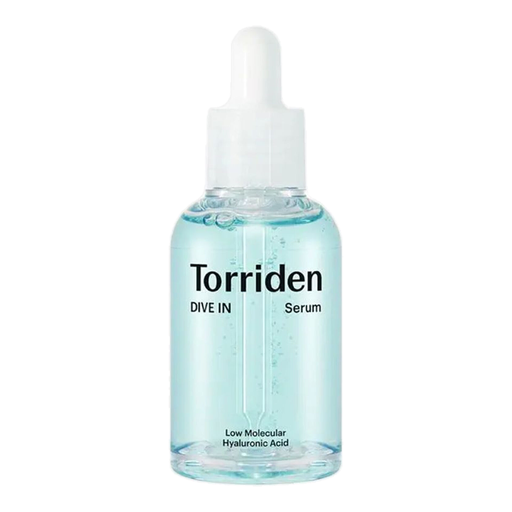
Why it suits this profile: If you’re looking for a simple hydration step, this formula contains five types of hyaluronic acid, panthenol, ceramide NP and beta-glucan. The product description says it has a lightweight, fragrance-free texture.
It focuses on one clear goal: hydration. That means you don’t need to layer several strong serums at once.
50 ml size; five forms of hyaluronic acid; product information states that it is fragrance-free.
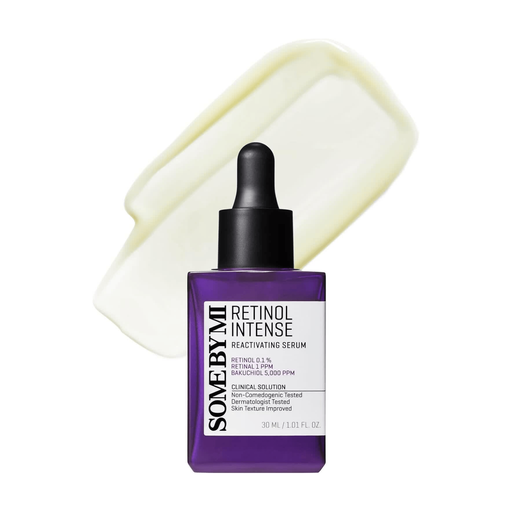
Why it suits this profile: This is a targeted choice for people who are already familiar with retinol. The formula lists 0.1% retinol, retinal, bakuchiol, panthenol and ceramide NP.
The product information includes a gradual build-up schedule, recommends evening use and advises carrying out a patch test. This makes it clear that an active serum shouldn’t automatically be used every day from the very first day.
Lists 0.1% retinol and retinal; contains panthenol and ceramide NP; clear directions for gradual adjustment.
We’ve put together a complete, up-to-date list of products that meet these strict selection criteria and the applicable European safety regulations.
Start by cleansing, then apply toner if you use one, followed by one serum. Finish with a moisturiser. Use sun protection during the day, especially if you use a vitamin C serum, retinol serum, azelaic acid serum or serum for dark spots.
Want to combine several serums? Test each product separately first. For example, use a hydrating serum in the morning and an active serum in the evening. If redness, itching, swelling or a burning sensation persists, stop using the product and check the safety information on the packaging.
Look for a short ingredients list without fragrance and choose soothing or hydrating ingredients such as panthenol, glycerine, centella asiatica and ceramide. Always carry out a patch test first. A product description saying “suitable for sensitive skin” doesn’t guarantee that everyone will tolerate the product.
It depends on the formula. Check the expiry date on the packaging and the period after opening. Store vitamin C and retinol products according to the relevant advice, for example away from direct sunlight or in the fridge if specifically instructed.
This may work in some routines, but don’t introduce everything at once. Hyaluronic acid is mainly hydrating, while niacinamide and vitamin C are active ingredients with different usage profiles. Start with one new serum and only add a second product later if your skin remains calm.
