
Vandaag of morgen in huis

Kwaliteit gegarandeerd

Welkomstaanbiedingen ontgrendelen: GRATIS bezorging | Tot 80% korting | Gratis 30 dagen JoyPlus-proefperiode
Download de app
A serum can be a smart addition to your Korean skincare routine, but the sheer choice can make it hard to decide. After hydration, a more even tone, refined pores or care for sensitive skin? You’ll soon come across terms like K‑beauty serum, glow, skin barrier and intensive brightening.
Packaging doesn’t tell the whole story. A high percentage of active ingredients isn’t automatically right for every skin. Using multiple serums together can also be too stimulating. With this practical selection, focus on the formula first, and only then on the marketing claims.
A 15% niacinamide serum sounds appealing, but a higher concentration can be less comfortable for some users than a gentler formula. The same applies to a vitamin C serum with 23% ascorbic acid or a retinol serum. Start with a low usage frequency for active ingredients and only build up if your skin responds well.
Niacinamide, vitamin C, tranexamic acid, retinol, retinal and azelaic acid are frequently found in Korean face serums. Each has its own place in a routine. Using several intensive formulas at the same time can make the skin feel uncomfortable. So don’t simply combine a strong vitamin C serum with retinol or retinal in the same routine.
Words like “repair”, “pore‑refining” and “anti‑ageing serum” usually describe a product’s aim, not a guaranteed outcome. A brand may cite certain results from its own research, but your skin type, how often you use it and your sun protection also play a role. Always check the full ingredients list and the directions for use.
Choose the ingredient based on your skincare goal:
For a serum for sensitive skin, a short ingredients list, a fragrance‑free formula and a gentle introduction are practical. Beauty of Joseon Glow Deep Serum states, among other things, that it’s alcohol‑free and fragrance‑free. That doesn’t mean every skin will react the same way: patch test first.
Centella ampoule formulas are popular when you want a light, hydrating layer. Do check whether, besides centella, there are also alcohol, acids, retinoids or fragrance present. “Natural” or “fermented” alone says nothing about personal tolerance.
Vitamin C formulas can be sensitive to light, heat and air. The product information for Vitamin C23 mentions refrigeration and use within two months of opening to preserve the active ingredients. Always follow the label on the packaging.
With retinol and retinal, a slow build‑up is important. The SKIN1004 Retinol 0.2 Boosting Shot Ampoule and celimax Retinal Shot advise, according to their directions, using only a few evenings per week at first. Also use a sunscreen during the day and avoid applying to irritated or damaged skin.
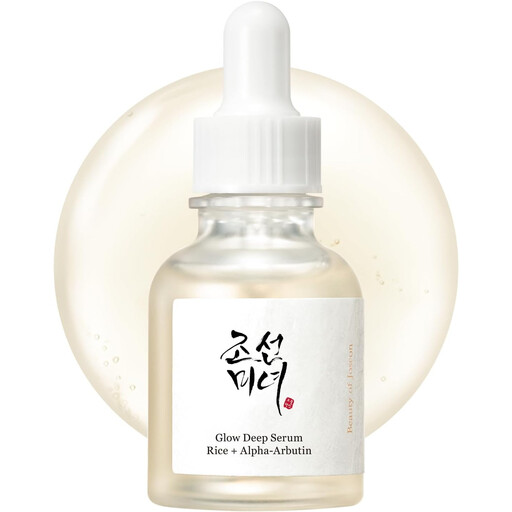
Why this suits the profile: The lightweight formula combines 68.6% rice bran water with 2% alpha‑arbutin, niacinamide, glycerine and panthenol. That makes it a clear, straightforward choice if you want to pair hydration with a more even look.
The ingredients and the alpha‑arbutin concentration are clearly listed. You don’t have to rely solely on terms like “glow” or “brightening”.
30 ml, vegan and, according to the product information, alcohol‑ and fragrance‑free; intended for a dull complexion and hydration.
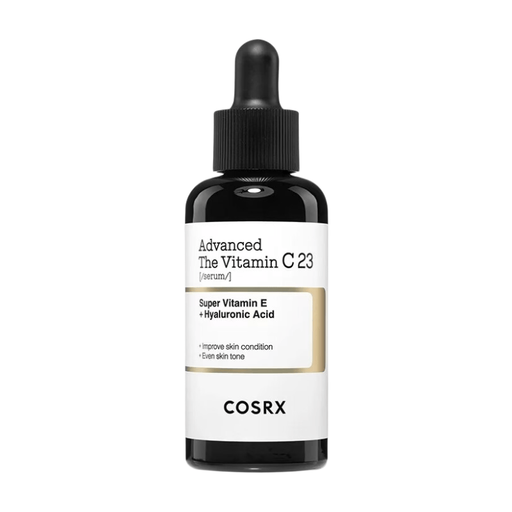
Why this suits the profile: This vitamin C serum contains 23% ascorbic acid, complemented by a vitamin C derivative, panthenol, squalane and hyaluronic acid. It’s ideal for users who intentionally seek a concentrated formula.
The high concentration is clearly indicated, as is the warning to carry out a patch test first and keep the product refrigerated.
Contains 20 ml, squalane and sodium hyaluronate; the instructions mention SPF during the day and using within two months after opening.
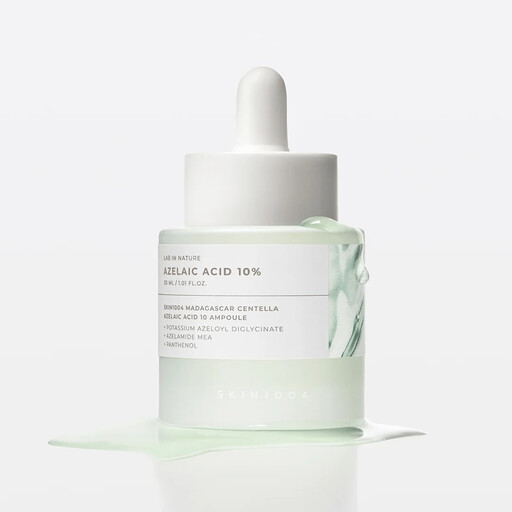
Why this suits the profile: This azelaic acid serum formula contains 10% azelaic acid, centella and hydrating ingredients. According to the product information, the formula is niacinamide‑free, making it a match for users who want to avoid that ingredient.
The formula states the active percentage and provides a build‑up schedule: use every other day in the first week and do not apply to damaged skin.
10% azelaic acid, centella and sodium hyaluronate; 9 ml size to trial the formula first in a targeted way.
After cleansing, use a toner first if you enjoy one, then a single serum and follow with a moisturiser. During the day, finish with sunscreen. For dry or dull skin, a hydrating serum with ginseng, snail mucin or peptides can be a good fit, such as Beauty of Joseon Revive Serum or The 6 Peptide Skin Booster.
If you use retinol or retinal, it’s best to introduce the serum gradually. A Centella ampoule or simple moisturiser can serve as a supportive hydrating step alongside. Stop if persistent redness, itching, swelling or a burning sensation occurs, and follow the safety information on the packaging.
We’ve compiled a complete, up‑to‑date list of products that fully meet these strict selection criteria and comply with current European safety regulations.
Look for a fragrance‑free formula with hydrating and soothing ingredients, such as panthenol, glycerine or centella. Avoid combining several strong actives at once and patch test a new serum on a small area of skin first.
That varies by product. Check the expiry date and the period after opening on the packaging. Vitamin C often needs extra protection from light, heat and air. For a formula like Vitamin C23, follow the specific storage instructions.
That depends on the concentrations and your skin’s tolerance. To limit overlap, you could use vitamin C in the morning and retinol or retinal in the evening. Build up each active ingredient separately and use sun protection during the day.
