
Vandaag of morgen in huis

Kwaliteit gegarandeerd

Welkomstaanbiedingen ontgrendelen: GRATIS bezorging | Tot 80% korting | Gratis 30 dagen JoyPlus-proefperiode
Download de app
Korean face serums are popular for their lightweight textures, diverse active ingredients, and extensive choice for each skin type. However, a pretty package or a long ingredients list doesn’t guarantee that a serum will suit your routine. If you’re specifically looking for a hydrating serum, a serum for dark spots or a serum for sensitive skin, it’s worth comparing the formula and how to use it first.
A product with 10% niacinamide sounds appealing, but a higher concentration can be less comfortable for some skin types. The overall formula, your usage schedule and the combination with other active ingredients are at least as important. So don’t just look at one percentage; also consider ingredients like glycerine, panthenol, ceramides and hyaluronic acid.
Terms like “glow”, “firming” and “skin renewal” usually describe a cosmetic goal or the product’s positioning. They are not a guarantee of a specific result. According to brands’ own product information, ingredients such as vitamin C, retinal, niacinamide or tranexamic acid can contribute to a more even-looking complexion, but individual experiences vary.
Also pay attention to claims around “hypoallergenic”, “dermatologically tested” or “suitable for all skin types”. Always check the current packaging and ingredients list. A product may be fragrance-free, for example, yet still contain active ingredients that your skin doesn’t tolerate well.
A niacinamide serum, vitamin C serum, an exfoliating product and a retinal serum in one routine can become unnecessarily complicated. Start with one serum and use it for several weeks according to the instructions. Only then add a second product if you wish. If you experience redness, itching or a stinging sensation, stop using it.
First, choose based on your main skin concern:
Check the INCI list on the packaging. Ingredients are generally listed in descending order of concentration, but this doesn’t give a complete picture of how the formula works.
A watery formula often absorbs quickly and works well under sunscreen or make-up. A gel or lotion texture can be pleasant for combination or oily skin. A richer formula is more suited to dry skin.
Also compare the volume: 15, 20, 30, 50 and 150 ml are common sizes. A larger package isn’t automatically better value if you use the product slowly or if its shelf life after opening is limited. A pump bottle can also be more hygienic to use than a dropper, while a dropper allows for precise dosing.
Retinal, retinol, azelaic acid and vitamin C require extra care. Use retinal or retinol products mostly in the evening, build up the frequency gradually and use sunscreen during the day. For the celimax serum, the product information recommends using it every other night for the first two weeks and applying a small amount.
A patch test on a small area of skin is wise, especially if you have sensitive skin. Avoid contact with the eyes and do not use serum on damaged or irritated skin. Check the expiry date and the period after opening, for example “12M”, on the packaging.
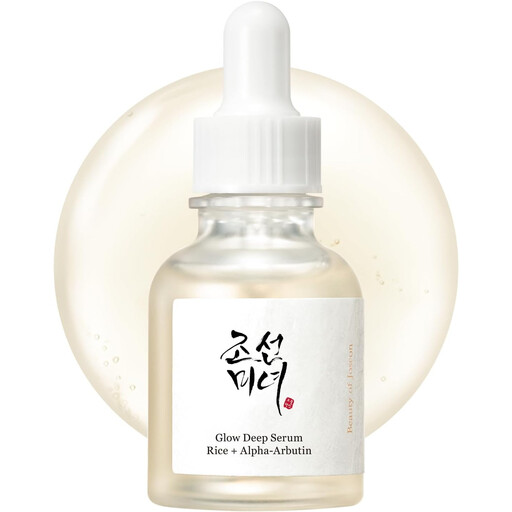
Why this fits the profile: The lightweight formula combines rice bran water, 2% alpha-arbutin, niacinamide and glycerine. This makes it a straightforward choice if you want to add a serum for dark spots and dullness without buying several active products at once.
The ingredients and concentration of alpha-arbutin are clearly stated. This means you don’t have to rely solely on a general “glow” claim.
30 ml; according to the product information, vegan, fragrance-free and alcohol-free; designed for hydration and a more even-looking complexion.
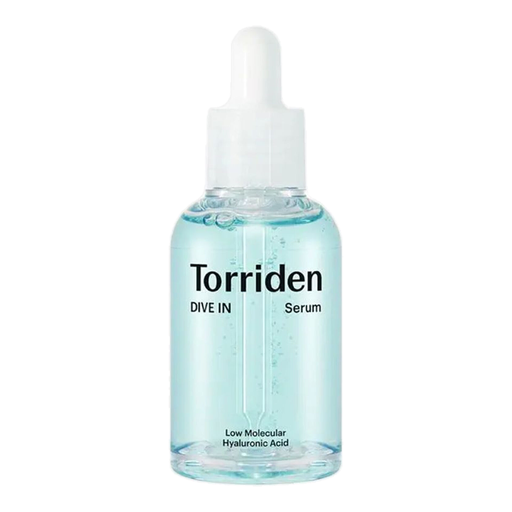
Why this fits the profile: If you’re mainly looking for a Korean face serum with a clear focus on hydration, you get a formula with five types of hyaluronic acid, panthenol, beta-glucan and ceramide NP.
The product information mentions specific humectant ingredients, not just a general “dewy” effect. According to the description, the formula is fragrance-free.
50 ml; five forms of hyaluronic acid; contains panthenol, beta-glucan and ceramide NP; suitable for use day and night according to the product information.
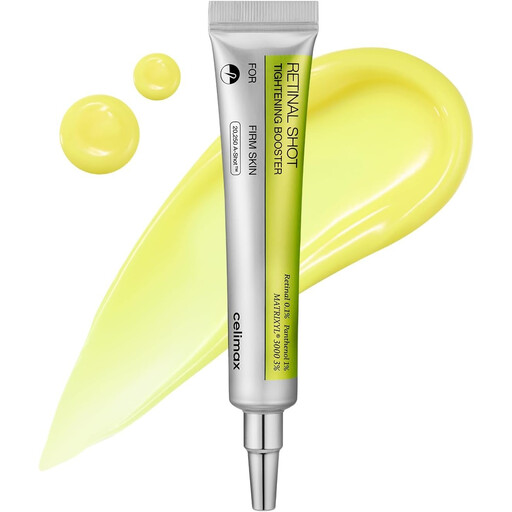
Why this fits the profile: This serum is aimed at users who consciously want to add retinal to their evening routine. According to the product information, the formula contains 0.1% retinal and 3% Matrixyl 3000.
The instructions mention gradual introduction, evening use, sunscreen and the risk of irritation. This helps prevent you from using an active ingredient too often or too generously.
15 ml; contains 0.1% retinal and Matrixyl 3000 according to the product description; clear instructions for gradual introduction.
We’ve put together a full, up-to-date list of products that fully meet these strict selection criteria and comply with current European safety regulations.
First, cleanse your face and use toner if you wish. Then apply a few drops of serum and gently press it into the skin. Finish with a moisturiser. Use sunscreen during the day, especially with products containing retinal, retinol, vitamin C or exfoliating ingredients. Always follow the instructions on the packaging.
Check the expiry date and the symbol for the period after opening. An indication like “12M” usually means the product is intended for use for twelve months after opening. Store the serum in a cool, dry place away from direct sunlight. If the smell, colour or texture changes, it’s best not to use it any longer.
Choose a formula without fragrance if possible and introduce one active ingredient at a time. A hydrating serum with hyaluronic acid, glycerine, beta-glucan or panthenol is often easier to assess than a product with several strong actives. Test it on a small area of skin first and stop if irritation persists.
