
Vandaag of morgen in huis

Kwaliteit gegarandeerd

Welkomstaanbiedingen ontgrendelen: GRATIS bezorging | Tot 80% korting | Gratis 30 dagen JoyPlus-proefperiode
Download de app
A Korean face serum can be a useful addition to your routine, but the wide range of options can make choosing difficult. A gel serum for hydration serves a different purpose from a retinol serum, vitamin C serum or a formula for pigmentation. Marketing terms such as “glow”, “plumping” and “anti-ageing” also mean little without checking the ingredients list and directions for use.
A percentage is only meaningful when you know which ingredient it refers to and how your skin responds to it. A niacinamide serum with 10% can be appealing for an uneven complexion, but sensitive skin may prefer a lower concentration. With retinol and retinal, the strength is not the only important factor: how often you use it and the rest of the formula matter too.
Claims about visible results come from product descriptions or, where stated, the brand’s own research. Do not treat them as a guarantee for your skin.
A serum for acne and blemishes may contain salicylic acid, niacinamide or azelaic acid, for example. These ingredients are not automatically suitable for every routine. Combining several strong active ingredients without introducing them gradually can feel uncomfortable.
That is why it is also worth looking for supportive ingredients such as panthenol, ceramides, glycerine or hyaluronic acid. Depending on the full formula, these may suit dry or sensitive skin.
A retinal serum, retinol serum or vitamin C serum requires extra attention to sun protection. Some products can increase sensitivity to sunlight. Use a broad-spectrum sunscreen during the day and always follow the warnings on the packaging.
Also check the expiry date, batch information and the period after opening. An opened serum should be kept tightly closed and stored away from direct sunlight.
Start by choosing according to your main need:
An ingredient appearing on the ingredients list does not automatically mean that the product has a medical effect. Cosmetics are intended for skincare; if you have persistent skin concerns, you can consult a GP or dermatologist.
A watery essence or gel usually feels lightweight on oily skin. A serum containing oil, ceramides or shea butter may feel more comfortable on dry skin. If you have combination skin, you can apply a thin layer over your entire face and use extra product on dry areas.
Also check whether the product contains fragrance, alcohol or other ingredients that you have not tolerated well in the past. “Vegan”, “cruelty-free” and “dermatologically tested” are product claims that you should verify on the packaging and product page; they do not mean that a serum is suitable for everyone.
A dropper, pump bottle or dosing cap can help you measure out the amount more accurately. Pay attention to the volume: 9 ml, 30 ml, 50 ml, 100 ml and 150 ml cannot be compared directly based on price alone.
Apply a new Korean face serum to a small area of skin first. Introduce active serums gradually. Use one new active product at a time so that you can better assess how your skin responds.
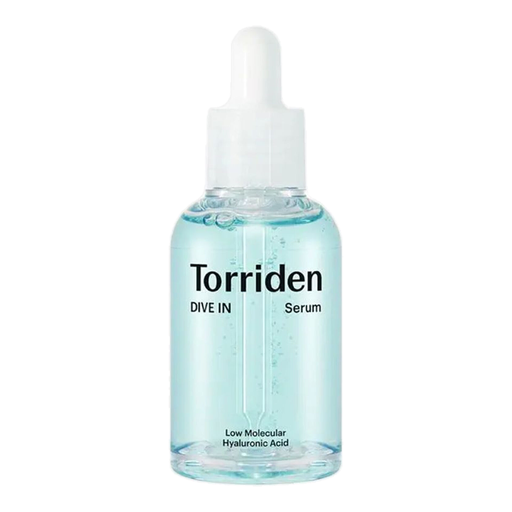
Why it suits this profile: The formula combines five types of hyaluronic acid with panthenol, ceramide NP and beta-glucan. According to the product description, the serum is fragrance-free and suitable for all skin types.
The product information names specific supportive ingredients rather than making only a general glow promise. However, check that the texture works well with your routine.
Five types of hyaluronic acid; fragrance-free formula with ceramide NP and beta-glucan.
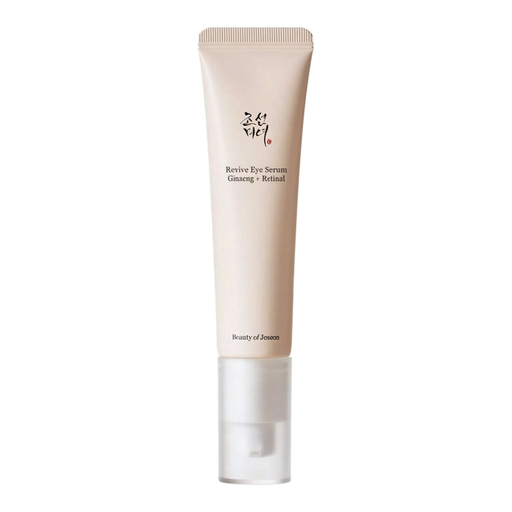
Why it suits this profile: According to the product information, this serum contains 10% Panax Ginseng, 2% liposomal retinal, niacinamide, macadamia oil and ceramide NP. It is intended for the eye area and face.
The packaging specifies the retinal variant and recommends using 1–2 pumps. Start slowly, avoid direct eye contact and use sun protection during the day.
30 ml; retinal combined with niacinamide and ceramide NP; suitable for the eye area and face according to the product information.
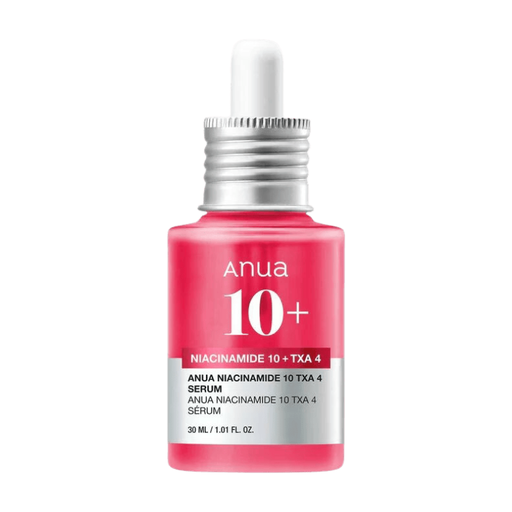
Why it suits this profile: The formula contains 10% niacinamide, 4% tranexamic acid, alpha-arbutin and several forms of hyaluronic acid. This combination of ingredients is well suited to a routine for an uneven complexion.
The key active ingredients and percentages are clearly stated. Introduce the serum gradually and combine it with sunscreen during the day.
10% niacinamide and 4% tranexamic acid; fragrance-free and alcohol-free according to the product information; 30 ml volume.
We have put together a complete, up-to-date list of products that fully meet these strict selection criteria and the applicable European safety regulations.
Apply a K-beauty serum after cleansing and, if desired, using a toner. Follow with a moisturiser. Two to three drops are often enough, but follow the manufacturer’s recommended dosage.
When using a retinol serum, retinal serum or azelaic acid serum, it is best to introduce it gradually. For example, start with a few evenings a week if this is what the packaging recommends. Do not use several new active products at the same time. Stop using the product if you experience persistent redness, itching, swelling or a burning sensation, and seek medical advice if necessary.
Look for ingredients such as hyaluronic acid, beta-glucan, glycerine, panthenol and ceramides. A hydrating serum usually feels most comfortable underneath a moisturiser, as the extra layer helps lock in moisture. Check the texture and avoid ingredients you have reacted sensitively to in the past.
This depends on the formula. A simple hyaluronic acid serum can often be used in the morning and evening according to the product instructions. A retinal serum, retinol serum or azelaic acid product usually requires a gradual introduction. Always follow the label and reduce the frequency if your skin feels uncomfortable.
The precise period is stated on the packaging, for example as an open-jar symbol showing a number of months. Also check the expiry date and batch information. Keep the product closed, cool and away from direct sunlight. If its smell, colour or texture changes, it is best not to continue using it.
