
Vandaag of morgen in huis

Kwaliteit gegarandeerd

Welkomstaanbiedingen ontgrendelen: GRATIS bezorging | Tot 80% korting | Gratis 30 dagen JoyPlus-proefperiode
Download de app
A Korean face serum can be a practical addition to your daily routine. However, it’s not wise to rely solely on eye-catching packaging, a long ingredients list, or a promise of a “glow”. The right choice depends on your skin’s needs, the formulation, and how easily you can use the product consistently.
Niacinamide, hyaluronic acid, centella and peptides frequently appear in Korean skincare serums. That doesn’t automatically make a formula suitable for every skin type. You should also look at the full INCI list, the concentration when stated, and any potential fragrance or alcohol components.
For example, a serum containing niacinamide may also include fragrances or essential oils. For sensitive skin, this could be a concern, even if the product is marketed as soothing.
An anti-ageing serum may contain ingredients such as adenosine, retinol, peptides or collagen. The product description might suggest these ingredients make the skin look firmer, smoother or younger. Treat this as a cosmetic claim from the brand, not a guaranteed outcome.
Focus on practical considerations: can the formula be used daily, does the texture suit your skin type, and does it contain any ingredients you might be sensitive to?
Not every product with the word “serum” is intended for the skin. The Peptide 132 Hair Bonding Oil Serum, for instance, is a hair oil for lengths and ends. It doesn’t belong in a comparison of face serums. Always check the stated use and application area.
First, choose one main goal. This makes comparing easier:
According to the brands’ own product information, these ingredients are intended to hydrate, soothe or make the skin appear smoother. This does not replace medical advice.
A watery serum works well under a day cream and sunscreen. A gel texture can suit combination or normal skin. A richer formula is better for dry skin, but may feel heavy on oilier skin.
The usual order is:
Start with one new product at a time. This makes it clearer which product causes any reaction.
The volume varies widely: from 20 or 30 ml to 100 or 150 ml. A larger bottle is only good value if you like the formula and can use it before the expiry date. Check the packaging for the expiry date, batch information and the period after opening.
The EU Cosmetics Regulation requires, among other things, an ingredients list and information about the responsible party. Also check whether a product contains fragrance, alcohol denat., retinol or exfoliating acids. If you have sensitive skin, first do a patch test on a small area. Stop if irritation persists and avoid contact with the eyes.
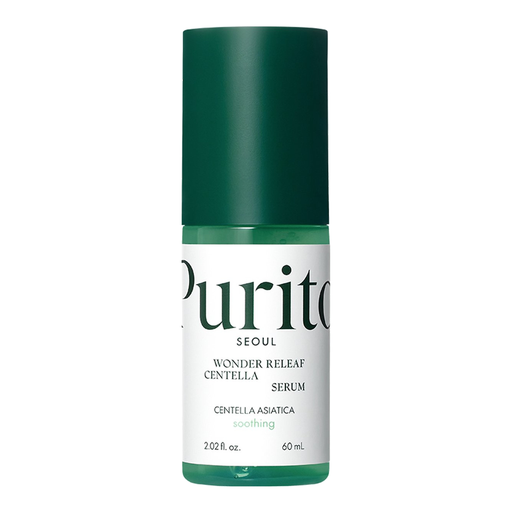
Why it fits this profile: The 60 ml volume gives you room to build a simple hydrating routine with a lightweight serum texture.
The ingredients list is clearly stated. However, note the presence of fragrances and essential oils if your skin reacts to them.
Centella asiatica extract, niacinamide, glycerin, sodium hyaluronate and ceramide NP; alcohol-free according to the product information.
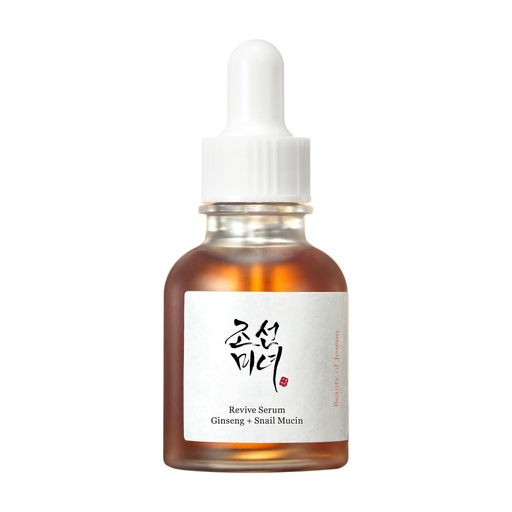
Why it fits this profile: The gel texture and combination of hydrating ingredients suit a well-cared-for routine for normal, combination or dry skin.
The product information states a 30 ml volume and a pump bottle. This allows you to dispense without placing the pipette directly on your skin.
Contains 3% snail mucin filtrate, ginseng root water, niacinamide, centella and hyaluronic acid according to the product list.
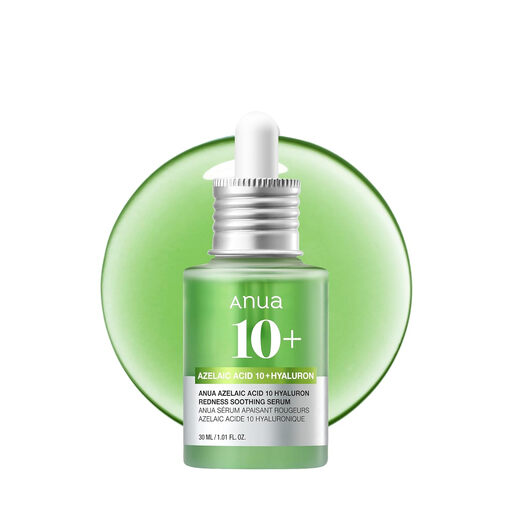
Why it fits this profile: This is a targeted choice for users who want to address redness, uneven skin tone and hydration all in one routine.
The usage instructions advise building up slowly from 1 to 2 times a week. This prevents you from applying an active ingredient too frequently from the start.
Contains 10% azelaic acid, panthenol, sodium hyaluronate, centella and ceramide NP; sunscreen is necessary during the day according to the product warning.
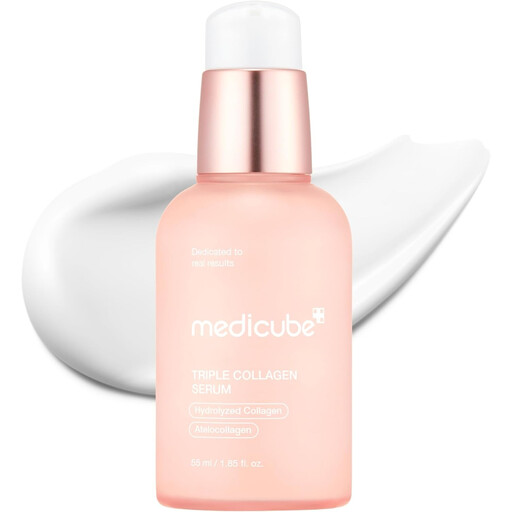
Why it fits this profile: The formula combines collagen components with different forms of hyaluronic acid for users who are mainly looking for hydration and a fuller appearance.
The specifications mention 55 ml and a lightweight texture, but also alcohol denat. and fragrance. This makes the INCI list important for sensitive skin.
Hydrolyzed collagen, atelocollagen and soluble collagen are listed, alongside hyaluronic acid, sodium hyaluronate and niacinamide.
We’ve put together a full, up-to-date list of products that fully meet these strict selection criteria and comply with current European safety regulations.
Apply the serum after cleansing and, if you use one, after toner. Use the amount stated on the label, usually a few drops, and finish with a moisturiser. Use sunscreen during the day, especially with formulas containing retinol, acids or azelaic acid.
Check the expiry date and the period after opening information on the packaging. Store the bottle closed, in a dry place away from direct sunlight. A pump bottle can be practical for hygienic dispensing, but it doesn’t change the brand’s shelf-life information.
Yes, but start carefully. First, combine one hydrating serum with a simple moisturiser. Add active ingredients such as azelaic acid, retinol or exfoliating acids separately. If you experience stinging, itching, redness or swelling, stop using the product and seek medical advice if necessary.
