
Vandaag of morgen in huis

Kwaliteit gegarandeerd

Welkomstaanbiedingen ontgrendelen: GRATIS bezorging | Tot 80% korting | Gratis 30 dagen JoyPlus-proefperiode
Download de app
A Korean face serum can be a practical addition to your daily routine, but the sheer choice can make it hard to know where to start. Some formulas focus on hydration, while others target dullness, pigmentation or a weakened skin barrier. A high concentration or eye-catching claim doesn’t automatically mean a serum is right for your skin.
Pay particular attention to the ingredients list, directions for use and how well the product suits your skin type.
More ingredients don’t necessarily mean a better product. A serum with several active ingredients may be harder to combine with other products. For example, using a vitamin C serum, retinol serum and exfoliating acids at the same time could put unnecessary strain on your skin.
It’s best to start with one main goal, such as hydration or a more even-looking complexion. You can add a second active ingredient later.
A product containing 10% niacinamide or 10% azelaic acid may sound appealing, but everyone’s tolerance is different. If you have sensitive skin, a simple formula with panthenol, glycerine, allantoin or ceramides may be a more sensible place to start.
Claims about visible results come from brands or sellers and aren’t a guarantee of how your skin will respond. Always check the label on the product you receive too, as ingredients may change.
A hydrating serum or a serum for pigmentation doesn’t replace sunscreen. Daily protection from UV rays is a good idea, particularly when using products containing vitamin C, exfoliating acids, azelaic acid or retinal. Follow the warnings on the packaging and stop using the product if irritation persists.
Choose a formula based on your main concern:
A percentage is only useful if you know how to use the product. For example, the Beauty Of Joseon Glow Deep Serum lists 2% alpha-arbutin and rice bran water as key ingredients. The Anua Azelaic Acid 10 Hyaluron Redness Soothing Serum, on the other hand, is recommended for use once or twice a week to begin with.
Don’t start by using several potent serums in the same routine. Apply a new product to a small area of skin first. If you experience burning, itching, swelling or persistent redness, stop using it and consult a doctor if needed.
A light lotion or watery texture often works well under moisturiser and sunscreen. A richer formula may feel more comfortable on dry skin. Also check:
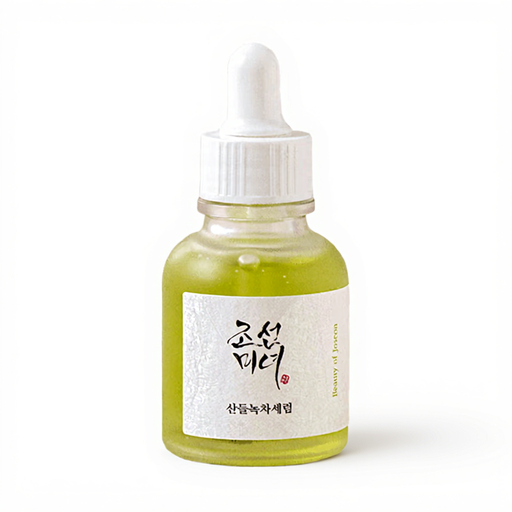
Why it suits this profile: The light formula centres on green tea water, panthenol and plant extracts. It’s an accessible choice if you’re mainly looking for hydration and comfort.
The product information describes it as fragrance-free and alcohol-free. Still, always check the packaging and test a small amount first.
30 ml size, 5% panthenol according to the product description, and a light texture that works under moisturiser.
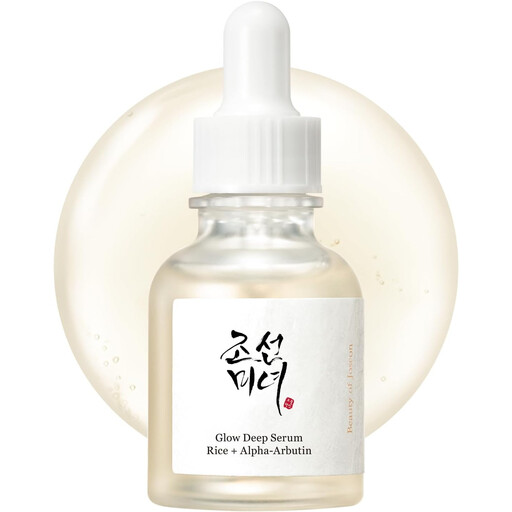
Why it suits this profile: This serum combines rice bran water with alpha-arbutin and niacinamide, making it a good fit for a routine focused on dull skin and uneven tone.
The key ingredients and 2% alpha-arbutin concentration are listed in the product information, so you don’t have to rely on a vague glow claim alone.
30 ml size, a light hydrating texture, and fragrance-free and alcohol-free properties according to the product listing.
Apply a serum after cleansing and, if you use one, toner. A few drops are usually enough; finish with a moisturiser. During the day, follow with sunscreen. Gradually introduce an active formula, such as a vitamin C serum, azelaic acid serum or retinal product. Don’t combine several potent ingredients straight away.
If you have sensitive skin, it’s a good idea to do a patch test. Also check for fragrance, alcohol and essential oils if you’ve reacted to them before. Product claims such as ‘hypoallergenic’, ‘dermatologically tested’ or ‘vegan’ don’t mean irritation is impossible.
We’ve put together a complete, up-to-date list of products that meet these strict selection criteria and the applicable European safety regulations.
It depends on the formula. A hydrating serum can often be used daily. Start by using active ingredients such as azelaic acid, vitamin C or retinal less frequently, and follow the instructions on the packaging.
According to the product description, a serum may help give your skin a more even appearance, but results vary from person to person. Pigmentation can have several possible causes. Wear sun protection during the day, and ask a doctor about any noticeable or changing marks.
Follow the shelf-life information on the packaging. Many products state a period after opening, for example, 12M. Keep your serum sealed, somewhere cool and out of direct sunlight to help preserve the formula.
