
Vandaag of morgen in huis

Kwaliteit gegarandeerd

Welkomstaanbiedingen ontgrendelen: GRATIS bezorging | Tot 80% korting | Gratis 30 dagen JoyPlus-proefperiode
Download de app
A Korean face serum can be a valuable addition to your daily routine, but the sheer range of options can make choosing one tricky. A hydrating face serum, Centella serum, niacinamide serum or serum for dark spots each has a different formulation and application.
Pay particular attention to three common pitfalls:
Decide which need matters most to you. This stops you from buying a product because of eye-catching packaging when the formula doesn’t suit your routine.
A percentage is only meaningful if it’s clear which ingredient it refers to. For example, Beauty of Joseon lists 2% alpha-arbutin and 68.6% rice bran water in the Glow Deep Serum. The Revive Serum formula states 3% snail mucin filtrate.
Also look at the order of ingredients. Ingredients higher up the list are generally present in larger amounts than those at the bottom. Always check the packaging for the current ingredients list, expiry date and usage instructions. Product formulas can change.
Claims about effectiveness come from the brand or product description. According to the brands’ own information, certain formulas are, for example, hydrating, soothing or suitable for dull skin. That’s no guarantee of the same result for every user.
A gel serum usually feels light and often sits well under sunscreen or make-up. An oily or richer formula may suit dry skin better, but can be less pleasant if you tend to get a shiny feeling.
Also pay attention to the size: 20, 30, 50 and 100 ml are common formats. A larger bottle isn’t automatically better value if you don’t use it within the recommended period after opening. Store serums in a cool, dry place away from direct sunlight and follow the instructions on the packaging.
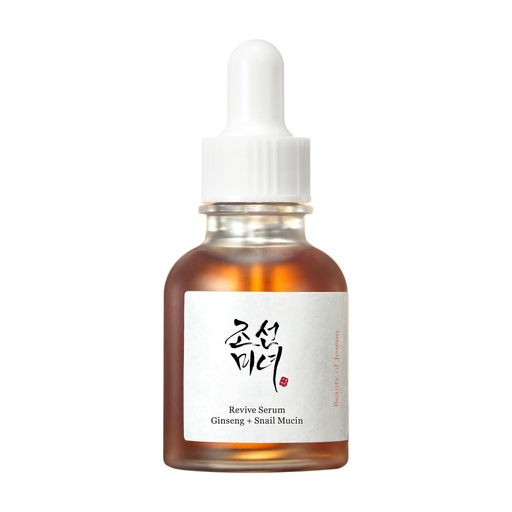
Why this fits the profile: The gel texture, pump bottle and simple dosing make this a practical introduction to a Korean face serum. The product information lists dry, normal and combination skin as the target audience.
The ingredients list and stated percentages give you more to go on than just a general glow claim. Always check the packaging for the current formula though.
30 ml, gel texture, pump packaging and ingredients including glycerine, niacinamide, Centella Asiatica and hyaluronic acid.
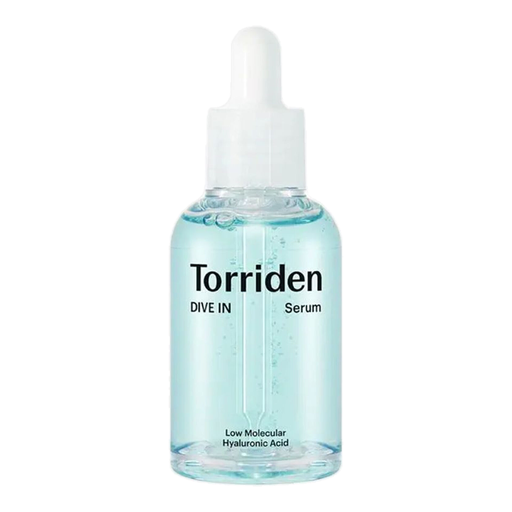
Why this fits the profile: For anyone looking for a clearly hydrating face serum with a light texture and a larger size than many 30 ml serums.
The product description mentions five types of hyaluronic acid and also lists panthenol, ceramide NP and beta-glucan. This lets you check the claim against the ingredients.
50 ml, fragrance-free according to the product information, vegan and suitable for use in the morning and evening.
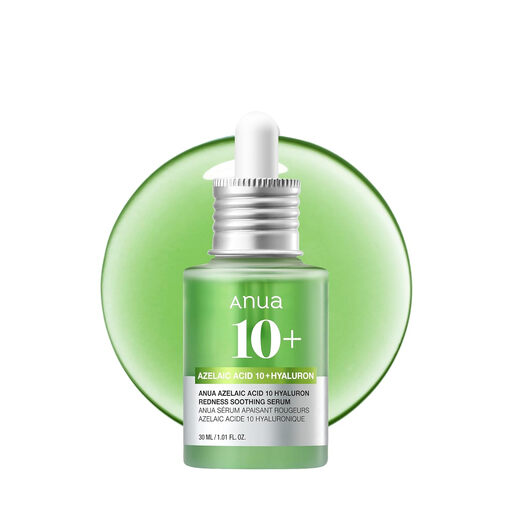
Why this fits the profile: This serum is aimed at users who want to incorporate azelaic acid into a routine for redness or blemishes and are prepared to build up the frequency slowly.
The usage instructions advise starting with 1–2 drops, once or twice a week. This stops you from using an active ingredient too often straight away.
Contains 10% azelaic acid according to the ingredients list, plus hyaluronic acid, panthenol, Centella Asiatica and ceramide NP.
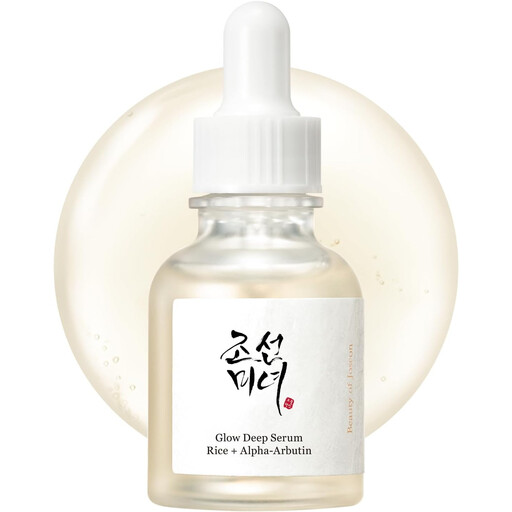
Why this fits the profile: The formula is designed for a dull or uneven complexion and suits users who are specifically looking for a serum for dark spots.
The product information lists specific ingredients and the claimed purpose, rather than just a general promise of radiance. Use sun protection during the day.
Contains 2% alpha-arbutin, niacinamide, glycerine and rice bran water; the bottle holds 30 ml.
We’ve put together a full, up-to-date list of products that fully meet these strict selection criteria and comply with current European safety regulations.
After cleansing and, if you use one, a toner, apply a few drops to your face. Gently pat the product in and then follow with a moisturiser. In the morning, finish with sunscreen. With active formulas, such as azelaic acid or retinol, start with a low frequency.
That depends on the size, dosage and how often you use it. A 30 ml bottle used daily will generally not last as long as a 50 or 100 ml pack. Check the expiry information and the recommended period after opening on the packaging.
Yes, but keep your routine simple. For example, combine a hydrating serum with a moisturiser. Be more cautious with multiple active ingredients, such as vitamin C, retinol, salicylic acid and azelaic acid. Introduce one new product at a time so you can better assess how your skin reacts.
