
Vandaag of morgen in huis

Kwaliteit gegarandeerd

Welkomstaanbiedingen ontgrendelen: GRATIS bezorging | Tot 80% korting | Gratis 30 dagen JoyPlus-proefperiode
Download de app
A Korean face serum can be a useful addition to a simple skincare routine. However, it’s best not to choose one based solely on eye-catching packaging, a long ingredients list or terms such as “glass skin”. The difference between a good buy and a disappointing one usually comes down to the active ingredients, the texture and how you use the product.
A serum with dozens of ingredients may look comprehensive, but more ingredients don’t necessarily make it a better choice. Start by looking for ingredients that suit your needs:
A 10% niacinamide serum or a 10% azelaic acid serum may sound appealing, but a higher concentration may feel less comfortable for some people. If you’re choosing a serum for sensitive skin, it’s especially important to introduce it gradually.
For example, the product information for ANUA Azelaic Acid 10 Hyaluron Redness Soothing Serum recommends starting with 1 to 2 drops, once or twice a week. If you experience dryness, stinging or redness, reduce how often you use it or stop temporarily. Use sun protection during the day if advised on the packaging.
This description tells you little about fragrance, alcohol, acids or texture. A lightweight, watery serum may feel comfortable on combination skin, while a gel or lotion texture may be more comfortable for dry skin. Always read the INCI list, warnings and instructions on the packaging. Product formulas can change.
Start with one clear question: what would you like to improve?
A face serum is usually applied after cleansing and, if you use one, toner, followed by a moisturiser. Two to three drops are often enough, but follow the instructions for the specific product. A lightweight formula usually sits well under sunscreen or make-up. A richer formula may be better suited to evening use.
Check the size, too: a 30 ml bottle is common, while a 150 ml booster will last longer with daily use. So compare not only the price per pack, but also the amount and recommended dosage.
Before buying, check:
If you experience irritation, swelling or persistent redness, stop using the product. Avoid contact with your eyes and don’t use active ingredients on damaged skin.
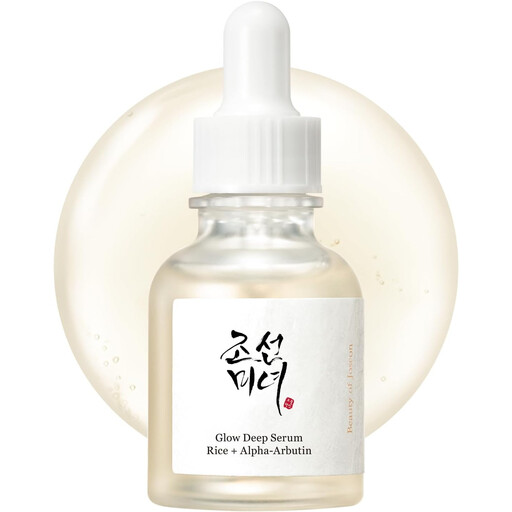
Why it suits this profile: This lightweight formula combines rice bran water, 2% alpha-arbutin and niacinamide. It’s a straightforward place to start if you want to combine hydration with a more even-looking complexion.
The product information gives specific percentages and recommends evening use, rather than making a general promise without explaining how to use it.
30 ml, fragrance-free according to the product details, with 2% alpha-arbutin, niacinamide and panthenol.
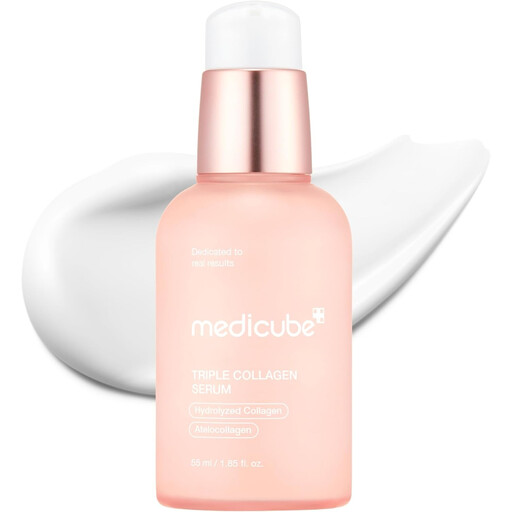
Why it suits this profile: If you’re looking for a generous amount and a lightweight texture, this formula contains various collagen ingredients, hyaluronic acid and niacinamide.
The ingredients list lets you check what’s in the formula. Do note that alcohol denat. and fragrance are listed.
55 ml, a lightweight texture according to the product description, and several forms of collagen and hyaluronic acid.
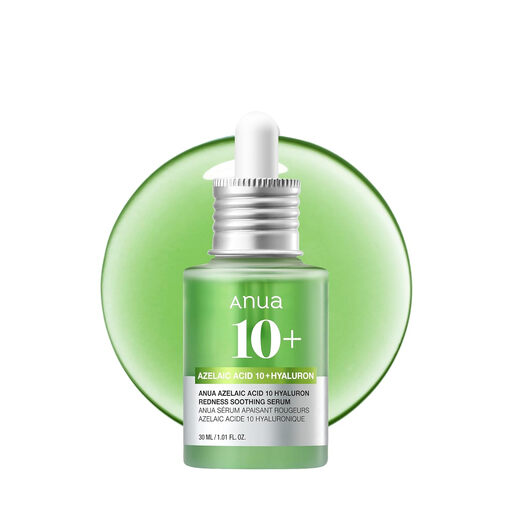
Why it suits this profile: This option is aimed at people looking for a serum to address redness or blemish-prone skin, and who are happy to introduce it gradually.
The instructions recommend introducing it gradually, doing a patch test and taking care to keep skin hydrated when using 10% azelaic acid.
10% azelaic acid, panthenol, allantoin, centella and sodium hyaluronate in a 30 ml formula.
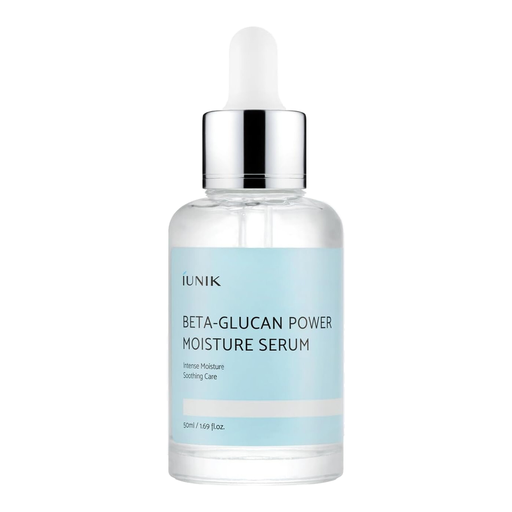
Why it suits this profile: The product information focuses on moisture and comfort, without a large number of exfoliating active ingredients. This makes it a practical choice for a short routine.
It focuses on one clear goal: replenishing moisture. That makes it easier to pair with other products without layering several potent actives.
50 ml, with beta-glucan as the key ingredient according to the product information, aimed at dehydrated skin.
We’ve put together a complete, up-to-date list of products that meet these strict selection criteria and current European safety requirements.
It depends on the formula. You can often use a hydrating serum daily, as directed on the label. With an azelaic acid serum, vitamin C product or retinal formula, it’s better to build up use gradually. Always follow the product instructions and stop if irritation occurs.
With daily use, a 30 ml bottle will usually last from a few weeks to a few months. How long it lasts in practice depends on the amount you use, how often you apply it and the texture. Check the expiry date and period after opening on the packaging.
You can, but don’t start by combining several potent active ingredients. A hydrating serum with glycerin or hyaluronic acid is generally easier to pair with other products. Introduce a niacinamide serum, peptide serum or serum for dark spots gradually, and first check how your skin responds.
