
Vandaag of morgen in huis

Kwaliteit gegarandeerd

Welkomstaanbiedingen ontgrendelen: GRATIS bezorging | Tot 80% korting | Gratis 30 dagen JoyPlus-proefperiode
Download de app
A Korean face serum can be a useful addition to your daily skincare routine. However, the choice is vast and many products look similar. A low price doesn't tell you much about the formula, while a long ingredients list doesn't automatically mean a serum is right for your skin.
That's why the Joybuy Product Recommendation Officer filters the most important information based on verifiable product data: ingredients, volume, usage advice, texture and warnings.
Words like "glow", "lifting", "glass skin" and "anti-ageing" often describe a desired appearance, not a guaranteed outcome. According to brand product information, ingredients such as niacinamide, hyaluronic acid, peptides or vitamin C can contribute to hydration or a more even-looking complexion. That's different from a medical effect or a permanent change to the skin.
So always look first at the INCI ingredients list, the concentration when stated, and the usage instructions.
A vitamin C serum, niacinamide serum, peptide serum and exfoliating product can each be interesting on their own. However, if you add several new products at the same time, you won't know which one is causing a reaction. Start with one face serum and use it for a few days according to the label.
Extra caution is needed with ingredients like retinal, retinol, azelaic acid or salicylic acid. Build up usage gradually and use sun protection during the day when recommended on the packaging.
"For all skin types" doesn't mean every formula will feel comfortable for everyone. A serum with fragrance, alcohol denat. or several active ingredients may be less suitable if your skin reacts quickly. Always check the current packaging: ingredients can change.
A hyaluronic acid serum may contain multiple forms of hyaluronic acid. That mainly tells you about the composition, not a guaranteed "deep" effect. A serum with a short ingredients list can be more practical for sensitive skin than a formula with lots of plant extracts.
Also pay attention to the texture. A watery serum is handy for layering and for oily skin; a gel or oil-based formula can be more comfortable for dry skin.
A 30 ml bottle is standard, while 50, 100 or 150 ml can be better value if you use the product daily. Check on the packaging:
Use a serum after cleansing and, if you like, after toner. Finish with a moisturiser. Sun protection should be part of your daytime routine when you use active ingredients.
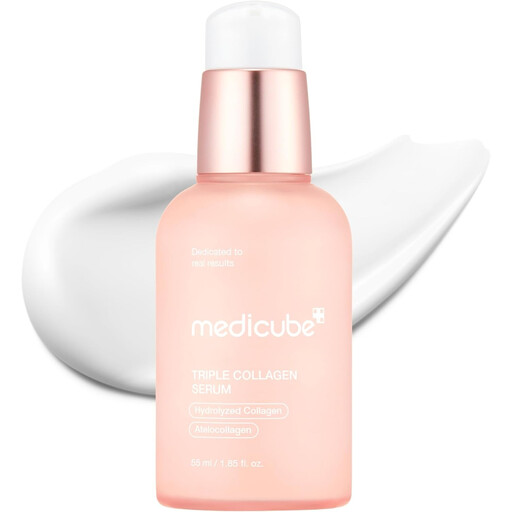
Why this fits the profile: For those wanting to combine multiple goals, the product description states a formula with three named forms of collagen, hyaluronic acid and niacinamide.
The product information names the key active ingredients specifically. Do check for fragrance and alcohol denat. if your skin is sensitive to them.
55 ml volume; lightweight texture according to the product description; combination of collagen, hyaluronic acid and niacinamide.
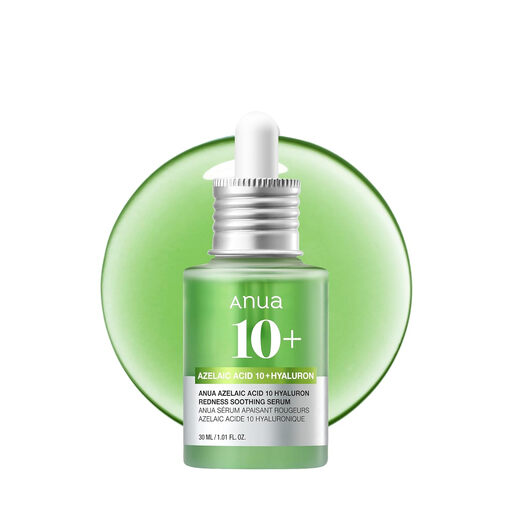
Why this fits the profile: This serum is aimed at users who want to combine azelaic acid with hydrating and soothing ingredients like panthenol, hyaluronic acid, beta-glucan and ceramide NP.
The instructions advise starting with once or twice a week. This helps prevent using too many active ingredients too quickly.
10% azelaic acid according to the product information; contains hyaluronic acid, panthenol and ceramide NP; a build-up schedule is provided.
We've put together a full, up-to-date list of products that fully meet these strict selection criteria and comply with current European safety regulations.
First, cleanse your face and use toner if you wish. Then apply a small amount of serum, usually a few drops or one or two pumps. Gently pat the product in and finish with a moisturiser. Always follow the instructions on the packaging.
That depends on the volume and dosage. A 30 ml bottle can last several weeks to months with daily use. Don't use more than recommended: a larger amount doesn't automatically give a better cosmetic result. Also check the period after opening.
You can, but add products gradually. Don't combine several strong active ingredients straight away. A simple hydrating serum with hyaluronic acid can usually be incorporated more easily than a combination of vitamin C, retinal, acids and a high percentage of niacinamide. If irritation occurs, stop using the product and consult a doctor if necessary.
