
Vandaag of morgen in huis

Kwaliteit gegarandeerd

Welkomstaanbiedingen ontgrendelen: GRATIS bezorging | Tot 80% korting | Gratis 30 dagen JoyPlus-proefperiode
Download de app
A Korean face serum can be a targeted addition to your daily skincare routine. However, it is not wise to rely solely on words such as “glow”, “glass skin” or a high percentage of active ingredients. The right choice mainly depends on your skin type, the results you are looking for and how easily the product fits into your routine.
A 10% niacinamide serum sounds powerful, but a higher concentration is not automatically more suitable. With sensitive skin, several active ingredients used together can cause discomfort more quickly. So, look at the full ingredients list rather than just the prominent percentage shown on the front.
A serum from South Korea may be designed for hydration, an uneven complexion, blemish-prone skin or mature skin. A hydrating serum with hyaluronic acid works differently in a routine from a vitamin C serum, retinal product or azelaic acid serum. “Korean” alone does not tell you which product is right for you.
A 30 ml face serum is common, but the contents can vary. Some products contain 15 ml, while others contain 50, 100 or 150 ml. Also check the expiry date, batch number and any information about the period after opening. Store a serum according to the instructions on the packaging, usually in a cool place away from direct sunlight.
Decide which skin concern you want to address first:
A vitamin C serum may contain different forms of vitamin C, such as ascorbic acid or a more stable derivative. A product containing retinal or retinol requires extra care: generally use it in the evening, avoid contact with the eyes and apply sun protection during the day according to the product instructions.
Do not immediately combine several powerful products. For example, start with one serum and use it a few times a week. This makes it easier to assess how your skin reacts.
A light, watery formula often works well under a moisturiser and sun cream. A richer formula may feel more comfortable on dry skin, but can feel less pleasant on oily skin. Also check:
According to the manufacturer's product description, results may vary depending on the formula. Terms such as “brightening”, “pore-refining” or “firmer-looking skin” should therefore be considered cosmetic product claims, not guaranteed results.
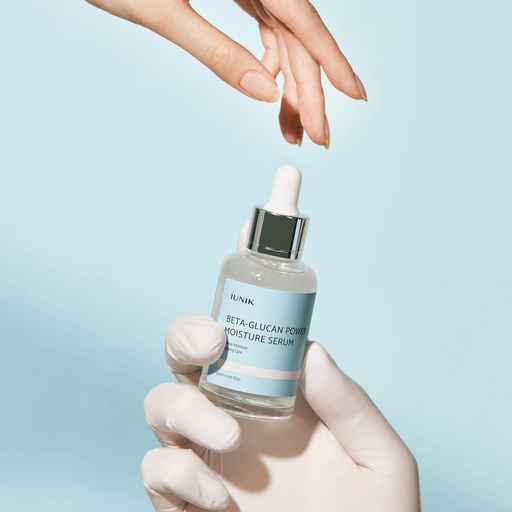
Why it suits this profile: The compact packaging is practical for trying a serum first or taking it with you. The product description lists beta-glucan as the key ingredient and states that it contains 50 ml.
You do not immediately opt for several powerful actives. However, always check the current ingredients list on the packaging.
Beta-glucan formula according to the product information; 50 ml contents; use after cleansing or toner.
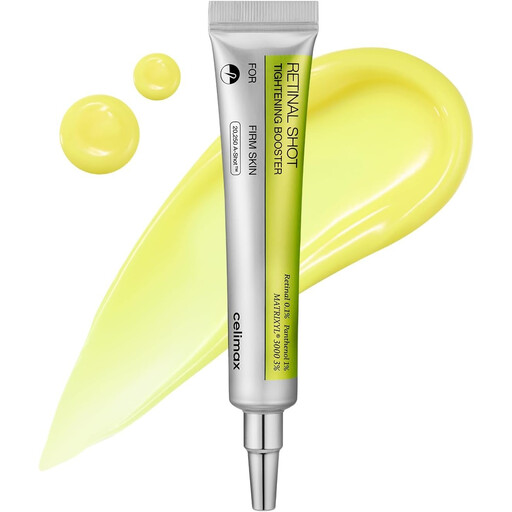
Why it suits this profile: This is a targeted retinal product containing 0,1% retinal and 15 ml. It is suitable for users who can build up their routine carefully and are prepared to follow the instructions.
The product information recommends starting every other evening, using a small amount and avoiding the eye area. This helps prevent increasing use too quickly.
0,1% retinal; 3% Matrixyl 3000 according to the product description; clear instructions for night-time use.
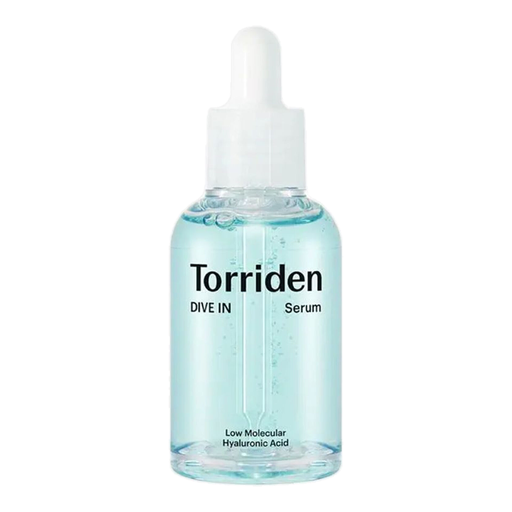
Why it suits this profile: If you mainly want to add moisture without a complicated combination of actives, this hyaluronic acid serum with 50 ml contents may be worth considering.
According to the product information, the formula focuses on hydration and contains no fragrance. This makes the choice more straightforward for users who prefer to avoid fragrance.
Five types of hyaluronic acid according to the product description; 50 ml contents; with panthenol, ceramide NP and beta-glucan.
We have put together a complete, up-to-date list of products that fully meet these strict selection criteria and the applicable European safety regulations.
A serum for sensitive skin often has a simple, fragrance-free formula containing ingredients such as beta-glucan, panthenol or centella asiatica. Always check the full ingredients list. Even a product described as mild can cause irritation if you have an individual allergy.
This depends on the amount and frequency of use. When applying a few drops at a time, 30 ml can last from several weeks to a few months. Follow the period-after-opening and shelf-life information on the packaging. A larger bottle is not automatically better value if you will not finish the product within the recommended period of use.
This can work in some routines, but it is not necessary to use both at the same time. Start with one product and only add the second later once your skin is responding well. If you experience redness, itching or a burning sensation, stop using the product and follow its safety information.
