
Vandaag of morgen in huis

Kwaliteit gegarandeerd

Welkomstaanbiedingen ontgrendelen: GRATIS bezorging | Tot 80% korting | Gratis 30 dagen JoyPlus-proefperiode
Download de app
A Korean face serum can become a regular part of your skincare routine, but the sheer choice can make it difficult to pick one. Are you mainly looking for hydration, a more even-looking complexion, less visible redness or care for acne-prone skin? If so, the name on the packaging isn’t enough. Check the ingredients, concentration, texture and directions for use.
Many shoppers spend more than they need to on a serum because of three common pitfalls:
A good choice starts with your skin goals and the official product information, not the most popular packaging.
The INCI list shows ingredients in descending order. Look for ingredients suited to your goals:
Always check the packaging for the latest ingredients list. Formulas can change.
A gel or watery ampoule often feels lightweight and can be a good choice for oily or combination skin. A richer formula with glycerine, oils or soothing ingredients may suit dry skin better.
For a serum for sensitive skin, practical things to look for include a short ingredients list, a fragrance-free formula and the option to introduce it gradually. “Hypoallergenic”, “vegan” and “dermatologically tested” are product claims; they don’t mean that everyone will be able to use the product without a reaction.
A 9 ml bottle is handy for trying out an active formula, but it contains less than a 30, 50 or 100 ml serum. Also check:
Product information for retinol or retinal usually recommends introducing it gradually and using it in the evening. Try a new product on a small area of skin first. Stop using it if you experience persistent redness, itching, swelling or a burning sensation, and seek medical advice if needed.
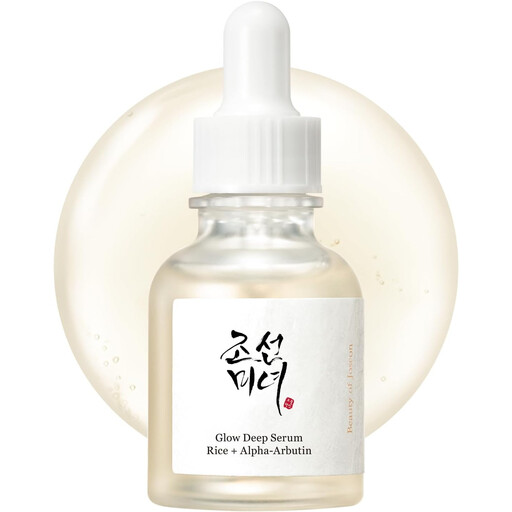
Why it suits this profile: The lightweight formula contains rice bran water, glycerine, 2% alpha-arbutin and niacinamide. It’s a straightforward choice if you’re looking for a serum for a more even-looking complexion without combining lots of different active products.
The product information clearly states the ingredients, 30 ml size and recommended evening use. This makes it easier to compare the formula without relying on the word “glow”.
30 ml; alcohol-free and fragrance-free according to the product details; contains 2% alpha-arbutin and hydrating glycerine.
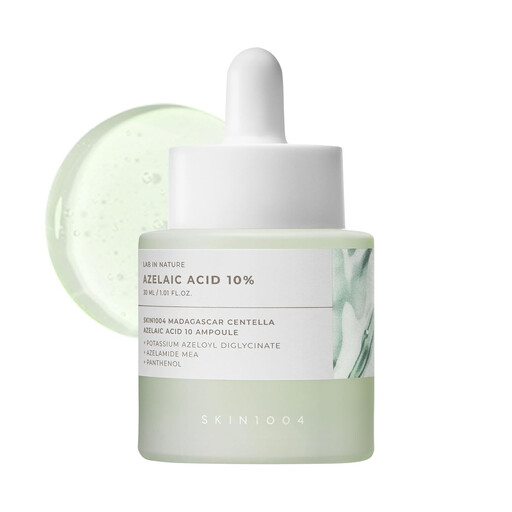
Why it suits this profile: This Korean face serum contains 10% azelaic acid and Centella asiatica and, according to the product information, is free from niacinamide. It may suit users specifically looking for an azelaic acid serum without niacinamide.
The directions recommend starting with use every other day. This helps you avoid using an active formula too often straight away.
10% azelaic acid; niacinamide-free formula; contains Centella asiatica and a lightweight hydrating base, according to the product details.
Apply a serum after cleansing and, if you use one, toner. Usually, two to three drops are enough; finish with a moisturiser. Introduce only one new active product at a time. This makes it easier to tell which product works well for you and helps reduce the risk of irritation.
It’s best to use a vitamin C serum or a product with alpha-arbutin alongside daily sun protection. Take extra care with retinol or retinal: these ingredients can increase sensitivity to sunlight. Product information for retinol products also warns against use during pregnancy or breastfeeding without advice from a healthcare professional.
When using a serum for dark spots, keep your expectations realistic. A cosmetic product can help improve the appearance of your skin, but it isn’t a substitute for medical treatment. If you have persistent acne, painful inflammation or sudden changes to your skin, it’s best to seek advice from your GP.
We’ve put together a complete, up-to-date list of products that meet these strict selection criteria and the current European safety requirements.
Choose a straightforward, fragrance-free formula and test a small amount first. A hydrating face serum with glycerine, panthenol or Centella can be a practical place to start. Introduce azelaic acid, vitamin C, retinol or retinal gradually.
It depends on the size and how often you use it. With daily use of a few drops, a 30 ml bottle will generally last longer than a 9 ml ampoule. Always follow the shelf-life information on the packaging and make sure the cap or pipette is tightly closed.
You can, but it isn’t always necessary. Start by combining a hydrating serum with one targeted product. Be cautious about using retinol, azelaic acid, vitamin C and exfoliating acids at the same time. A simple routine makes it easier to assess how your skin responds.
