
Vandaag of morgen in huis

Kwaliteit gegarandeerd

Welkomstaanbiedingen ontgrendelen: GRATIS bezorging | Tot 80% korting | Gratis 30 dagen JoyPlus-proefperiode
Download de app
A Korean face serum can be a targeted addition to your routine, but the sheer range of options can make choosing difficult. A hydrating serum, centella ampoule or niacinamide serum may look appealing, while the formula may not suit your skin or routine.
It is therefore worth watching out for three common pitfalls:
Start by choosing according to your skin concern, rather than the packaging or popularity.
A brand may claim that an ingredient reduces redness, blemishes or pigmentation. Do not present this as a guaranteed result: according to the brand’s own research or product information, it is associated with a particular effect or visible improvement. Results vary from one person’s skin to another.
A serum for sensitive skin does not necessarily have to be free from active ingredients. The concentration, texture and combination of other ingredients are all important. For example, SKIN1004 Azelaic Acid 10% states that its formula is free from niacinamide. The product information recommends using it every other day at first.
With retinol and retinal, introducing the product gradually is particularly important. Preferably use it in the evening, start with a low frequency and apply sun protection during the day. During pregnancy or breastfeeding, you should avoid retinol products unless otherwise advised by a healthcare professional.
A 30 ml bottle is common for a Korean skincare serum, but ampoules are also available in 9, 50, 55 or 100 ml. A larger size can be convenient for daily use, while a smaller bottle is suitable if you want to try an active ingredient first.
Also check:
When trying a new product, first carry out a small patch test on a limited area of skin. Stop using it if irritation persists, and seek advice from a doctor or pharmacist if you experience severe or recurring skin problems.
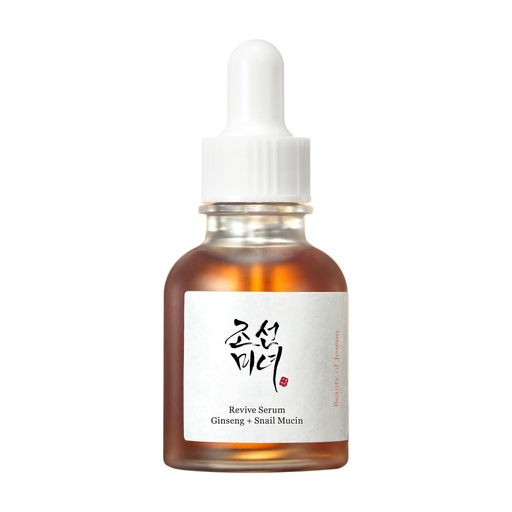
Why it suits this profile: The gel texture and 30 ml size make this an easy starting point for anyone looking to add hydration and comfort without combining several serums.
The product information lists clear ingredients such as 3% snail mucin filtrate, ginseng root water, glycerine and hyaluronic acid, so you do not have to rely solely on the marketing name.
Glycerine, centella asiatica and several forms of hyaluronic acid; pump bottle; according to the product details, suitable for dry, normal and combination skin.
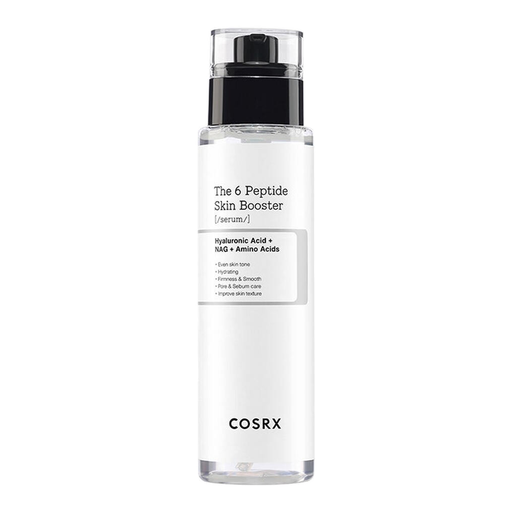
Why it suits this profile: The generous size is practical for users who want to apply a booster daily as a regular step after toner.
The product description mentions six peptide variants and an ingredients list that includes niacinamide, allantoin and sodium hyaluronate. This provides more useful information than a general claim about a ‘booster effect’.
150 ml volume; six listed peptides; instructions to use after toner and before moisturiser.
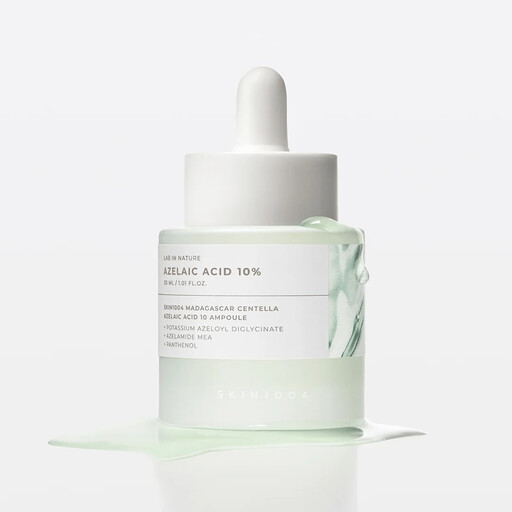
Why it suits this profile: This compact size is suitable for anyone who wants to introduce an azelaic acid serum in a targeted way and build up usage carefully.
The directions recommend starting every other day during the first week and avoiding use on damaged or irritated skin.
10% azelaic acid; centella asiatica; niacinamide-free formula; warning that you may experience tingling or warmth when first using the product.
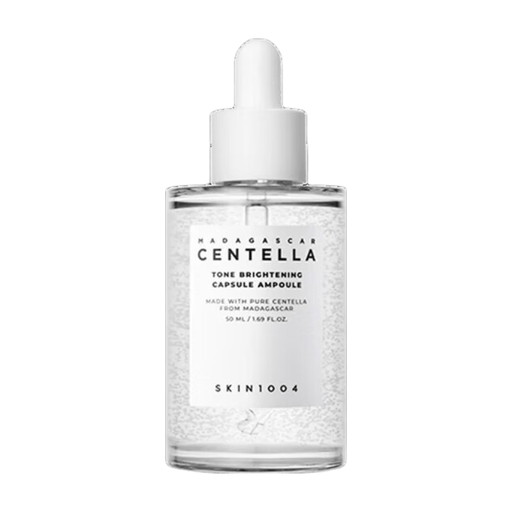
Why it suits this profile: The combination of niacinamide, tranexamic acid and a vitamin C derivative suits users who want to target an uneven complexion with a single serum step.
The ingredients list makes the combination clear: niacinamide is listed alongside tranexamic acid and 3-O-ethyl ascorbic acid. Use sun protection during the day, as advised in the product warning.
50 ml volume; centella asiatica and panthenol; contains niacinamide, tranexamic acid and a vitamin C derivative.
Apply a Korean face serum usually after cleansing and, if desired, after toner. Use a few drops or the amount stated on the label. Follow with a moisturiser. During the day, sunscreen should be the final step.
Preferably start with one new serum. This makes it easier to see how your skin reacts. Do not introduce a niacinamide serum, vitamin C serum, azelaic acid serum or retinol serum all at once. A simple routine is easier to maintain and makes potential sources of irritation easier to identify.
We have put together a complete, up-to-date list of products that fully meet these strict selection criteria and the applicable European safety regulations.
It depends on the ingredient. A hydrating serum can often be used daily according to the label. With retinol, retinal and azelaic acid, it is wiser to build up gradually. For example, start every other day and reduce the frequency if irritation occurs.
Look for a short ingredients list without unnecessary fragrances and consider choosing centella, panthenol or hydrating ingredients. A serum for blemishes or a serum for pigmentation may also be suitable, but active ingredients should be used with care. Test the product on a small area of skin first.
Follow the expiry date and the period-after-opening symbol on the packaging. A vitamin C serum may be particularly sensitive to light, heat and air. Vitamin C23, for example, recommends refrigerated storage and use within two months of opening to maintain product quality. Always check the current packaging, as instructions may vary from one product to another.
