
Vandaag of morgen in huis

Kwaliteit gegarandeerd

Welkomstaanbiedingen ontgrendelen: GRATIS bezorging | Tot 80% korting | Gratis 30 dagen JoyPlus-proefperiode
Download de app
A Korean face mask can be a useful addition to your skincare routine. However, there is a huge range to choose from: from a classic sheet mask and hydrogel face mask to a powder mask or overnight face mask. The packaging often promises a glow, intense hydration or skin barrier support. That does not automatically mean every mask will suit your skin or the time you plan to use it.
The following points will help you make a more informed choice and avoid buying products that are not right for you.
A mask containing lots of active ingredients may seem appealing, but a long list can also mean your skin is exposed to several potential irritants at once. Pay particular attention to ingredients your skin has reacted to before, such as fragrance, essential oils, limonene or certain exfoliating acids.
For sensitive or redness-prone skin, a simple formula is often easier to assess. If in doubt, carry out a patch test first and do not use a mask on damaged or irritated skin.
Glow face masks can make your skin look temporarily smoother or more hydrated after use. This visual effect is different from a proven long-term change. A brand’s own research may report certain results, but always check the conditions under which the research was carried out.
Instead, look at specific information such as the number of masks in the pack, the amount of essence, the recommended application time and the ingredients. This allows you to compare products using verifiable information rather than marketing language alone.
A sheet mask is not automatically designed to be worn overnight. According to the product instructions, some hydrogel masks are suitable for two to three hours or overnight use, while others should be removed after 10 to 20 minutes. Follow the instructions on the packaging.
A dried-out mask can also feel uncomfortable and is less suitable for a hydration-focused routine. Therefore, only use an overnight face mask when the manufacturer clearly states that it is suitable for this purpose.
Choose the format that fits your routine:
Also consider the fit. A mask that does not sit properly around the nose, chin and jawline will distribute the essence less evenly.
For a hydrating face mask, relevant ingredients include glycerin, hyaluronic acid, panthenol and betaine. If you want to support the skin barrier, look for ceramides, cholesterol, fatty acids and panthenol. Centella asiatica is often used in a soothing face mask, but a brand’s claim about soothing should be understood as a description of the intended effect, not a medical guarantee.
A collagen face mask may contain collagen extract or hydrolysed collagen. This does not automatically mean that the product affects the body’s own collagen production. Assess the mask primarily based on its texture, hydrating ingredients and how it feels to use.
A pack containing 10 or 30 masks may seem good value per mask, but only if you will use them within a reasonable time. Check the expiry information on the packaging and store opened packaging properly sealed, in a cool place and away from direct sunlight.
A product containing four intensive hydrogel masks may be more practical for weekly use. A pot containing 30 individual sheet masks may be better suited to a short daily routine. The right choice depends on how often you will actually use the masks, not just on how many are in the box.
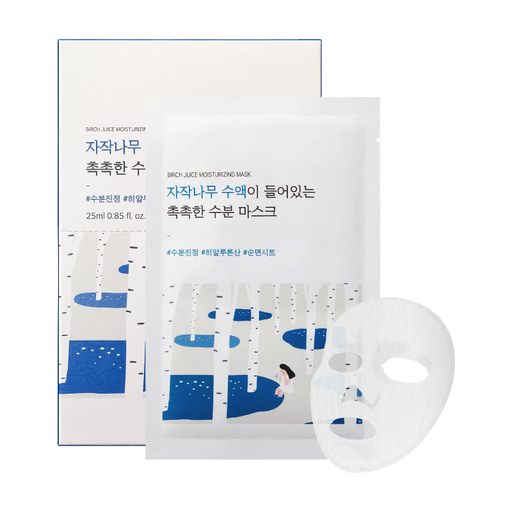
Why it suits this profile: A pack of 10 sheet masks is a straightforward option for anyone who wants to try Korean skincare at an easy pace and is looking for a simple hydrating routine.
The product information gives a clear application time of 10 minutes and 25 ml of essence per mask. This means you do not have to guess how long to leave it on.
10 individual masks, with glycerin, sodium hyaluronate and allantoin listed among the ingredients.

Why it suits this profile: This hydrogel face mask is well suited to a weekly skincare routine focused on intense hydration and ingredients that support the skin barrier.
The usage information specifically states 3 to 4 hours during the day or overnight use. This makes the longer wear time clearer than it is with a standard sheet mask.
4 masks weighing 34 g each; the ingredients list includes ceramides, several forms of hyaluronic acid and panthenol.
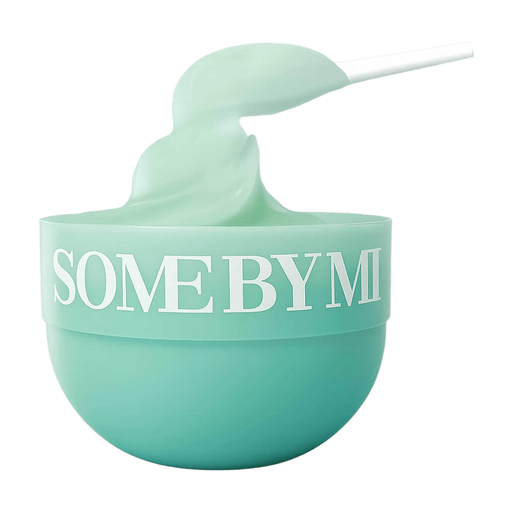
Why it suits this profile: The individual powder sachets are suitable for users who want to mix a wash-off mask and tailor their routine to a specific skincare occasion.
The instructions specify around 45 ml of water, a 10-minute application time and use once or twice a week. They also warn that PHA may increase sensitivity to the sun.
10 individual sticks, fragrance-free according to the product description, with gluconolactone as the PHA ingredient.
When using a mask containing PHA, vitamin C, essential oils or limonene, pay extra attention to how your skin reacts. Stop using it if you experience irritation, redness, itching or a burning sensation. If symptoms persist, seek medical advice.
We have put together a complete, up-to-date list of products that fully meet these strict selection criteria and the applicable European safety regulations.
It depends on the formula. A mild hydrating sheet mask may be used more frequently according to the product instructions, while a mask containing PHA is usually intended for use once or twice a week. Always follow the directions on the packaging and consider your skin’s tolerance.
Only when the manufacturer states that you can. Some hydrogel masks are suitable for overnight use or should be left on for several hours. A standard sheet mask is usually removed after 10 to 20 minutes. The recommended application time should always be followed.
Look for a fragrance-free or simply formulated product and avoid ingredients you know your skin reacts to. Centella asiatica, panthenol, glycerin and ceramides are often found in products designed to soothe and hydrate. “Suitable for sensitive skin” remains a product claim, so check the full ingredients list yourself and carry out a patch test.
