
Vandaag of morgen in huis

Kwaliteit gegarandeerd

Welkomstaanbiedingen ontgrendelen: GRATIS bezorging | Tot 80% korting | Gratis 30 dagen JoyPlus-proefperiode
Download de app
A K-beauty face mask can be a simple addition to your routine, but there is a huge range to choose from. If you are looking for hydration, soothing care, a fresher appearance or support for oily, blemish-prone skin, it is important not to focus solely on eye-catching ingredients or attractive packaging.
The product description does not automatically determine what your skin needs. According to a brand’s own research, ingredients such as collagen, propolis or Centella asiatica may offer certain benefits, but that does not guarantee the same result for every user. So check the full ingredients list, application time and formula.
A Centella asiatica mask is often associated with a soothing sensation. A collagen face mask, on the other hand, is often presented as helping to create a firmer-looking appearance. In both cases, one ingredient does not tell the whole story. The concentration, the rest of the formula and your skin’s condition all play a part.
Terms such as face mask for acne or anti-ageing face mask are also no guarantee of a medical effect. Treat these products as cosmetic skincare. If you have persistent acne, severe irritation or damaged skin, advice from a doctor or dermatologist is more appropriate.
A sheet mask or hydrogel mask does not need to remain on your face for hours. A dried-out sheet can feel uncomfortable and is not suitable for every skin type. Always follow the instructions on the packaging. For many sheet masks, the recommended application time is around 10 to 20 minutes. Some hydrogel masks are designed to be worn for longer, for example until they become transparent.
‘Soothing’ does not automatically mean fragrance-free. Check the INCI list for fragrance, essential oils and fragrance allergens such as limonene, linalool or hydroxycitronellal. If you have sensitive skin, carry out a patch test on a small area first. Stop using the product if you experience a burning sensation, itching, swelling or redness.
The format determines how easily a mask fits into your routine:
Choose a format you will actually use. A large jar is not automatically better value if you rarely apply the product or do not seal the packaging properly.
For a hydrating face mask, ingredients worth looking out for include glycerine, betaine, panthenol, hyaluronic acid and sodium hyaluronate. For barrier-focused skincare, you may want to look for ceramides, cholesterol and fatty acids.
A pore-cleansing mask may contain clay, charcoal or salicylic acid. These formulas can feel more intensive and are not always suitable for daily use. Use them according to the label and do not simply combine several exfoliating products on the same day.
A soothing face mask often contains Centella asiatica, allantoin and dipotassium glycyrrhizate. Brand product descriptions may link these ingredients to a soothing effect; consider this a cosmetic product claim and pay attention to how your own skin reacts.
Do not compare only the price of a box. Divide the price by the number of masks or the net contents. A pack of 30 sheets is practical for regular use, while a set of three hydrogel masks may be better suited to occasional skincare.
Also check:
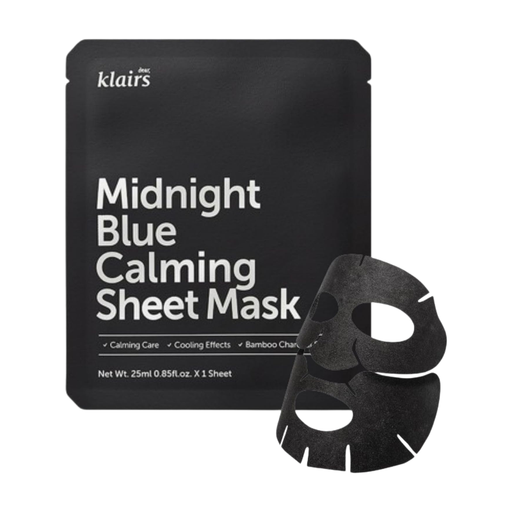
Why it suits this profile: A box containing 10 individual sheets makes regular use easy to manage. According to the product description, the mask is free from artificial colourants and fragrances, although the ingredients list does include limonene.
The recommended application time of 15–20 minutes is clearly stated. This means you do not need to leave the sheet mask on unnecessarily long.
10 masks per pack; contains glycerine, erythritol, allantoin and Centella asiatica, among other ingredients, according to the stated INCI list.
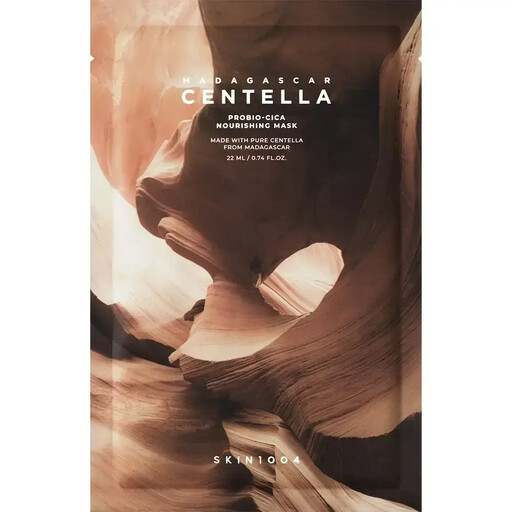
Why it suits this profile: The formula combines fermented Centella asiatica extract, ceramides and a 9-peptide complex. This makes it a good fit for anyone prioritising a rich, barrier-focused formula.
The product information highlights more than one popular ingredient, specifying ceramides as well as an application time of 10–20 minutes.
Sheet mask with ceramides; according to the product information, suitable for dry, normal, combination and sensitive skin.
We have put together a complete, up-to-date list of products that fully meet these strict selection criteria and the applicable European safety regulations.
A mask does not replace daily cleansing and moisturiser. Introduce new active ingredients one at a time, so you can more easily identify which product may be causing irritation.
That depends on the formula. A hydrating sheet mask can be used several times a week according to the packaging, while a clay, salicylic acid, PHA or retinol mask is usually better suited to less frequent use. Follow the product instructions and see how your skin reacts.
Usually not. A standard sheet mask is generally designed to be worn for around 10–20 minutes. A hydrogel mask or overnight face mask can be worn for longer, but only when the manufacturer explicitly says so.
Some formulas are fragrance-free and contain ingredients such as panthenol, allantoin or Centella asiatica. Other products contain essential oils, fragrance allergens, retinol or acids. Always check the full INCI list and carry out a patch test beforehand.
