
Same-day & Next-day Delivery

Quality Guaranteed

Unlock Your Welcome Offers: FREE Delivery | Up to 80% OFF | Free 30-day JoyPlus trial
Download the APP
A Korean face mask can seem like a quick way to give your skin some extra care. However, choosing the right one can be difficult. Sheet masks, hydrogel masks and clay masks differ considerably in how they are used, their ingredients and how they feel on the skin. The packaging may promise brighter, firmer-looking or clearer skin, but these results are not the same for everyone.
So, watch out for these three common pitfalls:
A sheet mask is a fabric mask already soaked in essence. It is practical for a short skincare routine and works well for dry or tight-feeling skin when the formula contains hydrating ingredients.
A hydrogel mask generally fits closely to the skin. Some varieties become transparent while you wear them. The recommended wear time may be longer than for a traditional sheet mask, but always check the packaging. A collagen mask or hydrogel mask is particularly appealing if you are looking for a comfortable, intensive skincare treatment.
A clay mask is rinsed off and is generally used for oily, combination or blemish-prone skin. Kaolin, bentonite and other types of clay are often found in formulas designed to cleanse pores. If you have dry skin, you could apply this type of mask only to your T-zone.
For hydration, you will often see glycerine, hyaluronic acid, panthenol, betaine or ceramides. A soothing face mask may contain Centella Asiatica, allantoin or liquorice root, for example. However, the presence of one ingredient does not guarantee a particular result.
According to the product description, the SKIN1004 Centella hydrogel mask contains 51% Centella Asiatica extract and is formulated without artificial fragrances, parabens, sulphates, drying alcohol or silicones. Always check the current ingredients list on the packaging before buying, especially if you have sensitive skin.
Extra care is advisable with formulas containing salicylic acid, glycolic acid, gluconolactone or citrus oils. According to the product information, the MEDICUBE Zero Pore Blackhead Mud Mask contains AHA, BHA and PHA, as well as bergamot, lemon and orange oils. The manufacturer recommends a patch test, particularly for sensitive skin.
Do not compare only the price per pack. Also check the number of masks and the net weight. A box of ten sheet masks may offer better value for regular use than a single luxury hydrogel mask, while a pot of clay mask can provide several applications.
Also check:
Carry out a small patch test before using a new product. Stop using it if you experience a burning sensation, redness, itching or swelling. Cosmetic claims made by brands, such as “firms” or “restores the skin barrier”, should be understood as information provided by the brand, not as a guaranteed result.
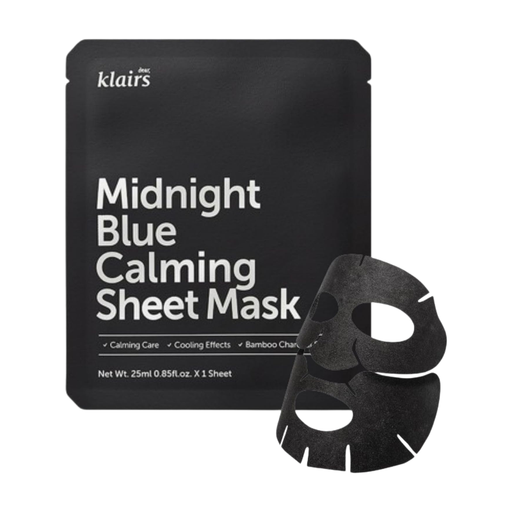
Why it suits this profile: A straightforward sheet mask for anyone wanting to try Korean skincare without a complicated routine. The pack contains ten 25 ml masks.
The product description states that it contains no artificial colourings or fragrances. However, check the full list: limonene and tea tree oil are included.
Rayon sheet, 15–20 minute wear time, Centella Asiatica and erythritol according to the product information.
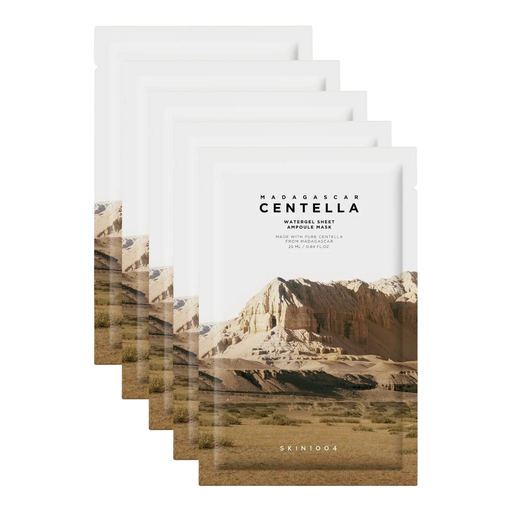
Why it suits this profile: Suitable for anyone looking for a hydrogel mask with a clear focus on hydration and Centella.
The product description explicitly states a 15–20 minute wear time and a formula without artificial fragrances.
51% Centella Asiatica extract according to the product information; hydrogel format and a pack containing five masks.
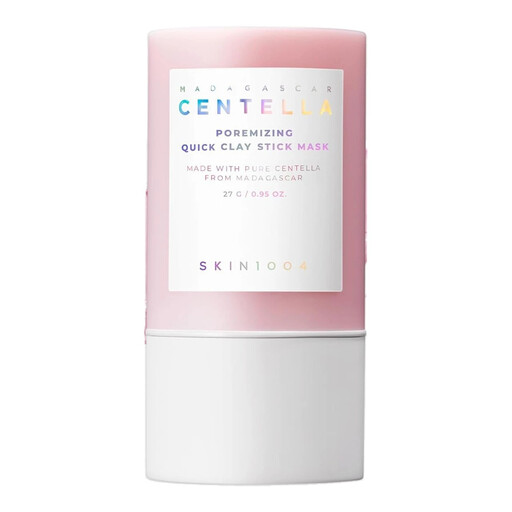
Why it suits this profile: A practical choice for anyone wanting to use a clay mask specifically for blackheads and visible pores, for example on the T-zone.
The stick format makes targeted application easier. The instructions specify a 3–5 minute wear time, followed by rinsing with lukewarm water.
According to the ingredients list, it contains kaolin, bentonite, illite and Centella Asiatica extract; contents: 27 g.
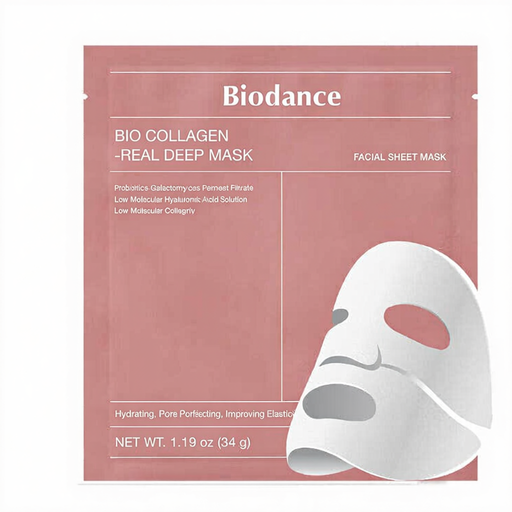
Why it suits this profile: For users who want to wear a hydrogel or collagen mask for longer as part of a weekly routine.
The instructions clearly state 3–4 hours of use or overnight wear. The mask is for single use and must be discarded afterwards.
Four 34 g masks; the ingredients list includes collagen extract, glycerine, niacinamide and hydrolysed hyaluronic acid.
We have compiled a complete, up-to-date list of products that fully meet these strict selection criteria and the applicable European safety regulations.
Cleanse your face first and apply toner afterwards if desired. Apply a sheet mask or hydrogel mask evenly, avoiding the skin around your eyes and lips. Gently massage the remaining essence into your skin, rinsing only when the instructions say to do so.
Do not use a pore-cleansing mask on the same day as several other exfoliating products if your skin is sensitive to them. A hydrating face mask can be used once or several times a week, depending on the product instructions and how your skin feels. During the day, sun protection remains important, particularly when using products containing acids or vitamin C.
It depends on the type. A hydrating sheet mask is often used once to a few times per week, as directed on the packaging. A clay mask is generally less suitable for daily use. If a mask contains acids, essential oils or fragrance, it is advisable to carry out a patch test first.
Check the expiry date and batch information on the packaging. An opened mask in a pot should be closed securely and stored in a dry place. Sheet masks and hydrogel masks are normally intended for single use; store an unopened one in a cool place away from direct sunlight when the packaging advises this.
The price varies depending on the format, brand, contents and number of masks. Therefore, compare the price per mask or per use. A multipack of sheet masks can be practical for regular use, while a pot of clay mask offers several applications. Also consider the contents, delivery costs and recommended frequency of use.
