
Vandaag of morgen in huis

Kwaliteit gegarandeerd

Welkomstaanbiedingen ontgrendelen: GRATIS bezorging | Tot 80% korting | Gratis 30 dagen JoyPlus-proefperiode
Download de app
Buying a sheet mask seems simple: choose attractive packaging, look for a popular ingredient and you’re done. Yet many consumers pay too much for a mask that does not suit their skin or skincare routine. With Korean face masks, three pitfalls are particularly relevant:
A sensible choice therefore starts with your skin’s needs, the type of mask and the ingredients list.
A sheet mask is a pre-shaped sheet soaked in essence. It is practical for a short skincare step and suitable when you are mainly looking for hydration or a fresh feeling. Check that the sheet fits well around your nose, chin and jawline. A 100% cellulose sheet, such as the one used in the SKINFOOD Yuja C Vita Daily Mask, is designed for good adhesion according to the product description.
A gel face mask usually has a thicker, more flexible texture. This can be pleasant when you want a cooling or intensely hydrating sensation. With some hydrogel masks, the colour or transparency changes while you wear them. Always follow the time stated on the packaging; a mask intended to be worn for two to three hours is clearly different from a 5-minute mask.
An overnight sleeping mask is left on as the final layer of skincare and is usually rinsed off the following morning. This is a different product category from a single-use sheet mask. So look for instructions such as “sleeping pack”, “overnight” or “rinse off in the morning”.
For a hydrating face mask, you will often find glycerin, panthenol, hyaluronic acid, betaine or sodium hyaluronate in the ingredients list. If you are looking for a face mask for dull skin, you might look for ingredients such as niacinamide, vitamin C derivatives, yuja, galactomyces or glutathione. These ingredients do not automatically make a product suitable for every skin type.
With a collagen face mask, the formula generally contains hydrolysed collagen in a hydrating base. The product description may mention a firmer or plumper appearance, but this is not a guarantee of lasting change. According to the brand’s own research, a small group of participants reported firmer and more radiant-looking skin after use; these results do not necessarily apply directly to every user.
Also look out for potential fragrances, essential oils and acids. Products containing bergamot oil, lavender oil, parfum, citric acid or vitamin C may cause sensitivity in some users. A patch test is advisable, particularly if you have reactive skin.
A pack containing multiple sheets is useful if you want to establish a regular routine. The SKINFOOD mask contains 30 sheets and is intended for five minutes a day according to the product information. The SOME BY MI Galactomyces Glutathione Daily Mask also contains 30 sheets, but has a recommended wear time of 10 to 20 minutes.
A smaller pack is better suited to occasional use or if you want to try a formula first. The Peptide Collagen Brightening Water Gel Mask contains three masks and is worn for two to three hours according to the instructions, possibly overnight. A longer wear time does not automatically make it better value; calculate the cost per treatment and consider whether the routine suits you.
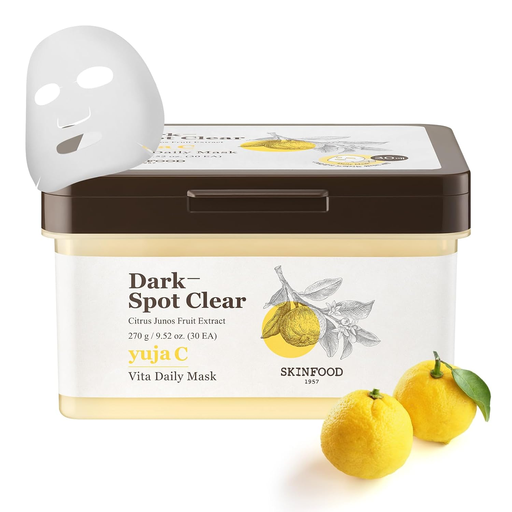
Why it suits this profile: The pack of 30 cellulose sheet masks is practical for anyone wanting to try a simple daily routine.
The five-minute wear time is clearly stated. This makes it less likely that you will leave the mask on for too long.
30 sheets, 100% cellulose and yuja extract with vitamin C according to the product description.
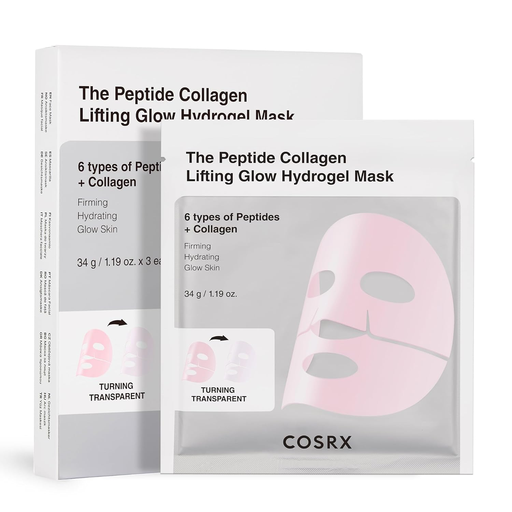
Why it suits this profile: This hydrogel mask is suitable for users looking for a longer, intensive skincare step rather than a short daily sheet mask.
The instructions state that it should be worn for two to three hours or removed when the mask becomes transparent. This makes application straightforward.
Contains peptides, collagen, hyaluronic acid and ceramides according to the ingredients list.
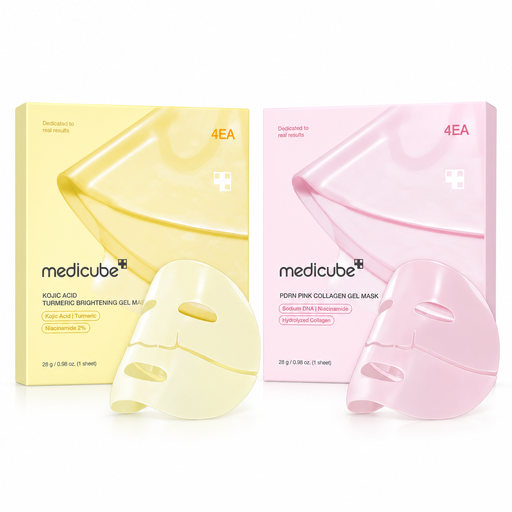
Why it suits this profile: The set offers two options: one mask for dull-looking skin and another for hydration and a firmer appearance.
You do not have to use one formula for every need: the two types are clearly separated in the packaging.
Four Kojic Acid Turmeric masks and four PDRN Pink Collagen masks in one set.
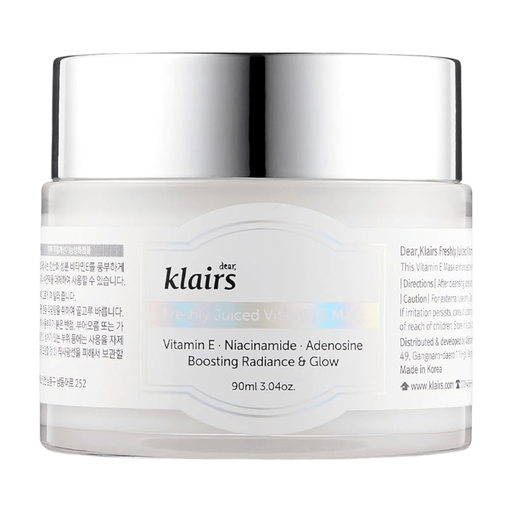
Why it suits this profile: The pudding-like gel can be used as a moisturiser or sleeping pack, depending on your evening routine.
The product description lists several ways to use it, so you do not buy a sheet mask for a routine it was not designed for.
90 ml, with vitamin E, niacinamide, sodium hyaluronate and ceramide NP according to the ingredients list.
We have put together a complete, up-to-date list of products that fully meet these strict selection criteria and the applicable European safety regulations.
First, cleanse your face and apply toner if desired. Apply a sheet mask without covering your eyes or lips. Remove it after the stated time and gently pat the remaining essence into your skin. Do not reuse a mask: most sheet masks are designed for single use.
With a vitamin C face mask, check whether the manufacturer recommends sun protection. If you experience irritation, redness, swelling or a burning sensation, stop using it immediately. Do not use a mask on damaged or irritated skin, and store opened packaging in a cool, dry place away from direct sunlight.
That depends on the formula. A daily mask will usually state this clearly, while an intensive gel mask is often used from once to several times a week. When trying a new product, begin with the frequency recommended on the packaging.
A brightening mask containing ingredients such as niacinamide, yuja or vitamin C is often chosen for a fresher-looking complexion. Results reported in a brand’s own research or claims are not guaranteed for every user. Also check whether the formula contains fragrance, essential oils or acids.
Not every mask is. Ideally, choose a short ingredients list and avoid substances to which you have previously reacted sensitively. First carry out a patch test on your wrist or behind your ear, then wait 24 hours before using the product on your face.
