
Vandaag of morgen in huis

Kwaliteit gegarandeerd

Welkomstaanbiedingen ontgrendelen: GRATIS bezorging | Tot 80% korting | Gratis 30 dagen JoyPlus-proefperiode
Download de app
A Korean skincare routine can start simply with a face mask. However, there is a wide range to choose from: from a sheet mask for the face with a watery essence to a hydrogel mask, wash-off clay mask or two-step treatment. The packaging often promises glow, repair, soothing benefits and firmer-looking skin. That can make comparing products difficult.
As a Joybuy Product Recommendation Officer, I therefore start with verifiable information: the type of mask, the ingredients list, the recommended wear time, the contents and the number of applications. This helps you avoid paying mainly for marketing language.
Words such as collagen, cica, Centella Asiatica, hyaluronic acid and PDRN sound appealing, but it is the overall formula that determines how a mask feels. Always check the full ingredients list. Also look out for potential fragrances, essential oils and alcohol if your skin reacts easily.
A Centella Asiatica mask or cica mask may suit a soothing routine, but “soothing” is not a guarantee for every skin type. A brand’s own research may have measured certain results under specific conditions. Treat such claims as product information rather than a guaranteed result for everyone.
Most sheet masks are used for around 10 to 20 minutes. Some hydrogel masks are designed to be worn for longer, such as the mask which, according to the product information, can be worn for 2 to 3 hours or overnight. Always follow the label. Leaving a mask on for too long after it has dried can feel uncomfortable.
A product may be described as suitable for all skin types, while the formula still contains ingredients that you are sensitive to. With a face mask for sensitive skin, a clear ingredients list, instructions for use and warnings are more important than a general claim on the front of the packaging.
A pack of 10 sheets may seem more expensive than a single mask, but the price per use can work out lower. Pay attention to both the number of masks and the amount of essence in each one. The ABIB Gum Mask Sheet Snow Lotus, for example, contains 10 sheets of 27 ml. According to the product information, the Dear, Klairs Midnight Blue Calming Sheet Mask is supplied as 10 pieces of 25 ml.
A single sheet is useful if you want to try a formula first. A box of 5 or 10 is a better choice if you plan to use the mask regularly.
If you have sensitive or blemish-prone skin, it is sensible to test a small amount or a limited area of the formula first. Stop using it if you experience burning, itching, swelling or persistent redness, and follow the warnings on the packaging.
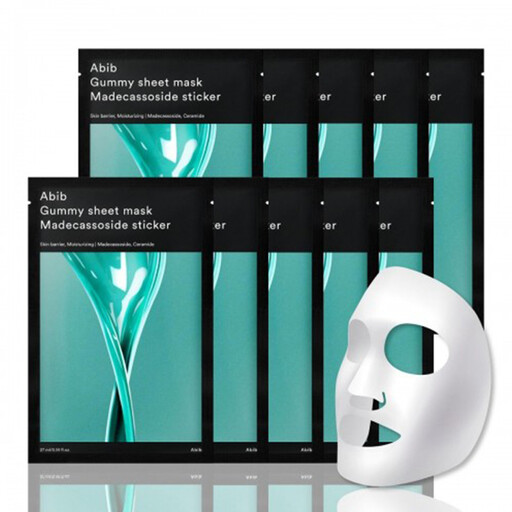
Why it suits this profile: A box of 10 sheets is practical if you want to try Korean skincare regularly without ordering a single mask each time.
The product information states the amount per sheet, the total number of masks and a 10-minute wear time.
10 sheets; 27 ml essence per mask; Centella Asiatica and madecassoside are listed.
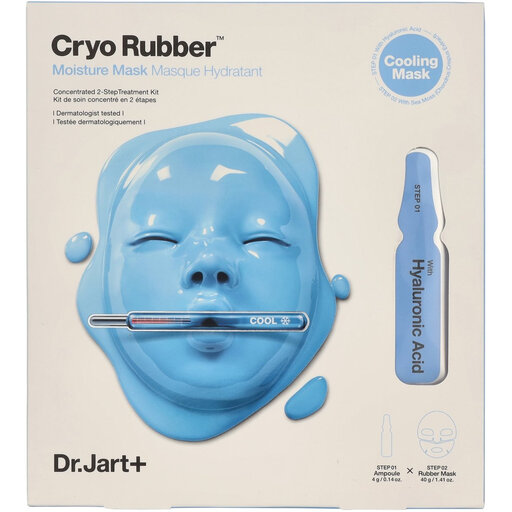
Why it suits this profile: For anyone looking for a more extensive skincare treatment and willing to set aside time for a two-step treatment.
The set makes it clear that the serum and rubber mask are used together; the recommended treatment time is 30–40 minutes.
2 sets; hyaluronic acid in the ampoule; flexible rubber mask according to the product description.
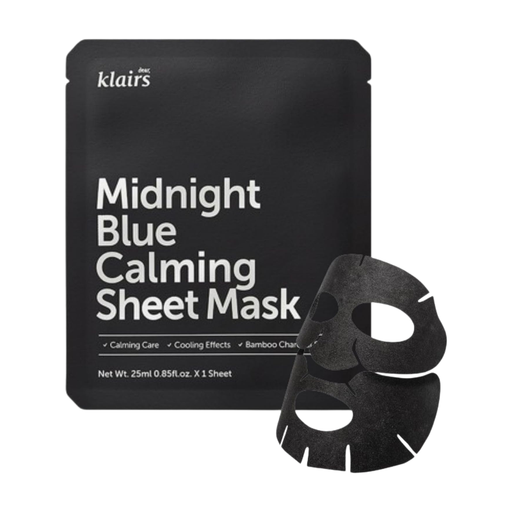
Why it suits this profile: The product information states that it has a vegan formula without artificial colourings or fragrance; note, however, the listed limonene.
The ingredients and safety warning are clearly described, including the recommended wear time of 15–20 minutes.
10 masks; 25 ml per sheet; Centella Asiatica, allantoin and erythritol are listed.
We have put together a complete, up-to-date list of products that fully meet these strict selection criteria and the applicable European safety regulations.
Store unopened masks in a cool, dry place away from sunlight, heat and moisture. Check the expiry information and batch number on the packaging.
That depends on the product and your skin. A hydrating sheet mask can form part of a regular routine, while a scrub, clay or modelling mask is used less frequently. Follow the instructions on the label and stop if your skin becomes irritated.
Look for a short, straightforward ingredients list and check whether fragrance, limonene, tea tree oil or other ingredients are present. A cica mask, heartleaf formula or mask containing allantoin may suit a soothing routine, but test it carefully first. No mask is automatically suitable for every sensitive skin type.
A sheet mask is usually made from fibre material soaked in essence. A hydrogel face mask has a gel texture that often fits closely to the skin and can retain its moist feel for longer. The choice mainly depends on the desired wear time, fit, price per application and personal preference.
