
Vandaag of morgen in huis

Kwaliteit gegarandeerd

Welkomstaanbiedingen ontgrendelen: GRATIS bezorging | Tot 80% korting | Gratis 30 dagen JoyPlus-proefperiode
Download de app
Korean face masks come in many forms, from a quick sheet mask to a rich overnight mask that you leave on while you sleep. This wide choice does not always make it easy to decide. Glossy packaging, terms such as “glass skin” and long ingredient lists do not, on their own, tell you whether a product will suit your skin and routine comfortably.
The three most common causes of disappointing purchases are:
The format largely determines how you use the mask.
For hydration, you will often see glycerine, hyaluronic acid, panthenol, betaine or ceramides. A hydrating face mask with several moisture-binding ingredients can feel pleasant when your skin feels tight, but consider following it with a cream if your skin loses moisture quickly.
Ingredients found in soothing face masks include centella asiatica, allantoin and liquorice derivatives. If you have sensitive skin, also check the full INCI list. For example, the product information for the Dear, Klairs Midnight Blue Calming Sheet Mask includes tea tree oil and limonene. The description calls the mask fragrance-free, but limonene does appear in the ingredients list. That is a good reason to read the label yourself and carry out a small patch test beforehand.
Niacinamide, adenosine and peptides are common in products marketed as an anti-ageing face mask or firming mask. The presence of such an ingredient is no guarantee of a visible effect. Above all, choose a formula that you can use consistently and comfortably.
Pay attention to the net contents, the number of items and the recommended wearing time. A 60 ml jar may appear good value, but the cost per application depends on how much you need to use. With sheet masks, the number of individual sachets is more important than the total amount of essence alone.
Do not leave a mask on for longer than stated. A sheet mask that dries out may feel less comfortable, and a clay mask does not need to become completely hard. Check the expiry date and batch number on the packaging. Store individual masks in a cool, dry place, away from direct sunlight and in accordance with the manufacturer’s instructions.
The selection below is based on verifiable information such as format, ingredients, contents and instructions for use. The stated benefits are described in the product information; individual results may vary.
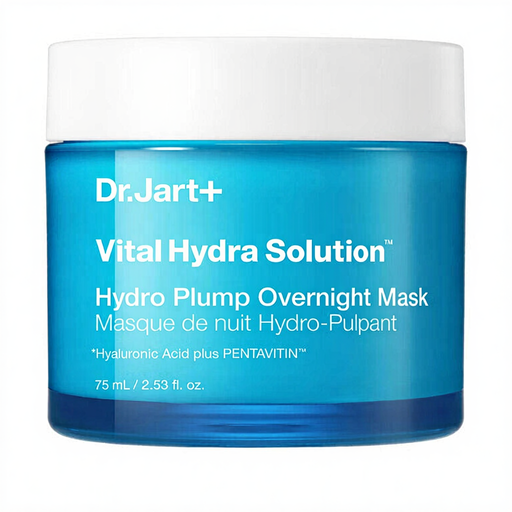
Why it suits this profile: This no-rinse overnight mask has a gel texture and contains glycerine, panthenol and sodium hyaluronate, among other ingredients. It suits an evening routine where convenience and a lightweight finish are important.
The instructions are clear: apply as the final step and do not rinse off. The product description also states that it has a fragrance-free formula.
75 ml of product, a gel texture, no rinsing required and hyaluronic acid in the ingredients list.
We have put together a complete, up-to-date list of products that fully meet these strict selection criteria and the applicable European safety regulations.
Follow the instructions on the packaging. Many sheet masks are designed for single use and are worn for approximately 15 to 20 minutes. A mask containing exfoliating ingredients, such as salicylic acid, requires more caution than a simple hydrating formula.
That depends on the formula and your skin. According to the packaging, a product with a simple hydrating base may be suitable for regular use, while a richer formula may be better suited to a few times a week. Start with a thin layer and stop using it if you experience redness, itching or a burning sensation.
Do not rely solely on the “soothing” label. Check for fragrance, limonene, essential oils, acids and other ingredients that you have reacted poorly to in the past. Carry out a patch test on a small area of skin and do not use the mask on damaged or irritated skin. If symptoms persist, seek advice from a doctor or dermatologist.
