
Same-day & Next-day Delivery

Quality Guaranteed

Unlock Your Welcome Offers: FREE Delivery | Up to 80% OFF | Free 30-day JoyPlus trial
Download the APP
Korean face masks come in many forms, from a hydrating sheet mask to a clay mask for a shiny T-zone or a sleeping mask for your evening routine. This wide choice is useful, but it can make comparisons more difficult. Eye-catching packaging or a term such as “glass skin” says little by itself about the ingredients, how to use the product or whether it is suitable for your skin.
The most common pitfalls:
A sheet mask is a pre-shaped sheet soaked in essence. Most varieties are left on for around 10 to 20 minutes. A hydrogel mask can be used for longer, for example for several hours or overnight, but always follow the instructions on the packaging.
A clay mask containing ingredients such as kaolin or bentonite is designed to absorb sebum and impurities from the skin’s surface. Use it mainly on the T-zone when that area of your skin is oilier. Do not leave clay on for longer than instructed and rinse it off gently.
A sleeping mask is usually a gel- or cream-like final step. It forms a nourishing layer over the rest of your routine. It does not automatically replace a day cream or serum, and it may not be suitable for daily use by everyone.
For hydration, you will often see glycerine, panthenol, betaine, hyaluronic acid or ceramides. These ingredients may suit skin that feels tight or dry, but the effect varies from person to person.
For a dull-looking complexion, ingredients such as niacinamide, rice extracts or vitamins are often used. According to the brand’s product information, these may help create a fresher-looking complexion; do not present this as guaranteed skin improvement.
For pores and blackheads, kaolin, bentonite, salicylic acid, glycolic acid and gluconolactone may be included. A combination of clay and acids requires extra care if you have sensitive skin. Test a new face mask on a small area of skin first.
Do not compare only the price per pack. Also consider:
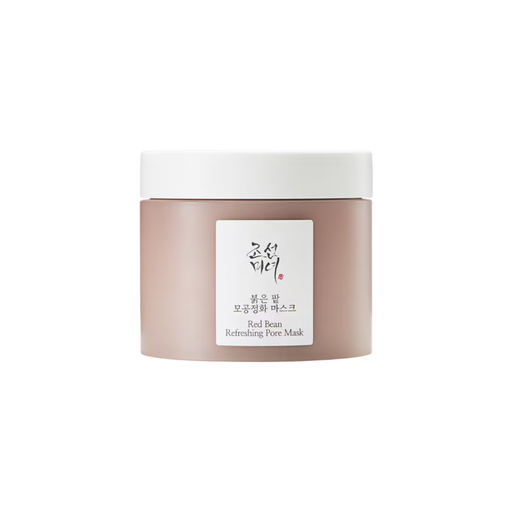
Why this suits the profile: This cream-coloured clay mask comes in a 140 ml tube and is practical for anyone wanting to try Korean skincare at their own pace. According to the product description, it contains kaolin, red bean powder and red bean extract.
The product information gives a clear recommended wear time of 5–10 minutes. This means you do not have to rely on vague instructions.
140 ml contents, kaolin and red bean ingredients; vegan and paraben-free according to the product details.

Why this suits the profile: The hydrogel texture is designed for a longer skincare session. The product description lists hyaluronic acid, panthenol and several ceramides.
The pack contains four individual masks, and the instructions specify 3–4 hours during the day or overnight use. This makes the recommended wear time clear.
Four 34g masks; hydrogel with hyaluronic acid and ceramide ingredients according to the product list.
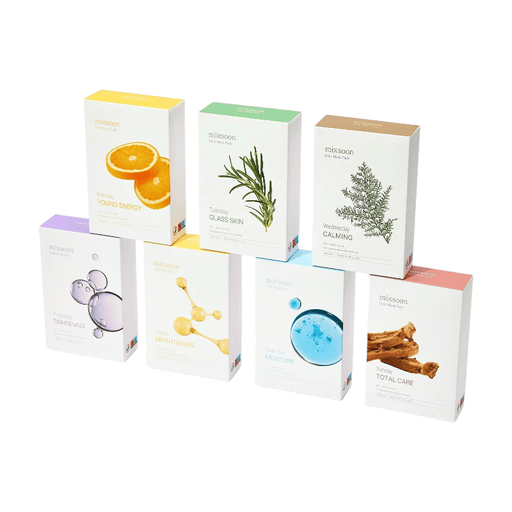
Why this suits the profile: This set contains ten 20 ml masks in different varieties, including options for soothing, hydration and a radiant-looking complexion.
The varieties are labelled by day, so you do not have to use one mask for every skin concern. The Thursday variety contains retinol; read the warnings carefully before use.
10 sheets of 20 ml; multiple formulas including niacinamide, panthenol and hyaluronic acid.
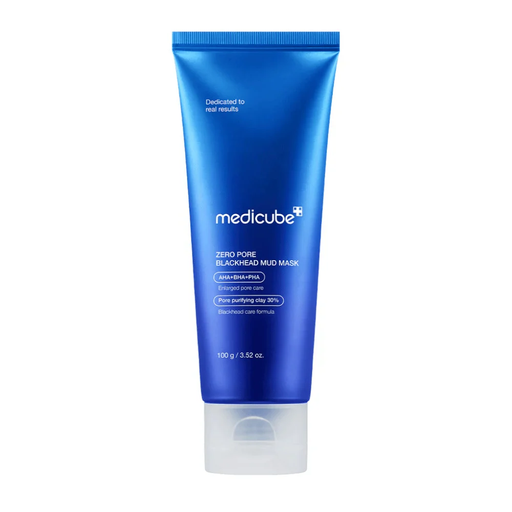
Why this suits the profile: This formula combines kaolin and bentonite with gluconolactone, salicylic acid and glycolic acid. This makes the ingredients list particularly relevant if you are specifically looking for a pore mask.
According to the product information, the recommended wear time is around 3 minutes. The warning about AHA, BHA, PHA and citrus oils makes it clear that a patch test is advisable.
Kaolin and bentonite; combination with AHA, BHA and PHA according to the ingredients list.
We have put together a complete, up-to-date list of products that fully meet these strict selection criteria and the applicable European safety regulations.
Cleanse your face before applying a mask. With a sheet mask, you can use toner first if that suits your routine. Smooth the mask over your face, do not leave it on for longer than stated on the packaging, and gently pat in any remaining essence.
Do not automatically apply a clay mask all over your face. If you have combination skin, applying it to your nose and forehead may be enough. Do not combine acids, retinol and other active products without first checking whether your skin can tolerate them. If you experience irritation, redness or a burning sensation, stop using the product and rinse it off. Do not apply masks to damaged skin.
That depends on the type. Some users may be able to use a hydrating sheet mask several times a week. A clay mask or mask containing acids is generally used once or twice a week, depending on your skin’s tolerance. Follow the product packaging and reduce the frequency if your skin feels tight or irritated.
Look for a short ingredients list and avoid new products containing lots of fragrance, essential oils or exfoliating acids if your skin is sensitive to them. A soothing face mask containing ingredients such as panthenol, betaine or centella may be a sensible choice, but always check the complete ingredients list. A patch test is still advisable.
An individually wrapped sheet mask should generally be used immediately after opening. For a tube, jar or sleeping mask, check the shelf life, the period-after-opening symbol and the advice on the packaging. Close the packaging securely after use and store the product in a dry place away from direct sunlight.
