
Vandaag of morgen in huis

Kwaliteit gegarandeerd

Welkomstaanbiedingen ontgrendelen: GRATIS bezorging | Tot 80% korting | Gratis 30 dagen JoyPlus-proefperiode
Download de app
A face mask from a Korean skincare routine can be a useful addition when your skin feels temporarily dry, tight or dull. However, a high concentration of essence is not automatically the right choice. The texture, ingredient list, wear time and packaging all play an equally important role in deciding whether a mask suits your routine.
As a Joybuy Product Recommendation Officer, I filter product information based on verifiable features. This helps you avoid relying solely on terms such as “glow”, “lifting” or “deep care” without considering the practical details.
Brands often use terms such as “anti-ageing”, “pore minimising” or “firming”. These are brand descriptions, not a guarantee of lasting results. In the brand’s own research involving 20 women, the group studied reported improvements in elasticity and appearance; the results do not automatically apply to every user.
Use these claims as a reason to examine the ingredients, rather than as a promise. A collagen mask, for example, may mainly make the surface of the skin look temporarily more hydrated and plump. It is not a substitute for medical treatment and does not change the skin’s structure in the same way for everyone.
A sheet mask is usually designed to be worn for a limited amount of time. Once the sheet dries out, it can start to feel uncomfortably tight. Follow the instructions on the packaging: some masks are suitable for 15–20 minutes, while certain hydrogel masks can be left on for 2–4 hours or overnight.
An overnight mask or jelly mask works differently from a classic sheet mask. Always check the product type and recommended wear time before applying it.
“Calming” does not mean that a product will be trouble-free for everyone. Check the full ingredient list, especially when looking for a face mask for sensitive skin. For example, the Dear, Klairs Midnight Blue Calming Sheet Mask is described as fragrance-free, but the listed ingredients do contain limonene. This is a fragrance allergen that may cause sensitivity in some users.
Test a new product on a small area of skin first, such as behind the ear or on the wrist. Do not use it on damaged, irritated or broken skin, and stop using it if you experience redness, itching, swelling or a burning sensation.
A brightening face mask with niacinamide or vitamin C may suit a dull-looking complexion. A hydrating mask with glycerine, hyaluronic acid, panthenol or ceramides is more likely to suit dry skin. These are product characteristics, not a guarantee of a particular result.
Check the full INCI list. Glycerine, betaine, panthenol and hyaluronic acid are commonly used in hydrating formulas. Ceramide NP, cholesterol and phytosphingosine are found in products focused on moisture retention and skin barrier care.
For a calming face mask, you may see ingredients such as centella asiatica, allantoin or dipotassium glycyrrhizate. In a clay mask, kaolin, bentonite, illite or montmorillonite are relevant ingredients to look out for.
Also check for potential fragrances and essential oils. Their presence does not automatically make a product unsuitable, but it is important information for people with sensitive skin.
A pack of ten sheet masks may work out cheaper per application than a single mask, but only if you use the product regularly. Therefore, compare:
A hydrogel mask that needs to be worn for 3–4 hours takes more time than a 10-minute sheet mask. That does not automatically make it more suitable; it depends on your routine.
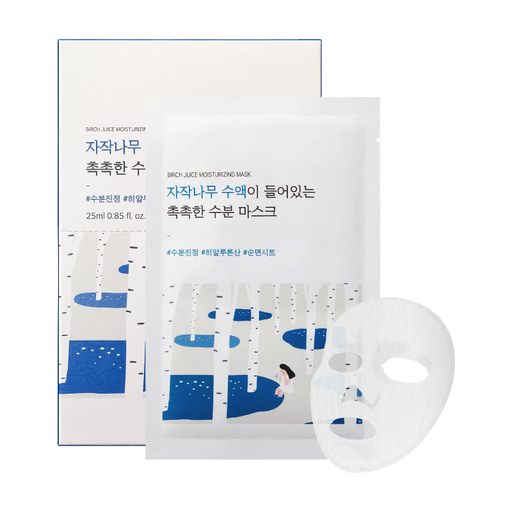
Why it suits this profile: A pack of 10 sheet masks is practical when you want to build up a Korean skincare routine gradually and compare the results of each use.
The product information states a 10-minute wear time. This makes it clearer when you should remove the mask.
10 masks per pack; contains glycerine, birch sap and sodium hyaluronate.

Why it suits this profile: The hydrogel structure and extended wear time suit a planned evening routine focused on intensive hydration.
The instructions specify 3–4 hours during the day or overnight use. You do not have to estimate the wear time yourself.
4 hydrogel masks; contains panthenol, several forms of hyaluronic acid and ceramides.
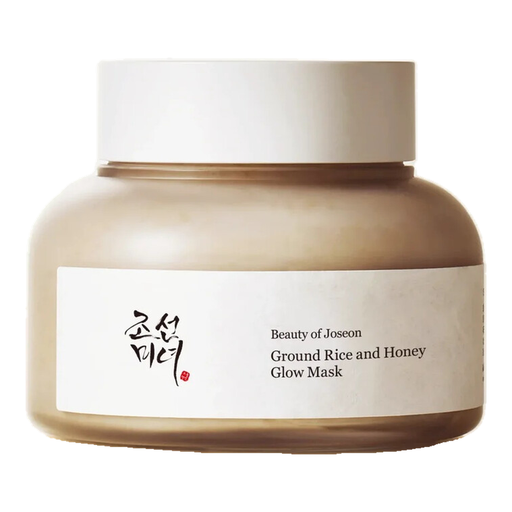
Why it suits this profile: This wash-off mask is suitable for users who want to combine hydration, pore care and gentle exfoliation in one routine.
The instructions specify 15–20 minutes followed by rinsing with lukewarm water. The presence of kaolin and rice powder makes the purpose of the texture clear.
150 ml contents; kaolin, honey and rice powder in the ingredient list.
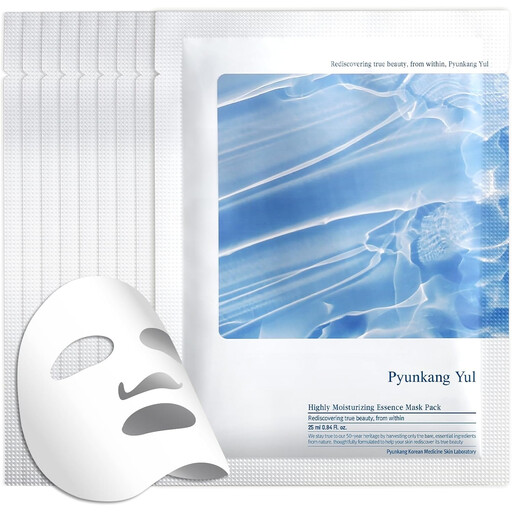
Why it suits this profile: A sheet mask with a hydrating essence is suitable for a simple evening skincare routine when your main aim is to add moisture.
The product description identifies it as a sheet mask with a deeply hydrating essence. This makes it clear that it is not a clay or wash-off mask.
According to the product information, it contains five types of hyaluronic acid, ceramide NP and panthenol.
We have put together a complete, up-to-date list of products that fully meet these strict selection criteria and the applicable European safety regulations.
You will generally use a clay mask less often than a simple hydrating mask. A sheet mask can form part of a weekly routine, while an overnight mask may, according to the product description, be used two to three times a week.
That depends on the formula. A hydrating sheet mask may be suitable for use several times a week according to the packaging, while a clay mask or formula containing retinol may be better used less often. Always follow the instructions for the specific product and pay attention to how your skin responds.
A sheet mask usually consists of a fabric sheet soaked in essence and worn for a short time. A hydrogel mask has a gel texture that often fits closely to the skin and may be left on for longer. The wear time and application method vary by product, so check the label.
Look for a short ingredient list and check for fragrances, essential oils and active ingredients you have not used before. Centella asiatica, panthenol and allantoin are found in various formulas described as calming. Test the product on a small area of skin first and do not use the mask on irritated or damaged skin.
