
Same-day & Next-day Delivery

Quality Guaranteed

Unlock Your Welcome Offers: FREE Delivery | Up to 80% OFF | Free 30-day JoyPlus trial
Download the APP
A face mask from a Korean skincare routine can be a useful addition to your daily skincare. However, not every Korean face mask is suitable for every skin type or occasion. A low price, eye-catching packaging or promise of glowing skin says little on its own about the formula or ease of use.
Pay particular attention to the ingredients, mask type and warnings on the packaging. This helps you avoid buying a hydrating face mask when you actually want to cleanse your pores, or choosing a heavily fragranced product for sensitive skin.
Words such as “glow”, “firming” and “anti-ageing” generally describe a product’s purpose or positioning. They are not a guarantee of a lasting effect. According to some brands’ own research, for example, users may experience increased hydration or elasticity, but such results do not automatically apply to everyone.
Instead, look for verifiable information:
Collagen, niacinamide, hyaluronic acid and centella asiatica are common in Korean skincare. However, the presence of one ingredient does not determine the product’s overall performance or suitability. The rest of the formula, the concentration and your own skin tolerance also play a part.
A collagen mask, for example, may suit a skincare routine aimed at skin that feels fuller. That does not automatically mean it will remove fine lines. For claims of this kind, use the product information as your guide rather than treating it as a medical promise.
A sheet mask designed to be worn for 10 to 20 minutes should not routinely be left on overnight. Hydrogel masks, on the other hand, may be used for several hours, until the material becomes more transparent. A clay mask works differently and generally needs to be rinsed off before it dries completely.
A sheet mask consists of a pre-shaped sheet soaked in essence. It is practical for a short skincare session and is usually disposed of after use. Rayon, cellulose and biocellulose sheets can feel different and fit the face in different ways.
A hydrogel mask is often thicker and fits closely to the skin. Some varieties, such as collagen masks, are designed to be used for two to four hours or overnight. Always check the product instructions.
A clay mask is designed to absorb sebum and cleanse the skin’s surface. Kaolin, bentonite and other types of clay are common in a pore-cleansing mask. If you have dry or sensitive skin, do not leave the product on for too long and, where the instructions allow, consider applying it only to specific areas.
Before using a new product, carry out a patch test on a small area of skin. Stop if you experience a burning sensation, rash, swelling or persistent irritation. Do not use a mask on damaged skin and avoid contact with the eyes.
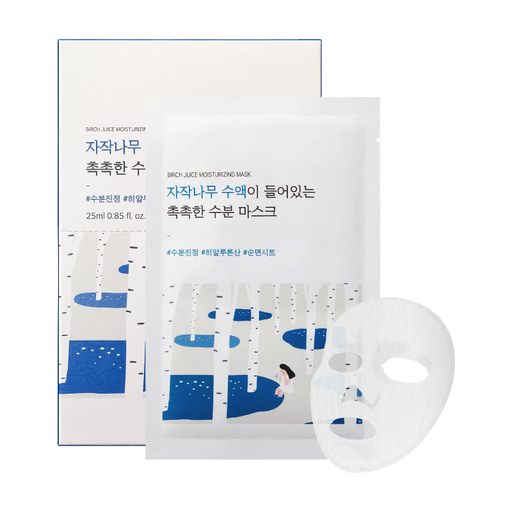
Why it suits this profile: A pack containing 10 individual sheet masks is a practical way to try Korean skincare at your own pace and compare the cost per use. The recommended application time is 10 minutes.
The product information states a clear application time, a volume of 25 ml per mask and the full ingredients list.
Contains glycerin, birch sap and sodium hyaluronate; 10 individually packaged masks.
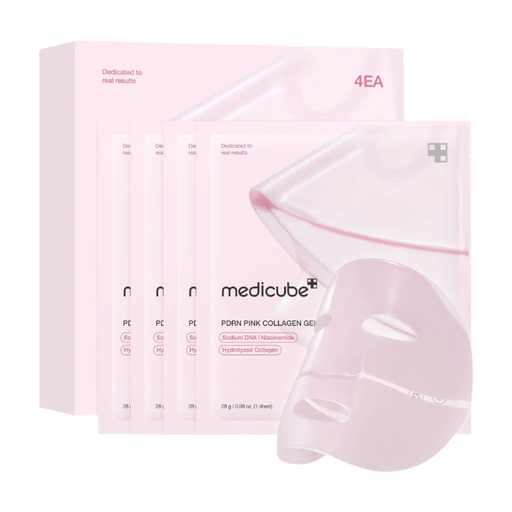
Why it suits this profile: This gel mask is designed as an intensive weekly treatment. According to the product instructions, the gel becomes more transparent while you wear it.
The packaging recommends a patch test and advises against using the product on damaged skin. This clearly defines how it should be used.
Contains hydrolysed collagen, niacinamide, adenosine and several peptides; 4 gel masks per pack.
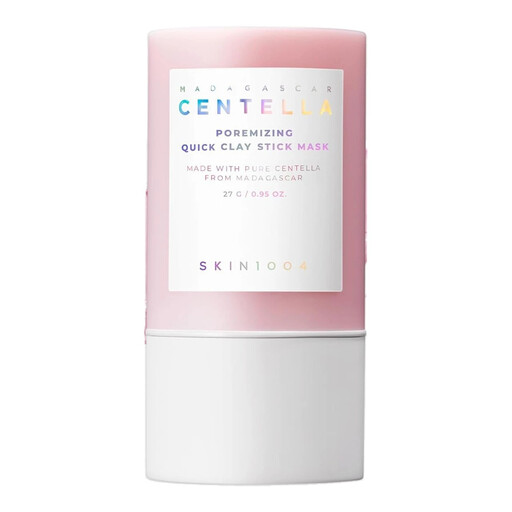
Why it suits this profile: The stick format is ideal if you want to apply a clay mask precisely, for example to the T-zone, without spreading the product with your hands.
The application time is short: the product information states 3 to 5 minutes. The product should then be rinsed off with lukewarm water.
Contains kaolin, bentonite, illite and centella asiatica; compact 27-gram stick.
We have put together a complete, up-to-date list of products that fully meet these strict selection criteria and the applicable European safety regulations.
Do not automatically use a mask every day. A simple hydrating face mask may suit some routines for more frequent use, while a clay mask or formula containing AHA, BHA, PHA, retinol or fragrance requires more care. The product packaging remains the definitive guide.
That depends on the type. A sheet mask is often intended for single use and may be applied several times a week according to the packaging. A clay mask or mask containing exfoliating acids is generally used less frequently. Start gradually and pay attention to how your skin reacts.
Look for a short, easy-to-understand ingredients list and avoid ingredients that have caused you sensitivity in the past. Fragrance, limonene, linalool, citrus oils and tea tree oil may not suit some users. A face mask for sensitive skin is not automatically suitable for everyone, so carry out a patch test first.
Check the expiry date and batch number on the packaging. Store unopened masks in a cool, dry place away from direct sunlight. An opened jar, such as a gel or clay mask, should be closed properly to help prevent drying out and contamination. Do not use a mask if its smell, colour or texture has clearly changed.
