
Vandaag of morgen in huis

Kwaliteit gegarandeerd

Welkomstaanbiedingen ontgrendelen: GRATIS bezorging | Tot 80% korting | Gratis 30 dagen JoyPlus-proefperiode
Download de app
A Korean sheet mask can be an easy addition to your skincare routine. However, it is unwise to rely solely on terms such as “glow”, “lifting” or “collagen”. The formula, wear time, ingredient list and packaging are far more important in determining whether a mask is right for you.
A mask containing numerous extracts, peptides and different types of hyaluronic acid may seem appealing. However, more ingredients also mean more potential triggers for sensitive skin. Always check whether the formula contains fragrance, essential oils or known fragrance allergens such as limonene and linalool.
A face mask for sensitive skin is not necessarily free from every potentially irritating ingredient. Even products described as suitable for sensitive skin should be patch-tested the first time you use them.
Terms such as “anti-ageing”, “reduces the appearance of pores” and “repairs the skin barrier” often describe a brand’s positioning rather than a guaranteed result for every user. For example, according to the brand’s own research, 100% of participants in a study involving 20 women reported a brighter complexion and a firmer-feeling skin after using a specific mask. This is information about that test group, not a guarantee for every consumer.
Also pay attention to the difference between temporarily hydrated-feeling skin and a lasting change. A hydrating face mask can leave your skin feeling soft and supple after use, but it does not replace daily skincare or sun protection.
A classic sheet mask is usually worn for 10 to 20 minutes. Hydrogel masks or overnight masks often have a longer recommended wear time. A product that becomes transparent after several hours is less suitable if you want to get ready quickly for work or an appointment.
Do not leave a mask on for longer than stated on the packaging. Essence that dries completely can actually feel uncomfortable.
Start with your goal, then look at the ingredients:
A Centella face mask may be appealing if you are mainly looking for a comfortable, conditioning mask. However, check the full ingredients list: some products combine Centella with fragrance or essential oils.
A sheet mask should make sufficient contact with the skin. A mask that is too large or poorly cut may lift around the nose, chin and jawline, resulting in the essence being distributed less evenly.
There are several materials:
Also check whether the mask consists of one or two pieces. A two-piece hydrogel mask can be easier to position around the nose and jawline.
Do not compare the price of the packaging alone. Calculate the price per mask. A pack of ten sheet masks is convenient for regular use, while a hydrogel mask containing three or four pieces may be more suitable as a weekly treatment.
For tubs and daily masks, pay attention to hygienic use and make sure the packaging is properly sealed. Individually wrapped masks are more practical for travel and prevent the remaining masks from drying out.
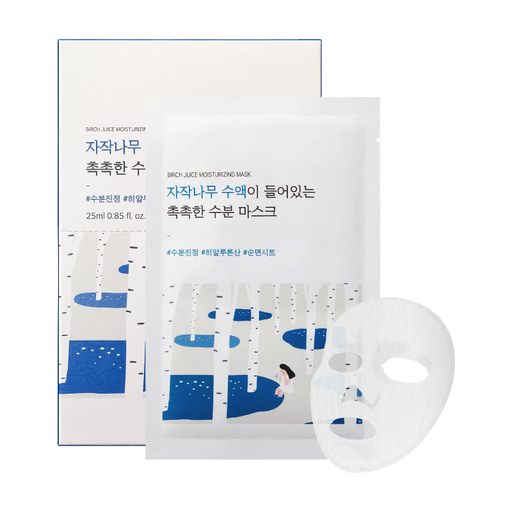
Why it suits this profile: A pack containing 10 individual sheet masks makes it easy to try Korean skincare regularly without committing straight away to a longer treatment.
The product information states that each mask contains 25 ml of essence, has a 10-minute wear time and comes with a clear ingredients list. This makes it easy to assess the usage and quantity in advance.
10 pieces per pack; glycerine, sodium hyaluronate and allantoin are included in the ingredients list.

Why it suits this profile: This hydrogel mask is designed for anyone looking for a longer treatment and a formula containing moisture-binding and barrier-supporting ingredients.
The recommended wear time of 3 to 4 hours or overnight is clearly stated. You are therefore not buying this as a quick 10-minute mask, but as a planned intensive treatment.
4 hydrogel masks; the ingredients list contains panthenol, several forms of hyaluronic acid and different ceramides.
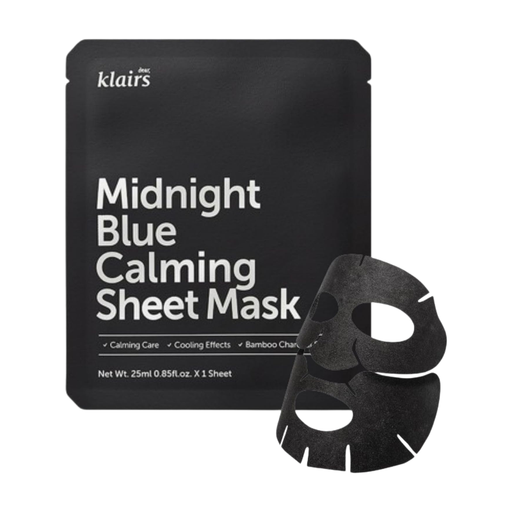
Why it suits this profile: A practical option for anyone mainly looking for a soothing face mask after a busy day and who is sensitive to artificial fragrances.
The description states that there are no artificial colourants or fragrances. However, check the full list: limonene is listed, and tea tree oil may be a consideration for some users.
10 masks of 25 ml; rayon sheet; Centella asiatica, erythritol and allantoin in the formula; recommended wear time of 15 to 20 minutes.
We have put together a complete, up-to-date list of products that fully meet these strict selection criteria and the applicable European safety regulations.
Do not reuse a single-use mask. If you have sensitive skin, patch-testing is advisable. Do not apply the product to damaged or irritated skin.
That depends on the product. According to the instructions, a basic sheet mask can be used several times a week, while an intensive hydrogel or collagen mask is often intended for one or two treatments per week. Always follow the product packaging and pay attention to how your skin reacts.
A sheet mask is usually made from a fibre-based sheet soaked in essence. A hydrogel mask has a gel texture and often fits closely to the skin. It may therefore remain in place for longer, but it is not automatically more suitable for every skin type. The wear time and ingredients list are the deciding factors.
Some formulas are designed for sensitive skin, but always check for fragrance, essential oils, limonene and linalool. Centella, panthenol and allantoin may suit a simple soothing routine, but individual reactions vary. Test a new product on a small area of skin first and stop using it if irritation occurs.
