
当日/次日达

品质保障

开启新人专享福利: 全场免邮 | 低至 2 折 | 免费试用 30 天 JoyPlus 会员
下载 Joybuy
Buying a face mask sounds simple: choose attractive packaging, look for popular ingredients and add the product to your basket. However, Korean face masks vary considerably in material, wear time, skin feel and amount of essence. The wrong choice can therefore lead to wasted money, a poorly fitting sheet mask or a formula that does not suit your skin.
This guide helps you translate marketing language into verifiable product information. You will discover what to look for in a hydrating face mask, a soothing face mask, a hydrogel mask or a mask for dry and sensitive skin.
Ingredients such as collagen, niacinamide, centella asiatica, hyaluronic acid and PDRN frequently feature in Korean skincare. However, their presence does not tell you everything. Also check the full ingredients list, where an ingredient appears in that list and whether it contains potential fragrances or essential oils.
For example, a mask for sensitive skin may be fragrance-free yet still contain other ingredients that your skin does not tolerate well. The Dear, Klairs Midnight Blue Calming Sheet Mask, for instance, states that it is free from artificial fragrances and colourants, but the ingredients list does include tea tree oil and limonene. This is relevant information for people with reactive skin.
Brands sometimes describe their products using terms such as ‘glass skin’, ‘firming’ or ‘for redness’. Treat these words as a description of the intended use, not as a guaranteed result. According to the brand’s own research, 100% of the 20 participants reported a more radiant complexion and an immediately firmer skin feel with certain masks. This was brand research involving a limited group and is not a guarantee for every user.
For cosmetic skincare, it is better to focus on specific information: the mask type, recommended wear time, number of masks, ingredients and frequency of use.
A classic sheet mask is usually worn for around 10 to 20 minutes. Some hydrogel masks are designed to be worn for two to three hours or even left on overnight. This can be ideal for a relaxed evening ritual, but less practical if you want to finish your morning routine quickly.
Do not automatically leave a mask on for longer than stated on the packaging. A dried-out sheet mask can actually feel uncomfortable. Stop if you experience burning, itching, swelling or obvious irritation, and follow the safety instructions on the packaging.
For dry skin, glycerine, panthenol, ceramides and various forms of hyaluronic acid are commonly used hydrating ingredients. Centella asiatica, allantoin and dipotassium glycyrrhizate are often used in formulas designed to provide a comfortable skin feel.
If you are looking for a collagen mask or firming mask, look out for collagen, adenosine and peptides. Do not expect medical effects or a guaranteed change in skin structure. These products provide cosmetic care and a temporary feeling of softness, hydration or suppleness.
A pack of ten masks may look good value, but always compare the price per mask. The reference products range from one individual mask to packs containing three, four, five, ten or even 21 masks. An individual mask is useful for trying a product first. A multipack is better suited to a regular weekly routine.
Also check the net contents. A 25 ml mask does not automatically contain more usable essence than a 34-gram hydrogel mask. The texture and material determine how much product remains on the skin.
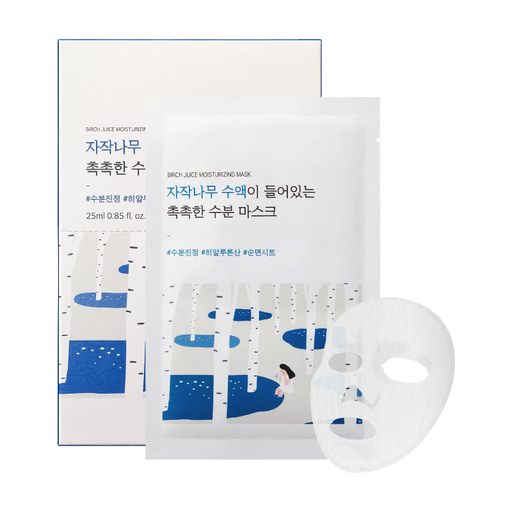
Why it suits this profile: A pack of 10 sheet masks is practical for anyone who wants to use a hydrating face mask regularly without buying several different types straight away.
The product information states 25 ml per sheet, 10 masks per pack and a recommended wear time of 10 minutes. This makes the price and usage easy to compare.
Contains, among other ingredients, glycerine, sodium hyaluronate and allantoin; 10 individual masks for a regular routine.
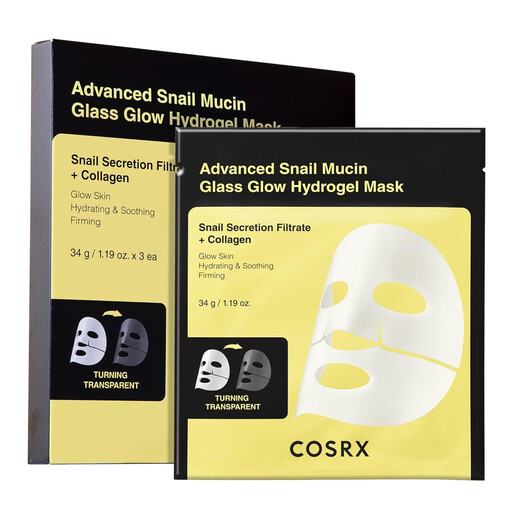
Why it suits this profile: A hydrogel mask with a longer wear time for users who enjoy a more extensive evening ritual.
The instructions specify two to three hours or, if preferred, overnight. You therefore do not have to guess how long the mask is designed to stay on.
According to the ingredients list, contains snail secretion filtrate, niacinamide, hyaluronic acid and ceramides, among other ingredients; pack of 3 masks.
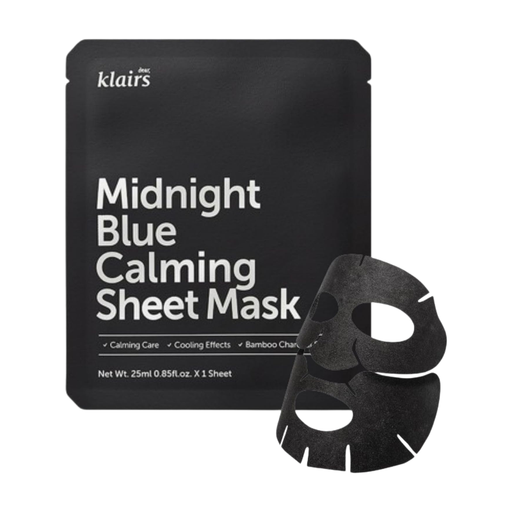
Why it suits this profile: Designed for users looking for a cooling and comfortable sheet mask for skin that quickly feels tight or is prone to redness.
The product description states that the formula is fragrance-free, but the ingredients list does contain tea tree oil and limonene. This allows you to weigh up the information carefully if you have sensitive skin.
Rayon sheet, 25 ml per mask, 10 masks per pack and a recommended wear time of 15 to 20 minutes.
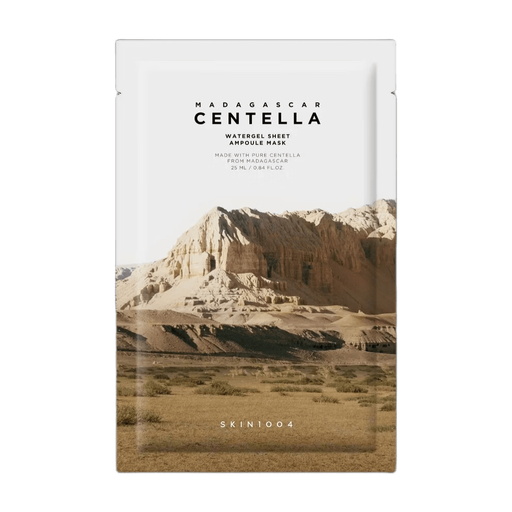
Why it suits this profile: An individual hydrogel mask is ideal for trying a product before committing to a multipack.
You are not committing to a large pack straight away. The instructions state a wear time of 10 to 20 minutes and advise against reusing the mask.
Individual 25 ml portion; ingredients list featuring centella asiatica, glycerine and several forms of hyaluronic acid.
We have put together a complete, up-to-date list of products that fully meet these strict selection criteria and the applicable European safety regulations.
A mask for redness or a soothing face mask can provide a pleasant temporary skin feel, but it is not a substitute for treatment of persistent skin problems. Stop using the product if irritation occurs and, if in doubt, seek advice from a doctor or dermatologist.
This depends on the product and your skin. Many hydrating sheet masks are designed for regular use as directed on the packaging. Intensive formulas containing, for example, PHA, such as the SOME BY MI PDRN Spirulina Soothing Sherbet Mask, specify use once or twice a week. Always follow the product instructions.
A classic sheet mask is often left on for 10 to 20 minutes. According to the product information, hydrogel masks such as Advanced Snail Mucin Glass Glow can be worn for two to three hours or, if preferred, overnight. Leaving a mask on for longer is only advisable if the manufacturer explicitly states that this is suitable.
Calculate the price by dividing the selling price by the number of masks. Then also compare the contents, mask type and recommended frequency of use. A multipack may work out cheaper per treatment, while an individual mask is useful for assessing a formula first.
