
Same-day & Next-day Delivery

Quality Guaranteed

Unlock Your Welcome Offers: FREE Delivery | Up to 80% OFF | Free 30-day JoyPlus trial
Download the APP
Korean face masks come in many forms, from a simple sheet mask for ten minutes to a hydrogel face mask designed to stay on for hours. This wide choice does not always make selecting the right product easier. Packaging covered in terms such as “glow”, collagen or intensive care says little by itself about whether a product suits your skin and routine.
Pay particular attention to three common pitfalls:
A sheet mask is a fabric sheet soaked in essence. It is practical for a short skincare session and is normally removed after the stated time. A hydrogel version often fits the face closely and can feel richer and cooler.
An overnight mask or sleeping pack usually has a gel or cream-like texture. Apply it as the final step and leave it on while you sleep, following the product description. Examples include Ultimate Nourishing Rice Spa Overnight Mask and SKIN1004 Madagascar Centella Hyalu-Cica Sleeping Mask.
A powder mask, such as SOME BY MI PDRN Spirulina Soothing Sherbet Mask, requires more preparation: the powder must first be mixed with water. This can be useful if you want a separate weekly skincare session, but it is less suitable for a quick routine.
For a hydrating face mask, you will often see glycerine, betaine, panthenol and different forms of hyaluronic acid. According to the product description, the Pyunkang Yul Highly Moisturizing Essence Mask contains five types of hyaluronic acid, ceramide NP and panthenol.
If you are looking for a face mask for dry skin, you can also look for soothing and moisture-retaining ingredients, such as ceramides, oils or a richer essence. A face mask for sensitive skin requires particular attention to fragrance, essential oils, exfoliating acids and potential allergens.
Centella Asiatica is often used in formulas designed to provide a comfortable, calming skin feel. However, claims about redness, recovery or improved skin barrier function are not established medical effects. According to SKIN1004’s product description, Centella Asiatica is intended as part of a hydrating and soothing formula; results may vary from person to person.
A 60 or 90 g jar may seem good value at first glance, but the cost per use depends on how much you apply. With sheet masks, the calculation is simpler: divide the price by the number of sheets. A pack of 30 daily masks is practical for regular use, while a set of four hydrogel masks is more suited to an intensive weekly treatment.
Also check whether a mask is for single use. Used sheet and hydrogel masks should generally be thrown away. Pay attention to the expiry information, batch number and storage advice on the packaging. This information is more important than a striking marketing term on the front.
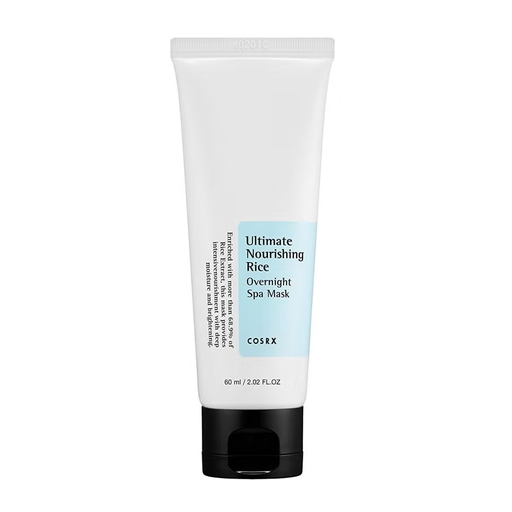
Why it suits this profile: The multifunctional texture can be used as an overnight mask, rinse-off mask or moisturiser, allowing you to try different routines with one product.
The product description lists several ways to use it and states that it contains 60 g. This allows you to adjust the amount to suit your routine instead of focusing solely on claims about glow.
According to the ingredients list, it contains rice extract, glycerine, niacinamide and allantoin; the formula is described as alcohol-free and free from mineral oil.

Why it suits this profile: The hydrogel format and pack of four are well suited to a skincare session where a rich, long-lasting application is desired.
The instructions specify a long wear time and warn against using it on damaged skin. This makes the application clearer than a general promise of intensive results.
According to the product information, it contains hyaluronic acid, panthenol, ceramides and cholesterol; the pack contains four 34 g masks.
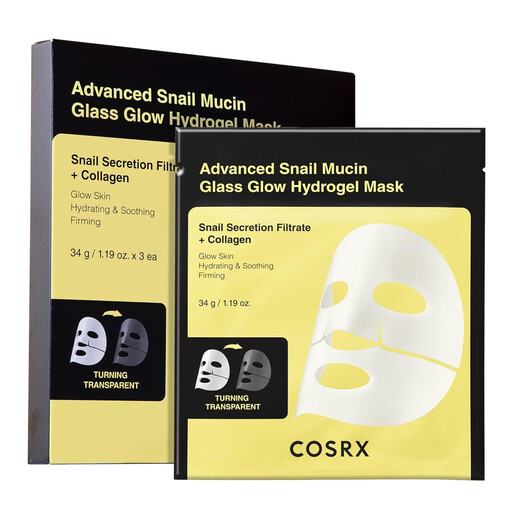
Why it suits this profile: According to the instructions, the hydrogel can be worn for two to three hours or overnight. This suits users who want to set aside time for an intensive session.
The mask’s change to transparency is a practical usage indicator, but it does not replace the stated wear time or a patch test.
According to the ingredients list, it contains snail secretion filtrate, niacinamide, ceramides, panthenol and several forms of hyaluronic acid.
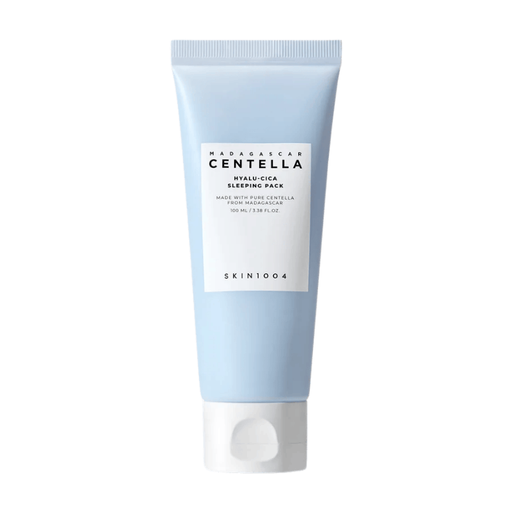
Why it suits this profile: According to the product description, the lightweight gel texture is applied in a thin layer and is not rinsed off.
The evening instructions are simple and specific. Still, check the full ingredients list, particularly if your skin reacts sensitively to botanical extracts.
According to the product information, it contains Centella Asiatica, several forms of hyaluronic acid, panthenol, niacinamide and ceramide NP.
We have put together a complete, up-to-date list of products that fully meet these strict selection criteria and the applicable European safety regulations.
The same principle applies to a collagen face mask: collagen in a cosmetic formula is not a guarantee of a particular skin result. Look at the full ingredients list, wear time and packaging. With a formula containing fragrance, essential oils, PHA, vitamin C or other active ingredients, extra care is advisable if you have sensitive skin.
It varies from product to product. Sheet masks are often used for 10 to 20 minutes. According to the product instructions, some hydrogel masks are suitable for several hours or overnight. Always follow the packaging; leaving a mask on for longer is not automatically more effective.
A hydrating sheet mask may be suitable for regular use, provided your skin tolerates the formula well. Intensive hydrogel or exfoliating masks are often used once or a few times a week. If irritation occurs, stop using the product and allow your skin to settle first.
For dry skin, look for glycerine, panthenol, hyaluronic acid and ceramides. For sensitive skin, a short ingredients list without fragrance or essential oils is often a practical starting point. Also always check the current packaging, as formulations and usage advice may change.
