
Same-day & Next-day Delivery

Quality Guaranteed

Unlock Your Welcome Offers: FREE Delivery | Up to 80% OFF | Free 30-day JoyPlus trial
Download the APP
A Korean sheet mask, hydrogel mask or overnight face mask can be a welcome addition to your routine. But it’s easy to end up paying for marketing claims rather than a product that really suits your skin and how you want to use it. So don’t just look for terms such as “glow”, “collagen” or “glass skin”. Pay particular attention to the ingredients list, how long to wear it and how to use the mask.
A product with lots of active ingredients isn’t automatically right for your skin. Niacinamide, fragrances, citrus oils, acids and retinol, for example, may be less suitable for sensitive skin. Check the full ingredients list and test any new product on a small area of skin first.
In a cosmetic product, collagen often refers to collagen extract or hydrolysed collagen in the formula. According to the brand’s product description, it may help leave skin feeling cared for and hydrated. It’s not a reason to expect medical or structural effects. So choose a collagen face mask mainly for its texture, hydration and when you plan to use it.
Don’t routinely leave on a sheet mask designed to be worn for 15 to 20 minutes for hours. Some hydrogel masks are specifically designed to be worn for 2 to 4 hours or used as an overnight face mask. Always follow the instructions on the packaging. Stop using it if you experience a burning sensation, itching or redness.
For dry or dull skin, glycerine, panthenol, hyaluronic acid, betaine and ceramides are useful ingredients to compare. If you’re looking for a face mask for radiant-looking skin, you could look for ingredients such as niacinamide, although results vary from person to person.
Clay, salicylic acid, glycolic acid and gluconolactone are often used for pores and blackheads. A face mask for blackheads isn’t a substitute for a tailored skincare routine. Acids and citrus essential oils may cause extra irritation for sensitive skin; Medicube, for example, notes this in the information for its Zero Pore Blackhead Mud Mask.
A box of 10 sheets is handy if you use a mask regularly. A hydrogel mask sold in packs of 3 or 4 is a better fit if you want to plan a more intensive treatment from time to time. Check the expiry date and any period-after-opening guidance on the packaging. Store opened products in a cool, dry place away from direct sunlight.
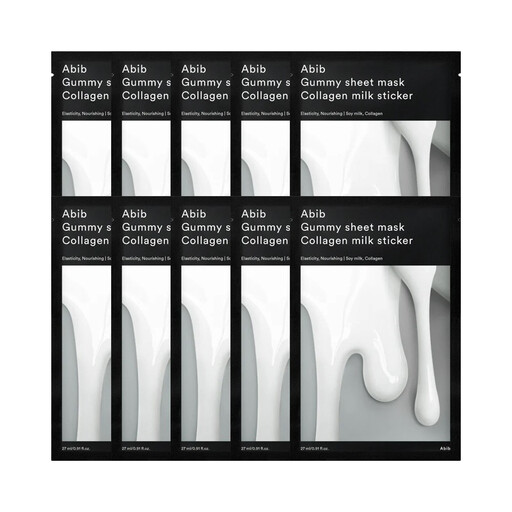
Why it suits this profile: A pack of 10 individual sheet masks is a practical choice if you want to try Korean skincare at your own pace without buying several different types straight away.
The size and variant are clearly stated: 27 ml per sheet, 10 sheets and Collagen Milk. This lets you compare the quantity rather than relying on marketing terms alone.
Sheet format for easy application; 10 individual masks for multiple uses.
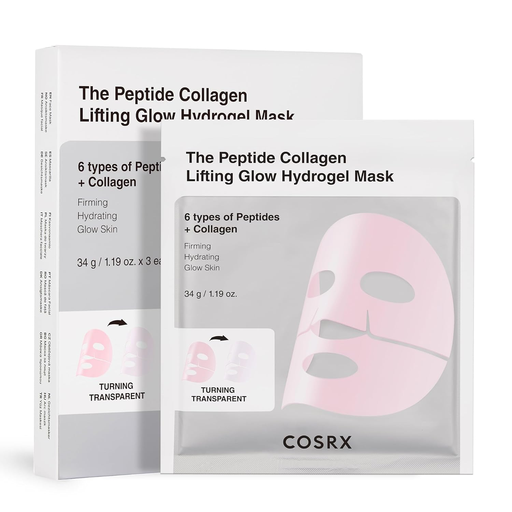
Why it suits this profile: A good choice if you want to compare ingredients and wear times carefully, and are happy to use a more intensive hydrogel mask.
The instructions recommend wearing it for 2 to 3 hours or removing it once the mask turns transparent. That means you don’t have to guess how long to leave it on.
According to the product listing, it contains peptides, hyaluronic acid, ceramides and collagen; 3 masks of 34 g.
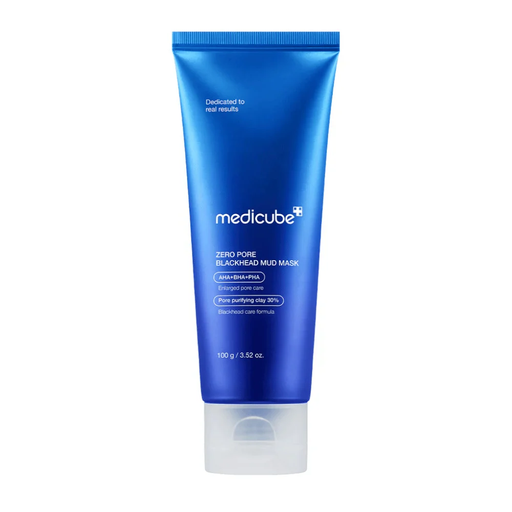
Why it suits this profile: A targeted option if you mainly want to care for your T-zone, visible pores or blackheads with a clay face mask.
The recommended use time is specific: around 3 minutes, followed by rinsing. The product information also warns that AHA, BHA, PHA and citrus oils may cause irritation.
Contains kaolin and bentonite, as well as salicylic acid, glycolic acid and gluconolactone, according to the listed ingredients.
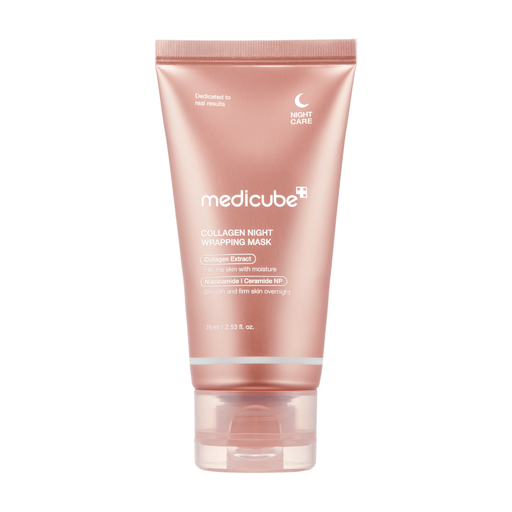
Why it suits this profile: Handy if you prefer using a jar rather than individual sheets and want to make a mask a regular part of your evening routine.
The instructions give a clear frequency of 2 to 3 times a week and say that the layer can be removed or rinsed off in the morning.
75 ml; according to the product information, it contains glycerine, niacinamide, hyaluronic acid, ceramide NP and collagen extract, among other ingredients.
We’ve put together a complete, up-to-date list of products that meet these strict selection criteria and the applicable European safety requirements.
Don’t assume a clay mask is suitable for daily use. Take extra care with products containing acids, retinol or fragrance. Avoid using them on damaged or irritated skin, and stop if your skin reacts uncomfortably.
It depends on the type. Some people may be able to use a hydrating face mask without strong exfoliating ingredients several times a week. Use a clay mask or a mask containing AHA, BHA, PHA or retinol according to the label and your skin’s tolerance.
Only if the product instructions say you can. Biodance and some overnight masks recommend a longer wear time or overnight use. A standard sheet mask isn’t necessarily designed for this.
Look for hydrating ingredients such as glycerine, hyaluronic acid, panthenol, betaine and ceramides. A hydrogel mask or a richer sheet mask may be a practical option. Always check the full ingredients list, especially if your skin is sensitive to fragrance or certain plant extracts.
